Sample Letter To Collect Judgement Without Judgement In Palm Beach
Description




Get your form ready online
Our built-in tools help you complete, sign, share, and store your documents in one place.
Make edits, fill in missing information, and update formatting in US Legal Forms—just like you would in MS Word.
Download a copy, print it, send it by email, or mail it via USPS—whatever works best for your next step.
Sign and collect signatures with our SignNow integration. Send to multiple recipients, set reminders, and more. Go Premium to unlock E-Sign.
If this form requires notarization, complete it online through a secure video call—no need to meet a notary in person or wait for an appointment.
We protect your documents and personal data by following strict security and privacy standards.

Make edits, fill in missing information, and update formatting in US Legal Forms—just like you would in MS Word.

Download a copy, print it, send it by email, or mail it via USPS—whatever works best for your next step.

Sign and collect signatures with our SignNow integration. Send to multiple recipients, set reminders, and more. Go Premium to unlock E-Sign.

If this form requires notarization, complete it online through a secure video call—no need to meet a notary in person or wait for an appointment.

We protect your documents and personal data by following strict security and privacy standards.
Looking for another form?





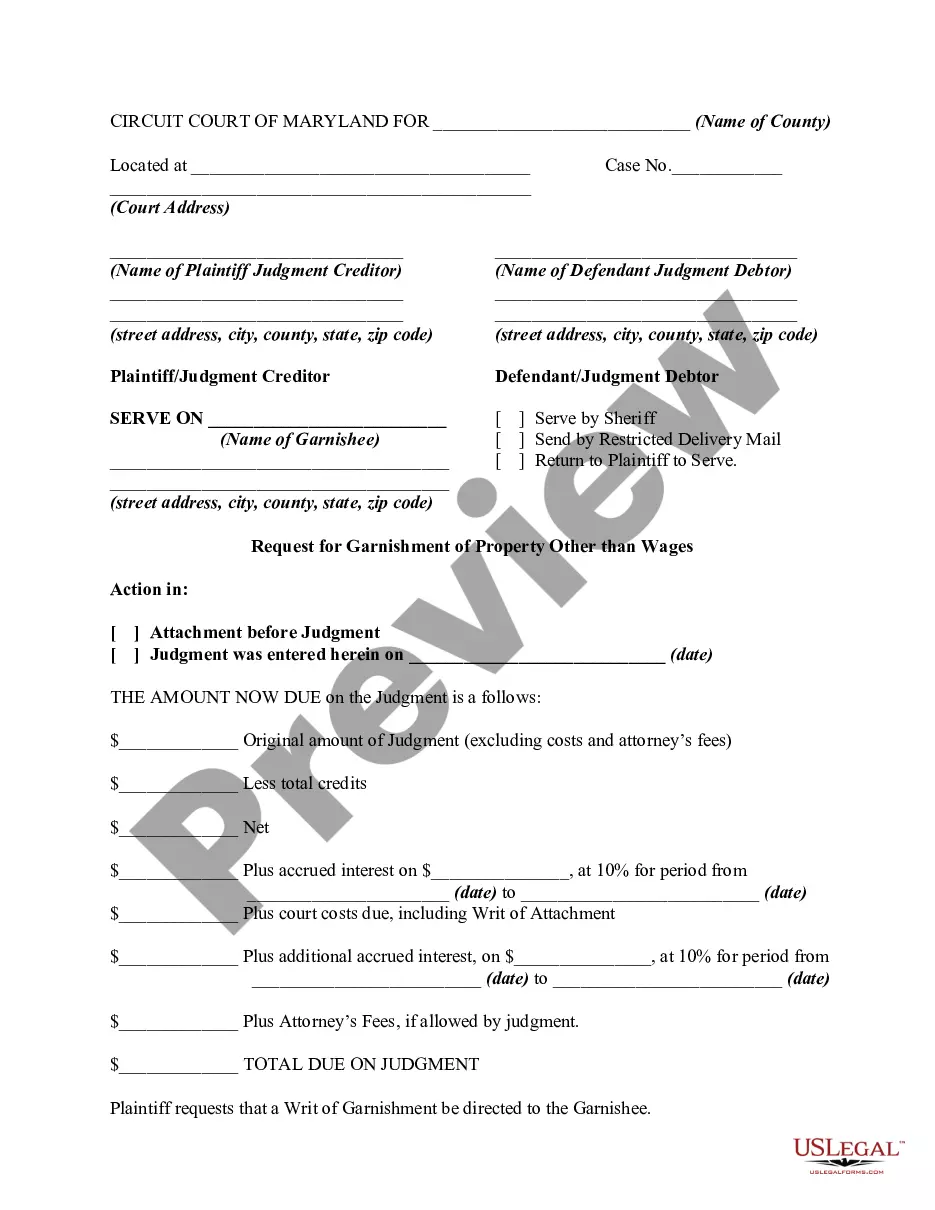
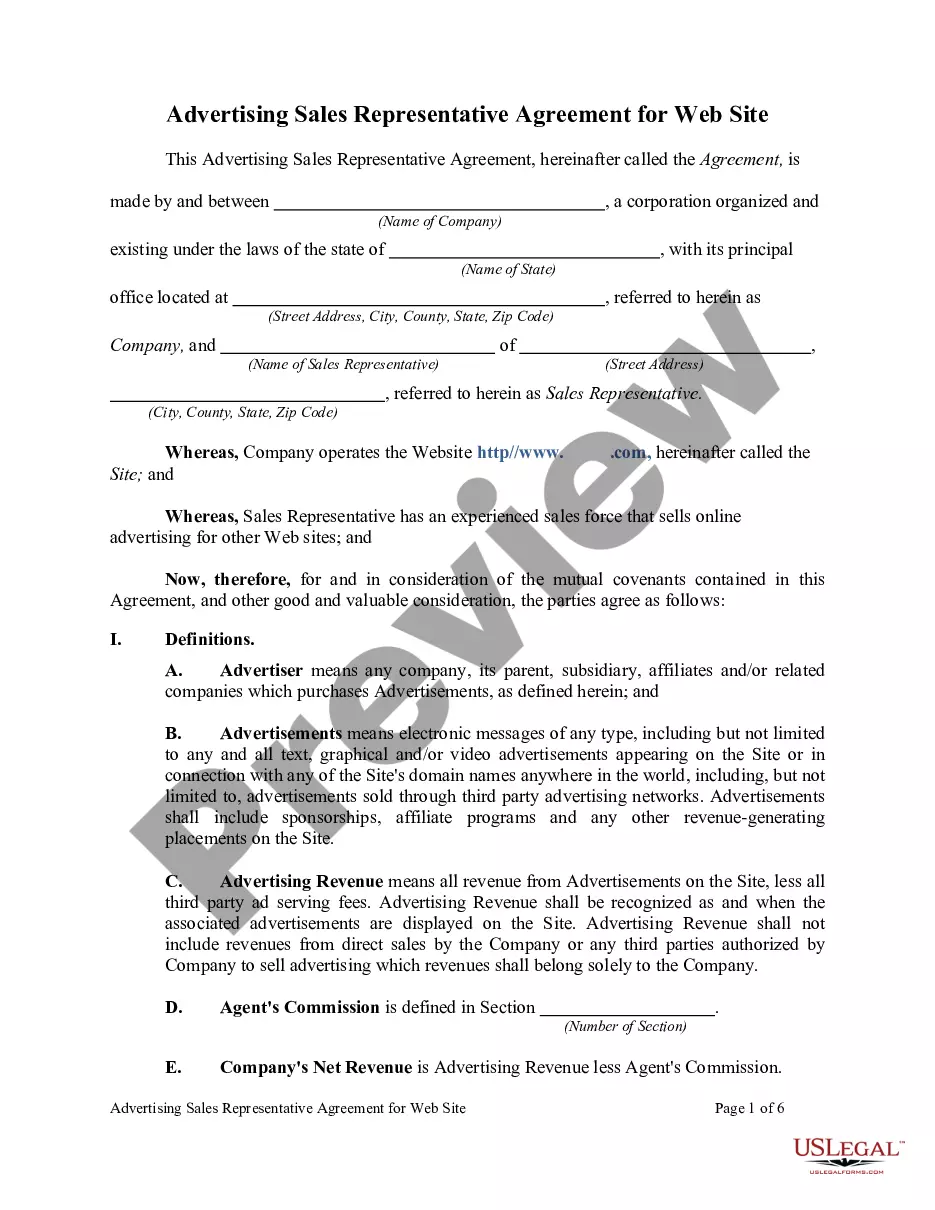


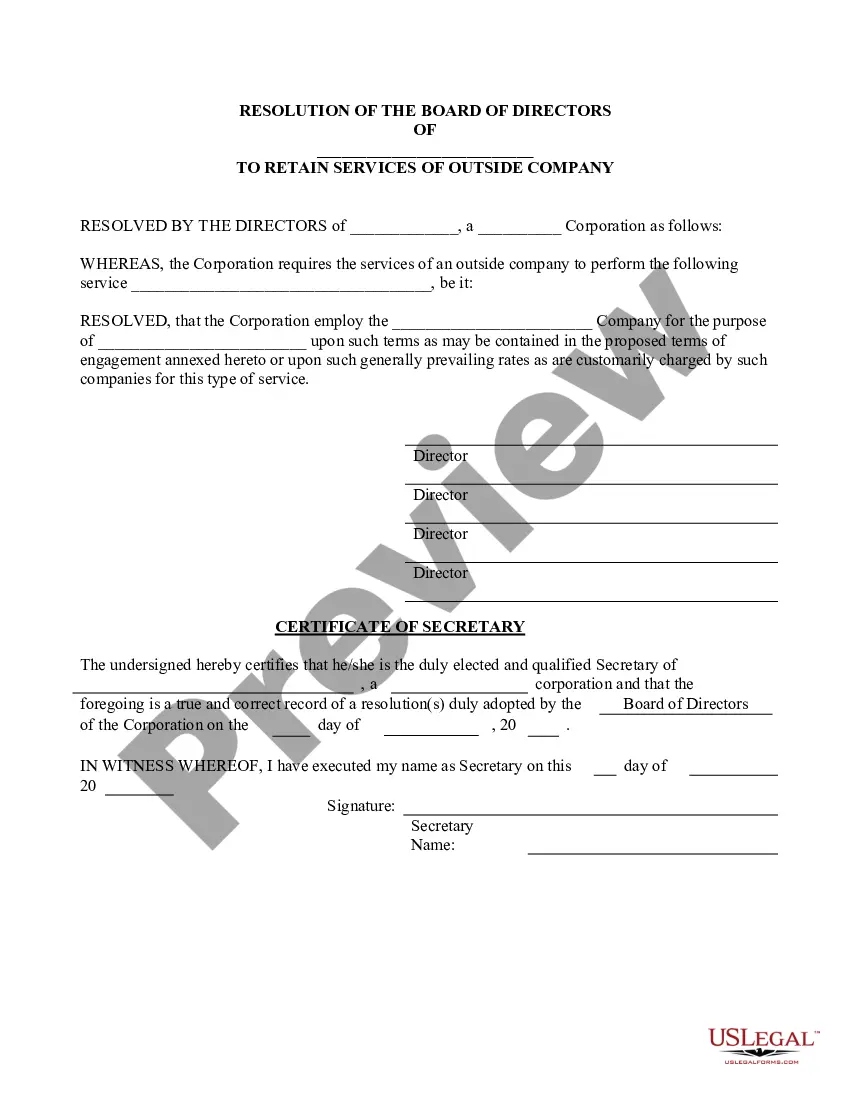
Form popularity
FAQ
Post-judgment discovery is appropriate as long as the judgment is enforceable.” The Court found that Florida judgments have a twenty year life during which those judgments are enforceable.
A common summary of the rules for setting aside (excusing) a default is frequently quoted by Florida appellate courts: A party attempting to set aside a clerk's default must demonstrate excusable neglect, a meritorious defense, and due diligence in order for the trial court to vacate the default.
Subsection 55.10(2) explicitly establishes that a judgment creditor may renew a judgment lien for an additional ten-year period upon filing an affidavit with the Clerk of Court in the original adjudicating court.
Presently there is a Florida statute that limits judgment liens to 20 years,3 and there is a Florida statute that limits “actions” on certain judgments to 20 years and other judgments to five years. There is, however, no statute or court rule that places a time limit on the execution of judgments.
Duration of a Judgment in Florida A judgment can be enforced against real property or personal property for up to 20 years under Florida law. That means that a creditor can pursue payment from you for up to 20 years from the date of the judgment if the creditor extends or renews it.
In Florida, a “void judgment” is so defective that it is deemed never to have had legal force and effect, while a “voidable judgment” is a judgment that has been entered based upon some error in procedure that allows a party to have the judgment vacated, but the judgment has legal force and effect unless and until it ...
You can also contact the Florida Bar at 1-800-342-8011. Step 1: Certify Your Judgment: Step 2: Record the Certified Copy: Step 3: Obtain Judgment Lien. Step 4: Fundamentals of Writ of Execution: Step 5: Check for Prior Liens. Step 6: Giving Appropriate Notice:
55.081 Statute of limitations, lien of judgment. —Subject to the provisions of s. 55.10, no judgment, order, or decree of any court shall be a lien upon real or personal property within the state after the expiration of 20 years from the date of the entry of such judgment, order, or decree.
A Florida judgment lien on property expires 10 years after a certified copy of the judgment is recorded in the county where the property is located. However, a creditor can extend or renew the lien for another 10 years for a total of 20 years.

