Judgment Note Form For Summary In North Carolina
Description




Get your form ready online
Our built-in tools help you complete, sign, share, and store your documents in one place.
Make edits, fill in missing information, and update formatting in US Legal Forms—just like you would in MS Word.
Download a copy, print it, send it by email, or mail it via USPS—whatever works best for your next step.
Sign and collect signatures with our SignNow integration. Send to multiple recipients, set reminders, and more. Go Premium to unlock E-Sign.
If this form requires notarization, complete it online through a secure video call—no need to meet a notary in person or wait for an appointment.
We protect your documents and personal data by following strict security and privacy standards.

Make edits, fill in missing information, and update formatting in US Legal Forms—just like you would in MS Word.

Download a copy, print it, send it by email, or mail it via USPS—whatever works best for your next step.

Sign and collect signatures with our SignNow integration. Send to multiple recipients, set reminders, and more. Go Premium to unlock E-Sign.

If this form requires notarization, complete it online through a secure video call—no need to meet a notary in person or wait for an appointment.

We protect your documents and personal data by following strict security and privacy standards.
Looking for another form?

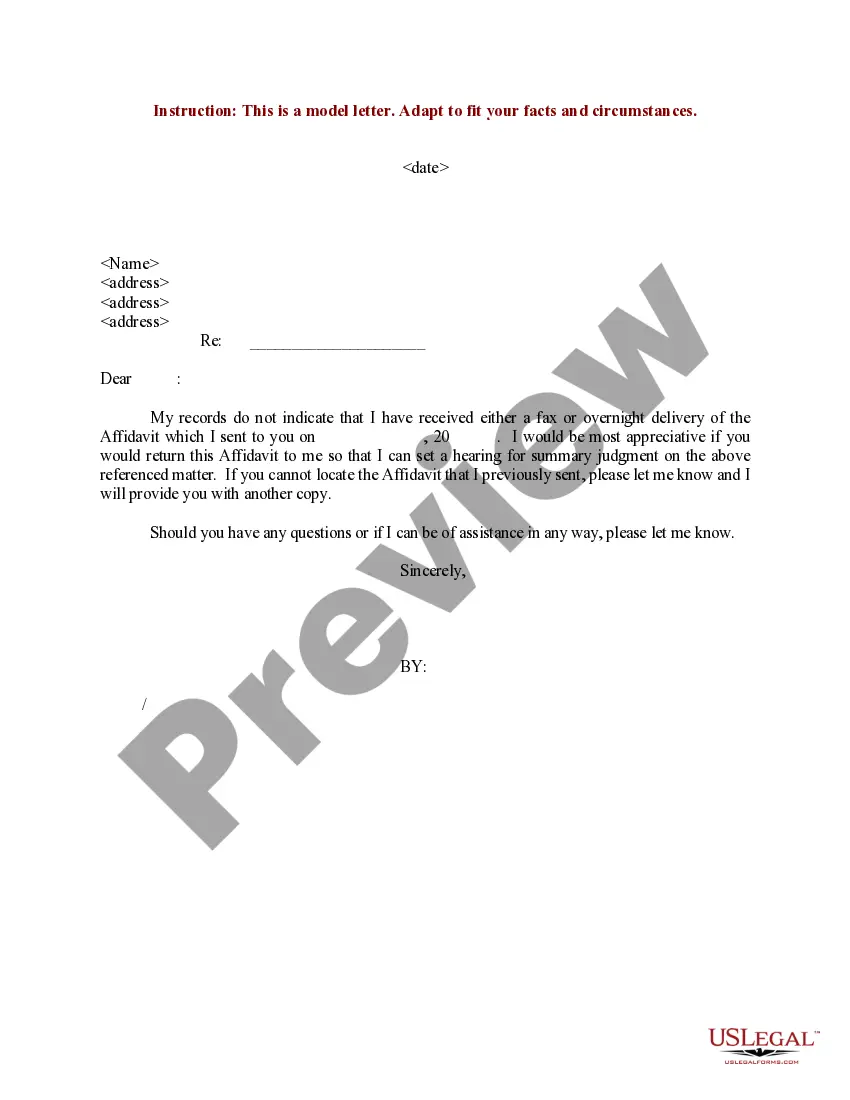




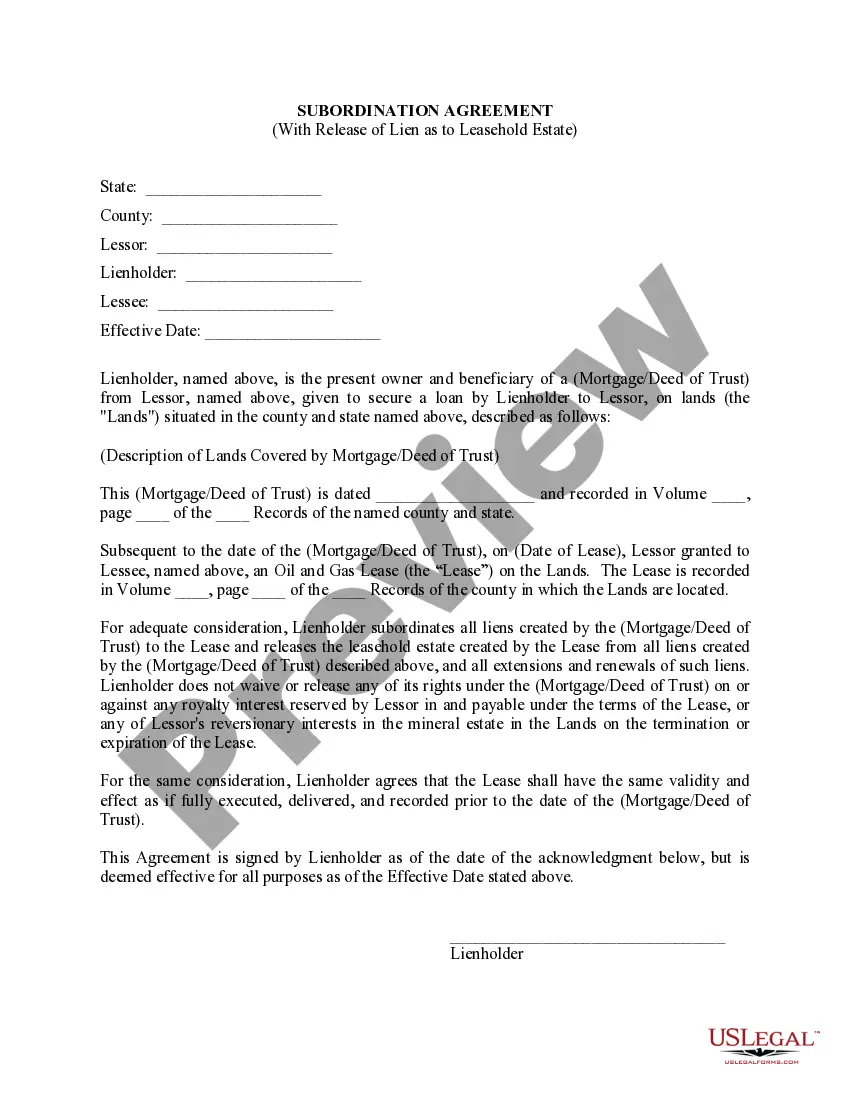



Form popularity
FAQ
The judgment sought shall be rendered forthwith if the pleadings, depositions, answers to interrogatories, and admissions on file, together with the affidavits, if any, show that there is no genuine issue as to any material fact and that any party is entitled to a judgment as a matter of law.
To request summary judgment, a party must file a motion in writing. The party filing the motion is known as the “moving party.” The party responding to the other party's motion is known as the “non-moving party.” For information on motions generally, please refer to A Guide to Motions for Unrepresented Complainants.
Once the summary judgement is granted, the case ends there, and neither party will have to deal with the stresses of a full trial. At times, the winning party can ask for an award of costs or attorney fees from the other party unless those terms were already established in the summary judgment.
Completing the “additional facts” section of the separate statement, then the response to the defendant's separate statement, and then the memorandum of points and authorities is, in my opinion, the most effective method of opposing a summary-judgment motion.
The Court grants summary judgment when there is no material issue of fact and it is required to enter judgment as a matter of law. A genuine issue of material fact exists when facts related to the specific legal claim are in dispute or when undisputed facts support different outcomes on an issue.
The very mission of the summary judgment procedure is to pierce the pleadings and to assess the proof in order to see whether there is a genuine need for trial.
A summary judgement is all evidence points to you winning. A default is we don't really know because they never showed up. End result is the same, but summary is better and more likely to be granted if the court is already endlessly continuing the case.
A summary judgment motion asks the court to decide this case without having a trial. Here are some important things to know. What is summary judgment? Summary judgment is a way for one party to win their case without a trial. The party can ask for summary judgment for part of the case or for the whole case.
Summary Administration A Summary Administration can resolve a small estate only if the decedent's spouse is the sole beneficiary (who may or may not be named in a will). This simplified estate resolution process allows the surviving spouse to transfer all the decedent's personal property into their own name.

