Judgement Lien For Taxes In North Carolina
Description




Get your form ready online
Our built-in tools help you complete, sign, share, and store your documents in one place.
Make edits, fill in missing information, and update formatting in US Legal Forms—just like you would in MS Word.
Download a copy, print it, send it by email, or mail it via USPS—whatever works best for your next step.
Sign and collect signatures with our SignNow integration. Send to multiple recipients, set reminders, and more. Go Premium to unlock E-Sign.
If this form requires notarization, complete it online through a secure video call—no need to meet a notary in person or wait for an appointment.
We protect your documents and personal data by following strict security and privacy standards.

Make edits, fill in missing information, and update formatting in US Legal Forms—just like you would in MS Word.

Download a copy, print it, send it by email, or mail it via USPS—whatever works best for your next step.

Sign and collect signatures with our SignNow integration. Send to multiple recipients, set reminders, and more. Go Premium to unlock E-Sign.

If this form requires notarization, complete it online through a secure video call—no need to meet a notary in person or wait for an appointment.

We protect your documents and personal data by following strict security and privacy standards.
Looking for another form?

Form popularity
FAQ
The Department may collect a tax for a period of 10 years from the date it becomes collectible under G.S. 105-241.22. The 10-year period may be tolled for the same reasons the enforcement period for a certificate of tax liability may be tolled under G.S. 105-242(c).
How long does NC have to collect back taxes. Done North Carolina has specific laws governing theMoreHow long does NC have to collect back taxes. Done North Carolina has specific laws governing the collection of back taxes. Understanding these laws is crucial for taxpayers.
If the taxes remain unpaid, the tax collector will use all available collection remedies to collect the delinquent taxes, including the levy on personal property, the garnishment of wages, the attachment of bank accounts, rents, debts or other property and the foreclosure and sale of the real property.
The IRS can go back six years to audit and assess additional taxes, penalties, and interest for unfiled taxes. However, there is no statute of limitations if you failed to file a tax return or if the IRS suspects you committed fraud.
The general statute of limitations for proposing an assessment is the later of the following: (1) Three years after the due date of the return. (2) Three years after the taxpayer filed the return.
The period for proposing an assessment of any tax due is one year after the return is filed or three years after the original return was filed or due to be filed, whichever is later.
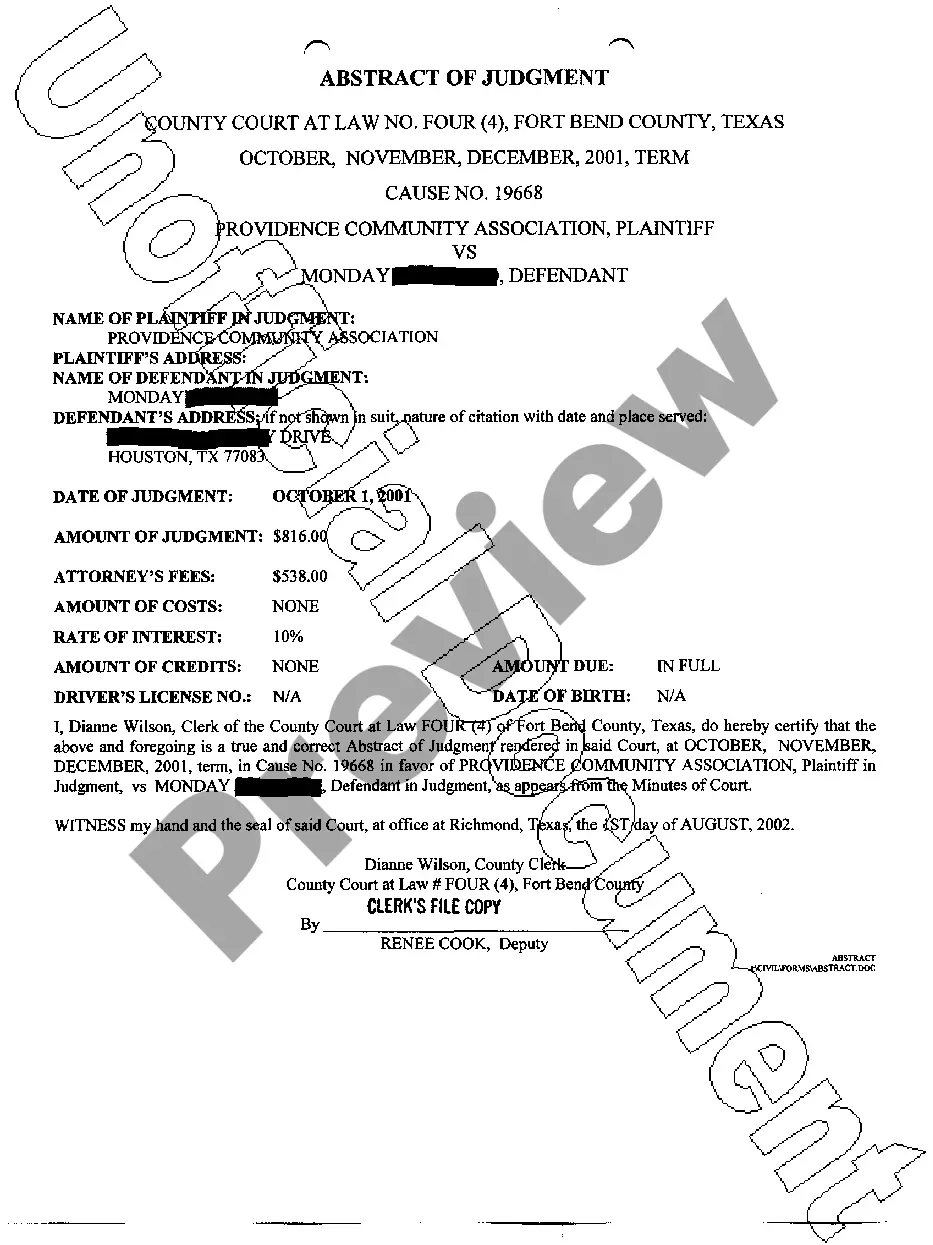
NORTH CAROLINA A judgment is a lien on real property for ten years from the entry date. N.C. Gen. Stat. § 1-234.
In terms of the debt collection laws in NC, the debtor then has a 30-day period in which it may appeal the judgment. Thereafter, the creditor may submit a Writ of Execution to the clerk of superior court in the county in which the judgment was granted, and once issued, submit the writ to the sheriff.
In North Carolina, a lien claimant has 120 days from the date of last furnishing to complete these 3 steps: Fill out a mechanics lien form that meets NC requirements. File the lien with the county recorder's office. Serve a copy of the lien on the property owner.
In North Carolina, a judgment is enforceable for 10 years from the date it was entered. After that point, it no longer can be enforced and is expired. Prior to the expiration of the judgment, the judgment creditor could seek to have it extended for another 10 years once.

