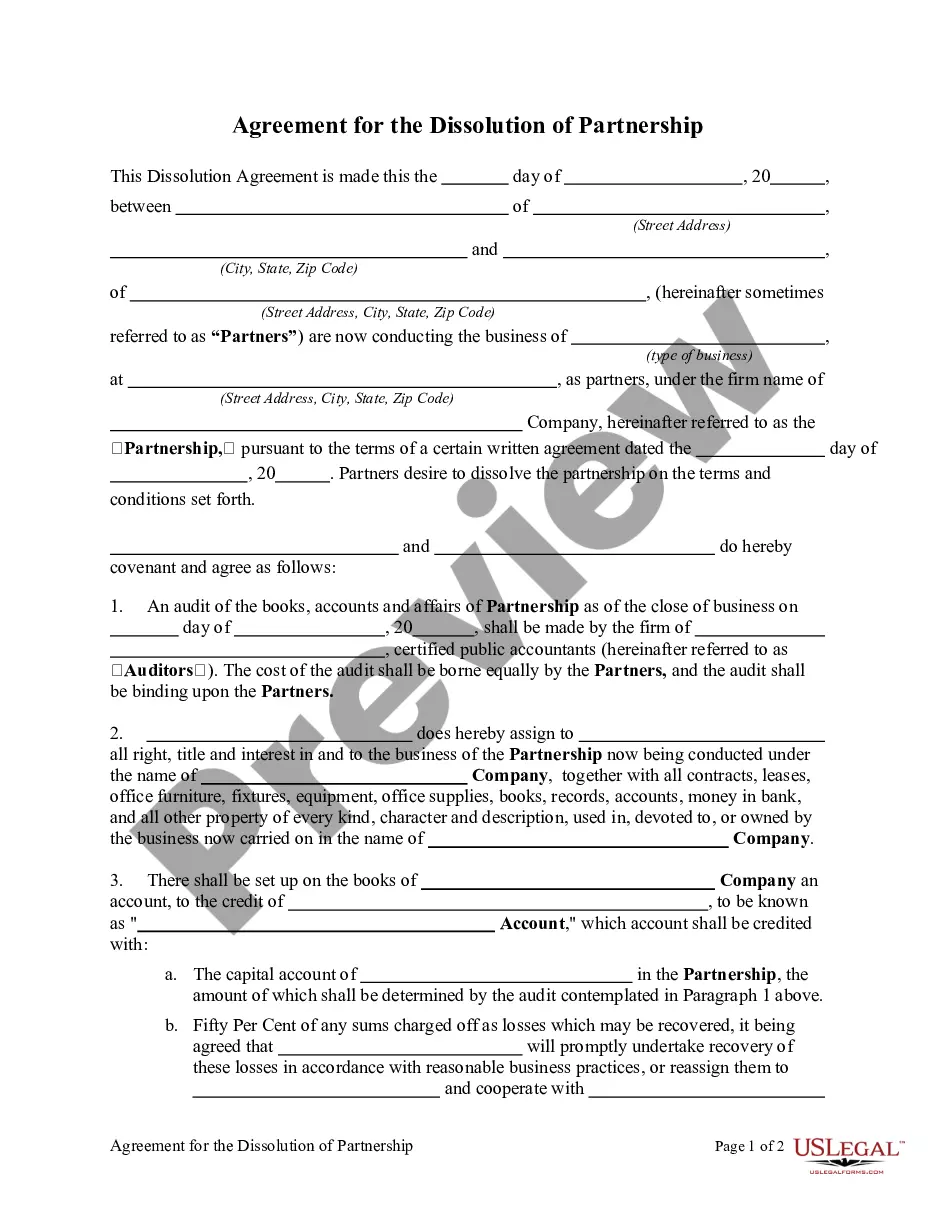
Judgment Note Form With Two Points In New York
Description




Get your form ready online
Our built-in tools help you complete, sign, share, and store your documents in one place.
Make edits, fill in missing information, and update formatting in US Legal Forms—just like you would in MS Word.
Download a copy, print it, send it by email, or mail it via USPS—whatever works best for your next step.
Sign and collect signatures with our SignNow integration. Send to multiple recipients, set reminders, and more. Go Premium to unlock E-Sign.
If this form requires notarization, complete it online through a secure video call—no need to meet a notary in person or wait for an appointment.
We protect your documents and personal data by following strict security and privacy standards.

Make edits, fill in missing information, and update formatting in US Legal Forms—just like you would in MS Word.

Download a copy, print it, send it by email, or mail it via USPS—whatever works best for your next step.

Sign and collect signatures with our SignNow integration. Send to multiple recipients, set reminders, and more. Go Premium to unlock E-Sign.

If this form requires notarization, complete it online through a secure video call—no need to meet a notary in person or wait for an appointment.

We protect your documents and personal data by following strict security and privacy standards.
Looking for another form?






Form popularity
FAQ
Entry of judgment. (a) What constitutes entry. A judgment is entered when, after it has been signed by the clerk, it is filed by him. (b) Judgment upon verdict.
How Long Are Judgments Valid in New York? Judgments are valid for 20 years and may be extended once for an additional period of 10 years. To extend a judgment for an extra ten (10) years, the Judgment Creditor must make written application to the court that issued the original judgment.
To enter (record) the judgment, the person who wins the case must: Serve a copy of the judgment and a copy of the notice of entry form on the person who loses the case. See How Legal Papers Are Delivered. File the Affidavit of Service with the court.
A) Unless otherwise permitted by the court: (i) affidavits, affirmations, briefs and memoranda of law shall be limited to 7,000 words each; (ii) reply affidavits, affirmations, and memoranda shall be no more than 4,200 words and shall not contain any arguments that do not respond or relate to those made in the ...
Unless a different time is set by local rule or the court orders otherwise, a party may file a motion for summary judgment at any time until 30 days after the close of all discovery.
Specifically, pursuant to Uniform Rule 202.7 (f), upon an application for an order to show cause that seeks a temporary restraining order, the application must contain an affirmation demonstrating that there will be significant prejudice to the party seeking the restraining order by the giving of notice.
Rule 3212. Motion for summary judgment. (a) Time; kind of action. Any party may move for summary judgment in any action, after issue has been joined; provided however, that the court may set a date after which no such motion may be made, such date being no earlier than thirty days after the filing of the note of issue.
Personal Property Execution If a Judgment Creditor knows that the Judgment Debtor owns a car, truck, motorcycle or other personal property of significant value, the Judgment Creditor may file a Property Execution.
The defendant must submit to the clerk the necessary papers and the clerk enters a judgment for costs (CPLR 3215(a); see Plaintiff's Default During the Litigation: Necessary Papers). The defendant must apply to the clerk for a default judgment within one year of the plaintiff's default (CPLR 3215(a)).
1. Take your judgment amount and multiply it by your post judgment rate (%). 2. Take the total and divide it by 365 (the number of days in a year).