Judgment Lien Forms Foreclosure In New York
Description




Get your form ready online
Our built-in tools help you complete, sign, share, and store your documents in one place.
Make edits, fill in missing information, and update formatting in US Legal Forms—just like you would in MS Word.
Download a copy, print it, send it by email, or mail it via USPS—whatever works best for your next step.
Sign and collect signatures with our SignNow integration. Send to multiple recipients, set reminders, and more. Go Premium to unlock E-Sign.
If this form requires notarization, complete it online through a secure video call—no need to meet a notary in person or wait for an appointment.
We protect your documents and personal data by following strict security and privacy standards.

Make edits, fill in missing information, and update formatting in US Legal Forms—just like you would in MS Word.

Download a copy, print it, send it by email, or mail it via USPS—whatever works best for your next step.

Sign and collect signatures with our SignNow integration. Send to multiple recipients, set reminders, and more. Go Premium to unlock E-Sign.

If this form requires notarization, complete it online through a secure video call—no need to meet a notary in person or wait for an appointment.

We protect your documents and personal data by following strict security and privacy standards.
Looking for another form?
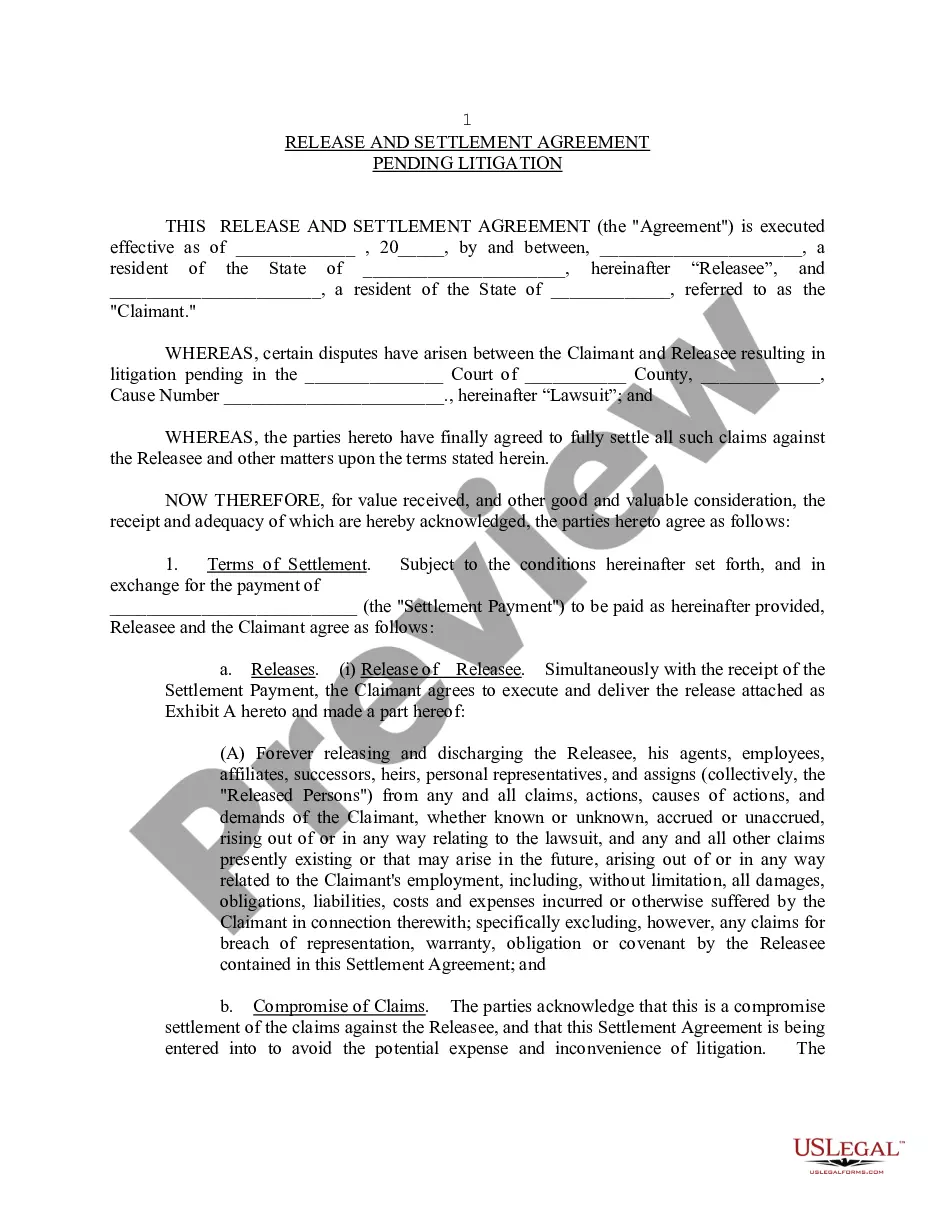
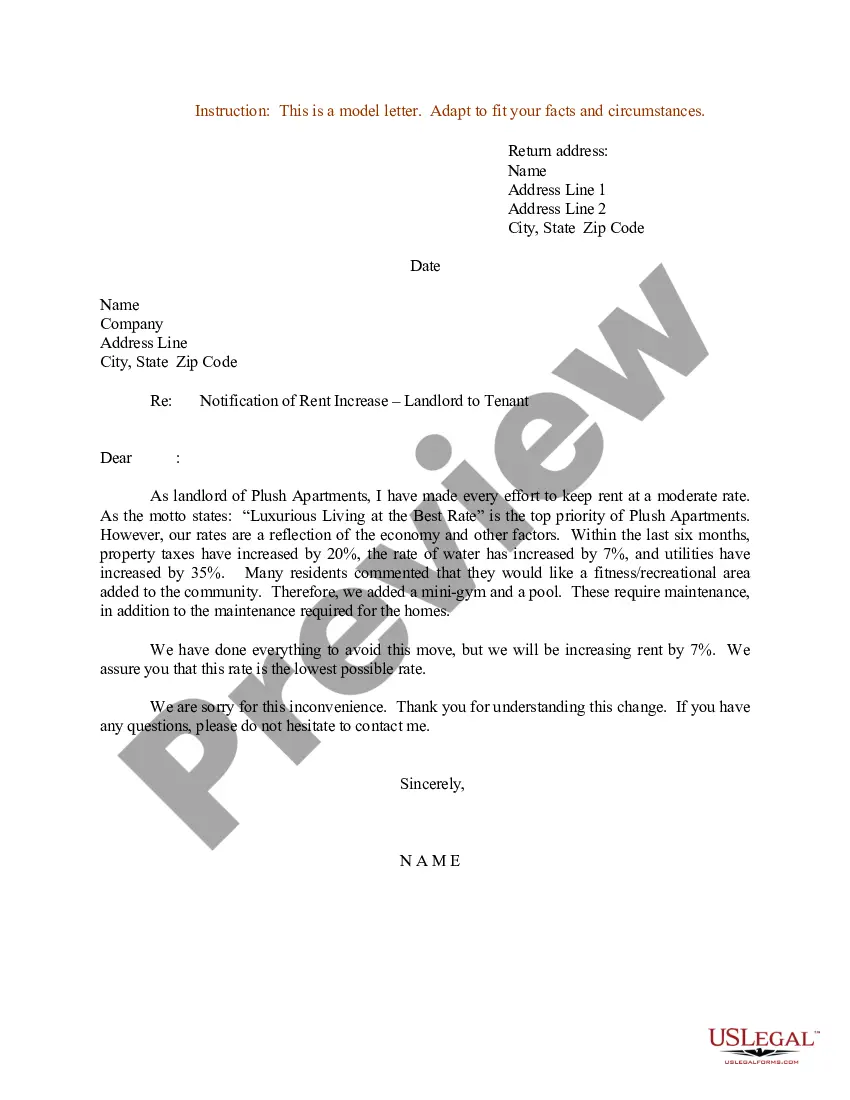








Form popularity
FAQ
The Foreclosure Abuse Prevention Act applies to all foreclosure actions initiated in New York State. This means that private lenders, banks, mortgage servicers, and other financial institutions that initiate foreclosure actions must comply with the new regulations set forth by the Act.
Filing a Lien at the County Clerk's Office A Judgment Creditor can make their City Court Judgment more powerful by filing their judgment in the County Clerk's Office. This is accomplished by the Judgment Creditor requesting a "Transcript of Judgment" from the City Court Clerk.
action rule typically requires a lender to complete a judicial or nonjudicial foreclosure on the real property collateral before it can obtain a deficiency judgment against the borrower or take other action to collect against a borrower's assets.
It takes at least 6 to 8 months for a fore- closure lawsuit to go from summons and complaint to auction — even if you ignore the court case. In reality, however, the process is taking much longer. If you file an Answer and appear at the mandatory settlement conference, it is taking lenders 1 to 3 years to foreclose.
By requesting a motion for a Judgment of Foreclosure and Sale, your lender will try to show the court that: a) the foreclosure action was prosecuted correctly, and they met their procedural requirements in the case; and b) the amounts owed to the plaintiff are fair, reasonable and accurate and should be approved by the ...
On December 30, 2022, New York Gov. Kathy Hochul signed into law the Foreclosure Abuse Prevention Act (the “Act”), which will hinder lenders and servicers' ability to foreclose on New York homeowners.
See Paths of a Foreclosure Case in New York State. Before the Judge signs the judgment of foreclosure and sale, the Judge signs an Order of Reference. The Order of Reference sends the case to a Referee to add up the total amount that plaintiff is owed under the terms of the mortgage.
A judgment is good for 20 years, but if the plaintiff wants to enforce the judgment against land it is only good for 10 years unless the plaintiff renews it for another 10 years.
Missed Mortgage Payments If you have fallen behind 1 to 2 months in payment, the mortgage holder will tell you that they will start the foreclosure process for your home. You will get a 90 Day Pre-Foreclosure Notice in the mail. You will have a chance to get help and try to recover before a court case is started.
For Residential Cases. Lender must mail you information on getting help at least 90 days before starting a court case. Lender asks court for a judgment on default and to appoint a Referee to decide the amount you owe and write a report. Lender asks court to accept the Referee's findings. Judge orders sale of your home.

