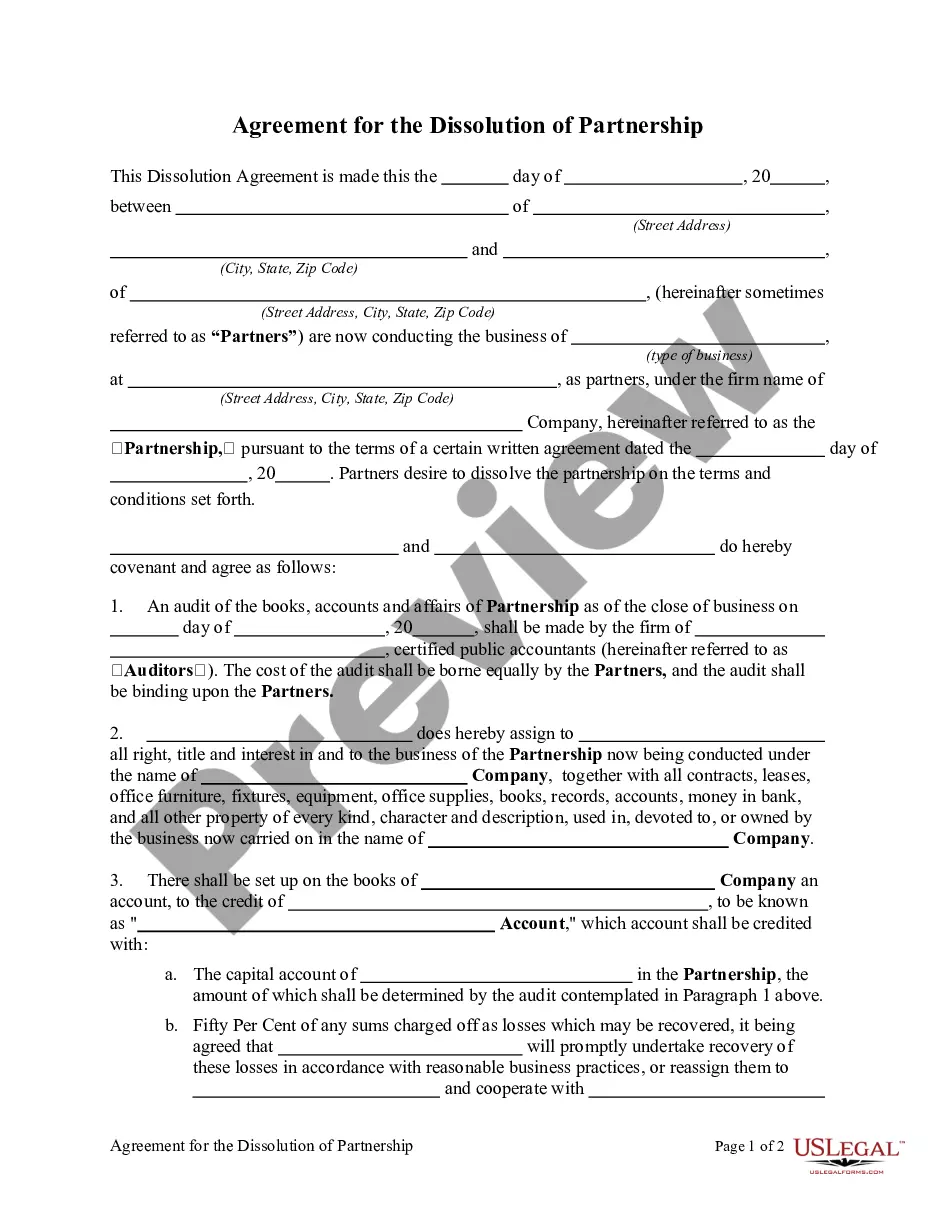
Judgment Note Form With Two Points In Nevada
Description




Get your form ready online
Our built-in tools help you complete, sign, share, and store your documents in one place.
Make edits, fill in missing information, and update formatting in US Legal Forms—just like you would in MS Word.
Download a copy, print it, send it by email, or mail it via USPS—whatever works best for your next step.
Sign and collect signatures with our SignNow integration. Send to multiple recipients, set reminders, and more. Go Premium to unlock E-Sign.
If this form requires notarization, complete it online through a secure video call—no need to meet a notary in person or wait for an appointment.
We protect your documents and personal data by following strict security and privacy standards.

Make edits, fill in missing information, and update formatting in US Legal Forms—just like you would in MS Word.

Download a copy, print it, send it by email, or mail it via USPS—whatever works best for your next step.

Sign and collect signatures with our SignNow integration. Send to multiple recipients, set reminders, and more. Go Premium to unlock E-Sign.

If this form requires notarization, complete it online through a secure video call—no need to meet a notary in person or wait for an appointment.

We protect your documents and personal data by following strict security and privacy standards.
Looking for another form?






Form popularity
FAQ
Rule 60. Relief From a Judgment or Order (a) Corrections Based on Clerical Mistakes; Oversights and Omissions. The court may correct a clerical mistake or a mistake arising from oversight or omission whenever one is found in a judgment, order, or other part of the record.
By way of background, Federal Rule of Civil Procedure 60(b) permits federal courts to grant parties relief from a “final judgment, order, or proceeding” for several enumerated reasons. This includes, among other things, a party's mistake, inadvertence, surprise or even excusable neglect.
Nevada Rule of Civil Procedure (NRCP) 68, provides that any party may serve an offer of judgment at least 10 days before trial. 1 An offer not accepted within 10 days is deemed rejected and withdrawn.
A: Rule 60 of the Rules of Civil Procedure authorizes a section 2255 movant to ask the court for relief from a judgment. Rule 60 differs from Rule 59 in that Rule 60 may be used after the 28 day timeframe for filing a Rule 59(e) motion has run.
On motion and upon such terms as are just, the court may relieve a party or party's legal representative from a final judgment, order, or proceeding for the following reasons: (1) mistake, inadvertence, surprise, or excusable neglect; (2) newly discovered evidence which by due diligence could not have been discovered ...
Rule 7.20 - Form of papers presented for filing; exhibits; documents; legal citations (a) All pleadings and papers presented for filing must be flat, unfolded, firmly bound together at the top, on white paper of standard quality, not less than 16-lb.
Rule 45(a)(1) authorizes the issuance of a subpoena to compel a nonparty to produce evidence independent of any deposition or permit inspection of premises within the nonparty's possession.
Notice Requirement: Employers must provide at least 60 days advance notice of any planned mass layoffs, plant closures, or major relocations. A mass layoff is defined as a reduction in force that results in job loss at a single site during any 30-day period for 50 or more employees.
Ban surprise billing for emergency services. Emergency services, even if they're provided out-of-network, must be covered at an in-network rate without requiring prior authorization.
In representing a client, a lawyer shall not communicate about the subject of the representation with a person the lawyer knows to be represented by another lawyer in the matter, unless the lawyer has the consent of the other lawyer or is authorized to do so by law or a court order.