Judgment Note Form For Summary In Nevada
Description




Get your form ready online
Our built-in tools help you complete, sign, share, and store your documents in one place.
Make edits, fill in missing information, and update formatting in US Legal Forms—just like you would in MS Word.
Download a copy, print it, send it by email, or mail it via USPS—whatever works best for your next step.
Sign and collect signatures with our SignNow integration. Send to multiple recipients, set reminders, and more. Go Premium to unlock E-Sign.
If this form requires notarization, complete it online through a secure video call—no need to meet a notary in person or wait for an appointment.
We protect your documents and personal data by following strict security and privacy standards.

Make edits, fill in missing information, and update formatting in US Legal Forms—just like you would in MS Word.

Download a copy, print it, send it by email, or mail it via USPS—whatever works best for your next step.

Sign and collect signatures with our SignNow integration. Send to multiple recipients, set reminders, and more. Go Premium to unlock E-Sign.

If this form requires notarization, complete it online through a secure video call—no need to meet a notary in person or wait for an appointment.

We protect your documents and personal data by following strict security and privacy standards.
Looking for another form?

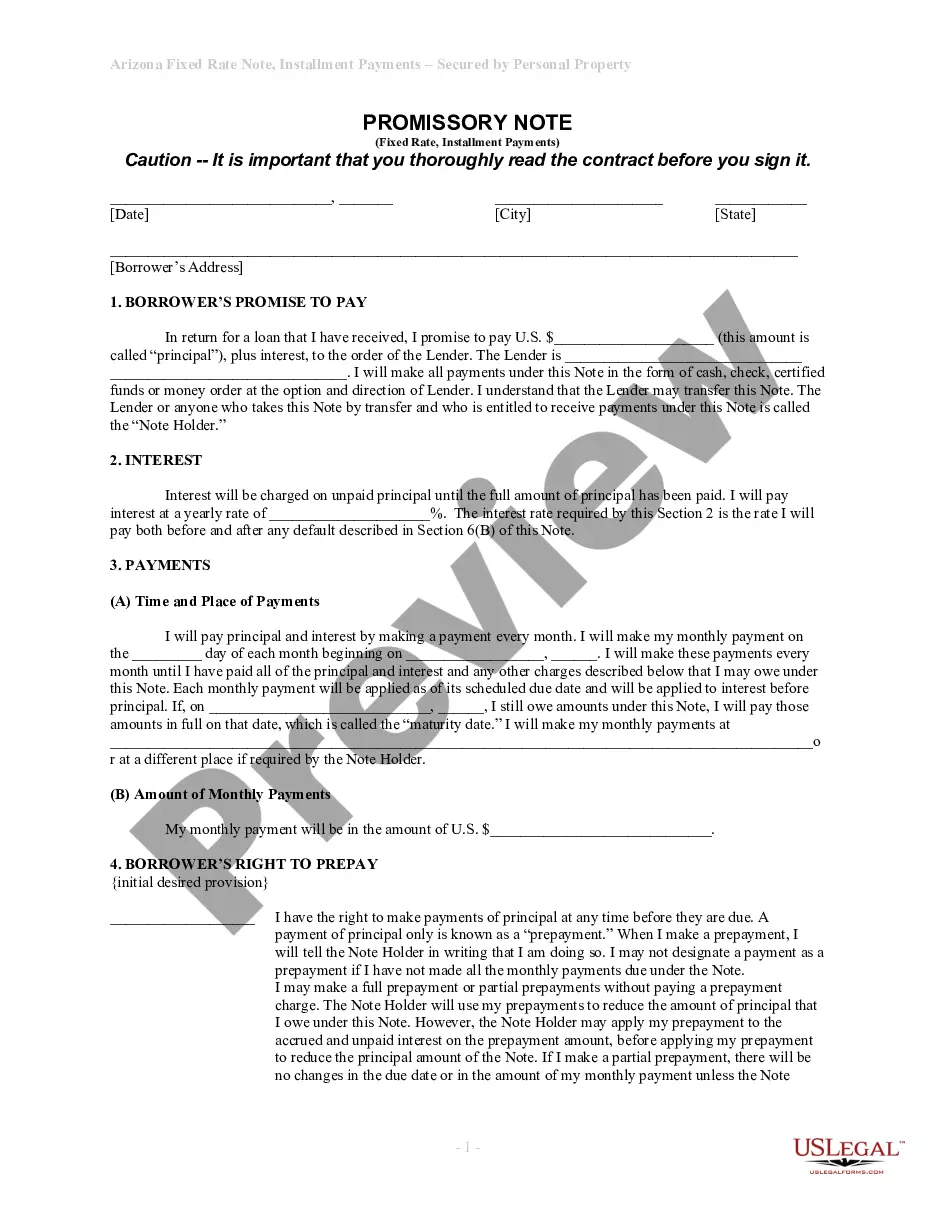



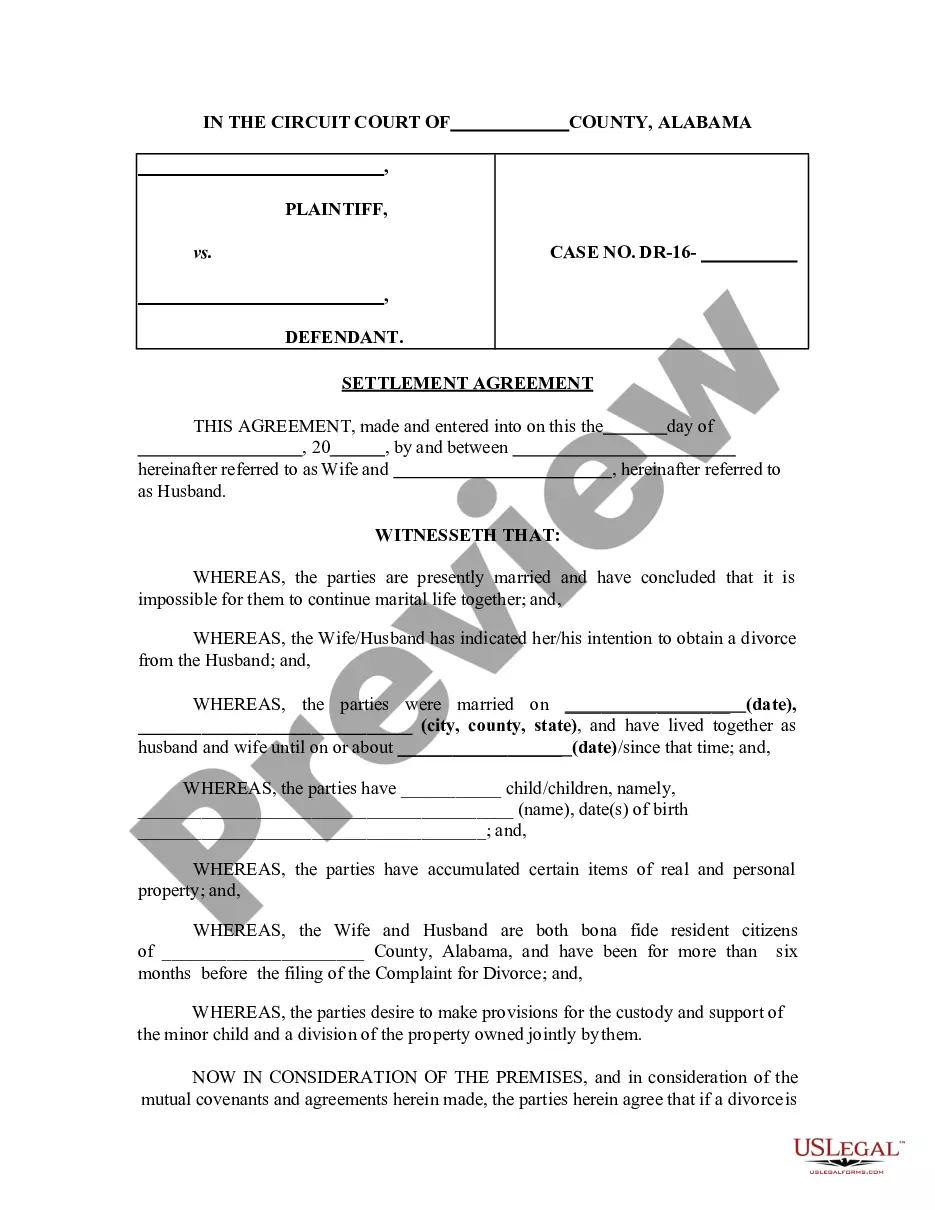
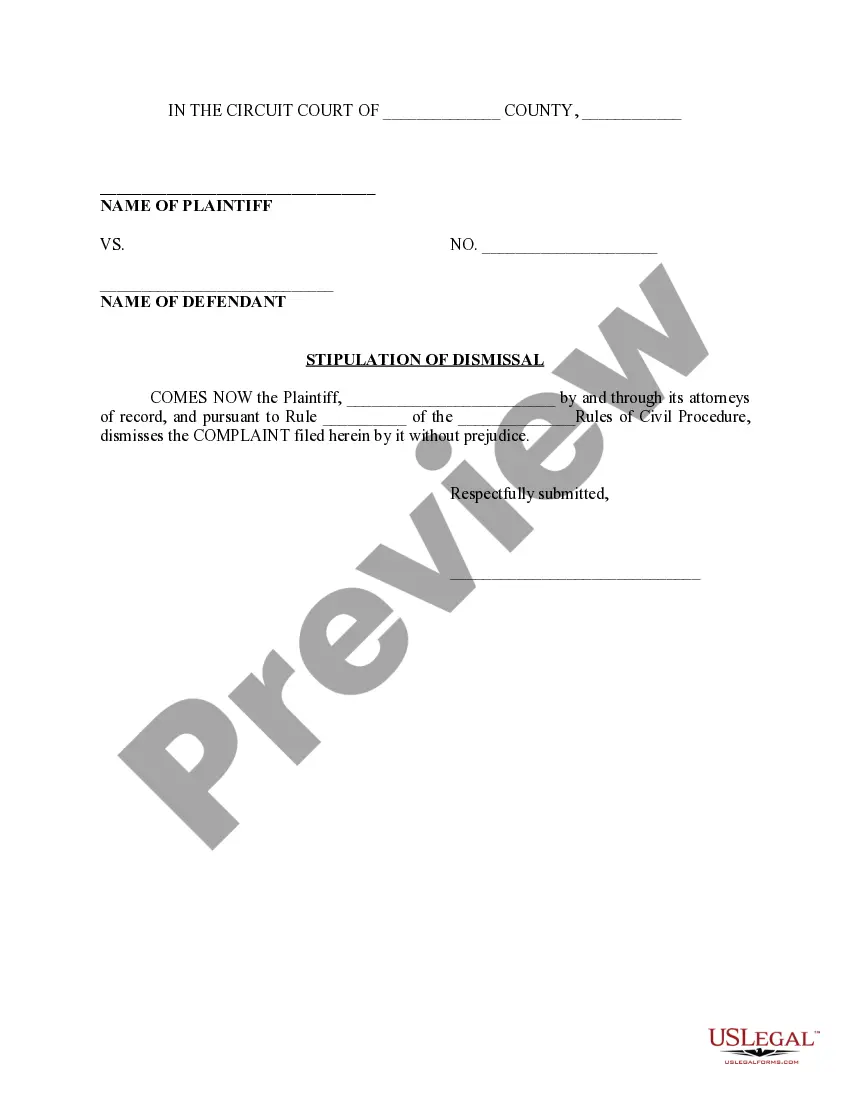



Form popularity
FAQ
A state court pleading may be authenticated by proffering a certified copy or by an affidavit signed by counsel in the state court case certifying that counsel has personal knowledge of the contents of the pleading filed in the state court case, has carefully reviewed the entire proffered pleading, and the proffered ...
The odds of winning a summary judgment, known as the grant rate, vary widely by case type. The most common grant of summary judgment is in Title VII and employment cases. These are granted in whole in 49.2% of cases, in part in 23.3% of cases, and denied in 27.5% of cases.
Rule 56(c)(1)(A) specifies that other parts in the record may be considered on summary judgment. Those parts would include stipulations, admissions, interrogatory answers, and other discovery responses. In order to be considered, the materials must be placed into the record either by affidavit, declaration, or motion.
Rule 56 of the Federal Rules of Civil Procedure states that a motion for summary judgment must be supported or opposed by “citing to particular parts of materials in the record,” to include “depositions, documents, electronically stored information, affidavits or declarations, stipulations , admissions, ...
The court shall grant summary judgment if the movant shows that there is no genuine dispute as to any material fact and the movant is entitled to judgment as a matter of law. The court should state on the record the reasons for granting or denying the motion.
What You Need in Your Motion for Summary Judgement Title and Introduction. Clearly state the document's purpose and include the case caption. Statement of Facts. Provide a clear, detailed statement of the undisputed facts. Standard of Review. Explain the legal standard for granting summary judgment. Argument. Conclusion.
When opposing a properly supported motion for summary judgment, a party must respond with specific facts showing that there is a genuine issue of material fact and that the moving party is not entitled to judgment as a matter of law.
The court shall grant summary judgment if the movant shows that there is no genuine dispute as to any material fact and the movant is entitled to judgment as a matter of law.
Under Rule 56, in order to succeed in a motion for summary judgment, a movant must show: There is no genuine issue of material fact, and. The movant is entitled to judgment as a matter of law.
In representing a client, a lawyer shall not communicate about the subject of the representation with a person the lawyer knows to be represented by another lawyer in the matter, unless the lawyer has the consent of the other lawyer or is authorized to do so by law or a court order.

