Notice Judgment Lien Form With Mortgage In Middlesex
Description




Get your form ready online
Our built-in tools help you complete, sign, share, and store your documents in one place.
Make edits, fill in missing information, and update formatting in US Legal Forms—just like you would in MS Word.
Download a copy, print it, send it by email, or mail it via USPS—whatever works best for your next step.
Sign and collect signatures with our SignNow integration. Send to multiple recipients, set reminders, and more. Go Premium to unlock E-Sign.
If this form requires notarization, complete it online through a secure video call—no need to meet a notary in person or wait for an appointment.
We protect your documents and personal data by following strict security and privacy standards.

Make edits, fill in missing information, and update formatting in US Legal Forms—just like you would in MS Word.

Download a copy, print it, send it by email, or mail it via USPS—whatever works best for your next step.

Sign and collect signatures with our SignNow integration. Send to multiple recipients, set reminders, and more. Go Premium to unlock E-Sign.

If this form requires notarization, complete it online through a secure video call—no need to meet a notary in person or wait for an appointment.

We protect your documents and personal data by following strict security and privacy standards.
Looking for another form?








Form popularity
FAQ
Yes, but somebody had to go to court to get the judgement. If you were legally served with a Summons & Complaint and didn't show up in Court a ``Default Judgement'' would be entered based on the Plaintiff's case. Being ``legally'' served doesn't always mean it was personally handed to you.
The most common ways you may find out that there are outstanding judgements against you in one of the following ways: letter in the mail or phone call from the collection attorneys; garnishee notice from your payroll department; freeze on your bank account; or. routine check of your credit report.
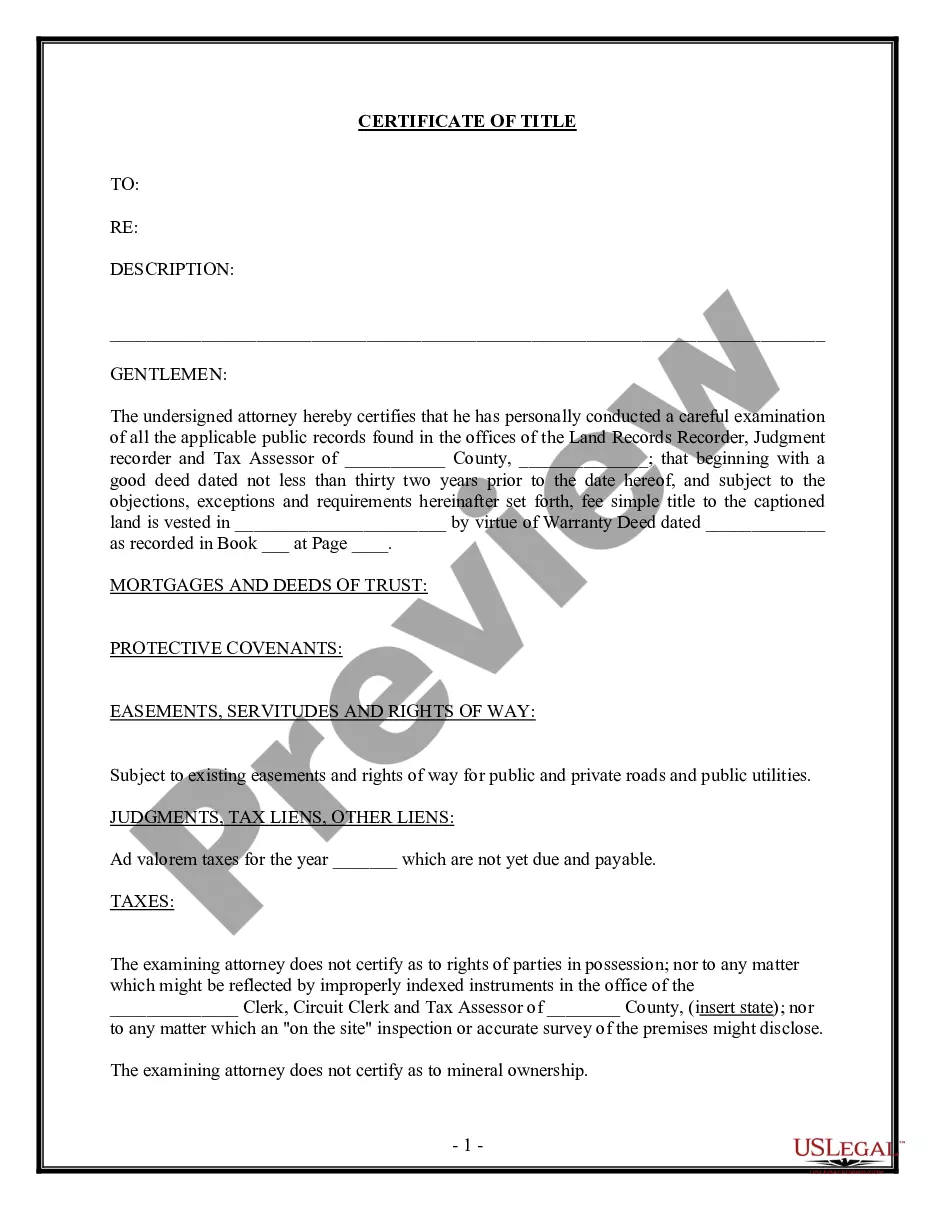
A mortgage is a specific, voluntary lien. It is specific to the piece of property and is voluntary because it was agreed to by the property owner. A judgment lien is an example of a general, involuntary lien. Judgment liens can be applied against any of an individual's assets.
Key Takeaways. A judgment lien is a court ruling that gives a creditor the right to take possession of a debtor's property if the debtor fails to fulfill their contractual obligations. Judgment liens are nonconsensual because they are attached to property without the owner's consent or agreement.
It shows up on your credit report as well as on any background checks. The judgment is considered a lien against your property, including any real estate that you have, in the state in which the judgment is filed.
To find a lien on property in New Jersey, inquirers must first identify the specific county where the property is located. Most counties have an official website (managed by the county clerk's office or superior court clerk) that provides remote access to property tax information.
An example of a general lien is a state income tax lien. Unlike specific liens that attach only to particular assets, a general lien is against all of the assets of a debtor and not tied to a specific asset. For instance, A mortgage lien is tied specifically to a piece of property.
A mortgage is a specific, voluntary lien. It is specific to the piece of property and is voluntary because it was agreed to by the property owner. A judgment lien is an example of a general, involuntary lien. Judgment liens can be applied against any of an individual's assets.
Most judgment liens last for 10 years and can be renewed for another 10 years. For example, the creditor could place a judgment lien on your home which would inhibit you from selling the property without first paying the creditor what you owe.

