Two Weeks Notice Letter For Daycare In Illinois
Description




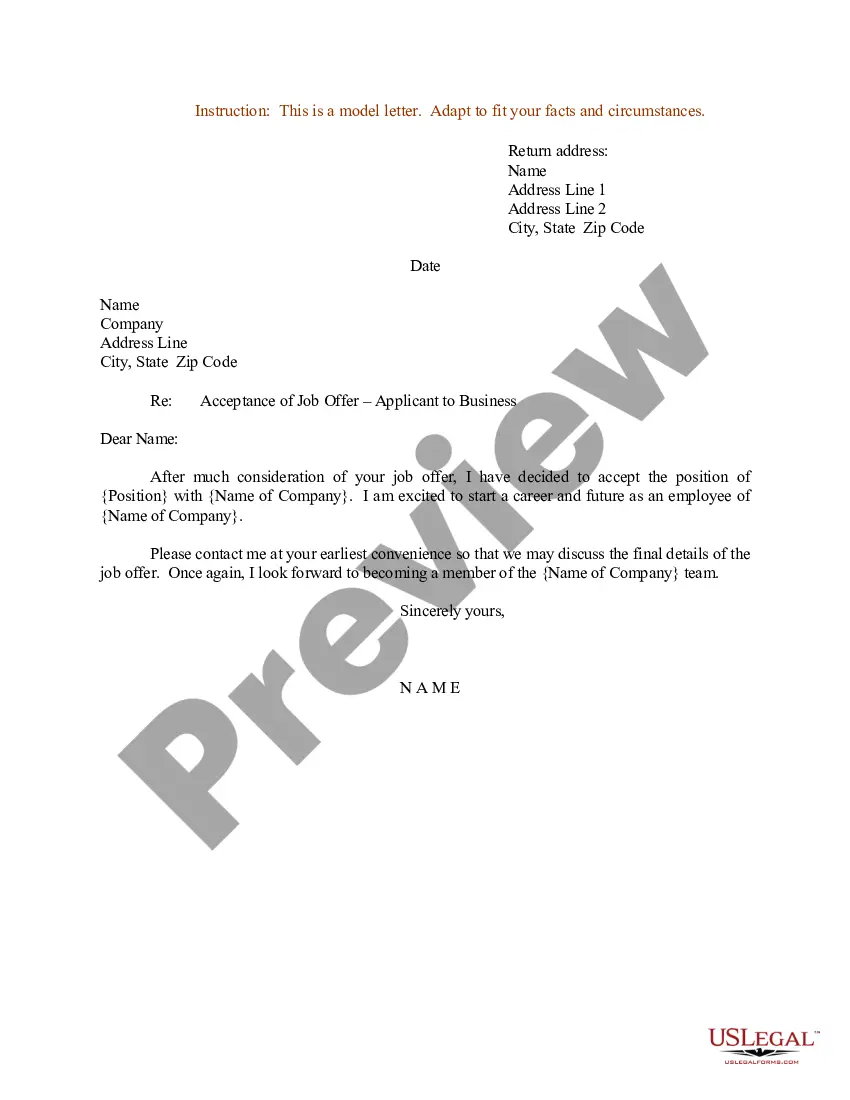
Get your form ready online
Our built-in tools help you complete, sign, share, and store your documents in one place.
Make edits, fill in missing information, and update formatting in US Legal Forms—just like you would in MS Word.
Download a copy, print it, send it by email, or mail it via USPS—whatever works best for your next step.
Sign and collect signatures with our SignNow integration. Send to multiple recipients, set reminders, and more. Go Premium to unlock E-Sign.
If this form requires notarization, complete it online through a secure video call—no need to meet a notary in person or wait for an appointment.
We protect your documents and personal data by following strict security and privacy standards.

Make edits, fill in missing information, and update formatting in US Legal Forms—just like you would in MS Word.

Download a copy, print it, send it by email, or mail it via USPS—whatever works best for your next step.

Sign and collect signatures with our SignNow integration. Send to multiple recipients, set reminders, and more. Go Premium to unlock E-Sign.

If this form requires notarization, complete it online through a secure video call—no need to meet a notary in person or wait for an appointment.

We protect your documents and personal data by following strict security and privacy standards.
Looking for another form?



Form popularity
FAQ
Two-week notice: Many daycare providers require a minimum two-week notice for termination of services. This applies to both parents voluntarily withdrawing their child and providers terminating care. Provider-specific policies: Your daycare may have a longer or shorter notice period specified in its contract.
Follow these eight steps to help you write a daycare resignation letter: Add your contact details and the date. Start with a professional greeting. State your purpose for writing the letter. Explain why you plan to resign. Offer to help with the transition. Express gratitude for the experience.
Put it in writing Termination of care should always be given to the parent in writing. Even if you plan to tell them verbally. Not only are you ending a contract (you should always have a signed daycare contract before providing care) but a written notice provides you with a paper trail for your records.
I'd just say something generic like ``We've enjoyed our time with you so much, but we'll be moving to a new daycare on XYZ date. Thanks for being such an amazing part of her life!''
It is never an easy decision to make, but you can make the process easier by writing a clear and concise termination letter. This letter should include the reasons for your decision, as well as any information about your child's care that you want the daycare provider to know.
``This notice is to inform you that child care services will be terminated in two weeks because at this time I am unable to continue offering child care services for your family. Your child's last day of care will be (date). Your remaining balance for the last two weeks of care is (amount) and is due on (date).''
How to write a daycare worker cover letter Begin with your name and contact information. Address the hiring manager. Write an introductory paragraph. Write about your experience and qualifications. Discuss your skills and education. Conclude with a professional thank you and sign-off. Proofread your cover letter.
What Should You Include in Your Daycare Termination Letter? The date of termination. The date the daycare will receive this notice. A brief statement about how long your child was under care by the daycare service provider before ending services. A brief explanation for why you are leaving daycare services.
Write a simple two sentence resignation letter addressed to your boss. In the first sentence, state that you are resigning your position. In the second sentence, state that your last day will be two weeks from the date of your letter. Print your letter on plain paper, sign it and copy it for your files.
Your letter of resignation doesn't have to include an explanation; just that you're leaving, and the date of your last day. If people ask you directly why you're leaving, you can say 'scheduling conflicts with childcare', or 'too many family responsibilities''. You can be vague, but firm.

