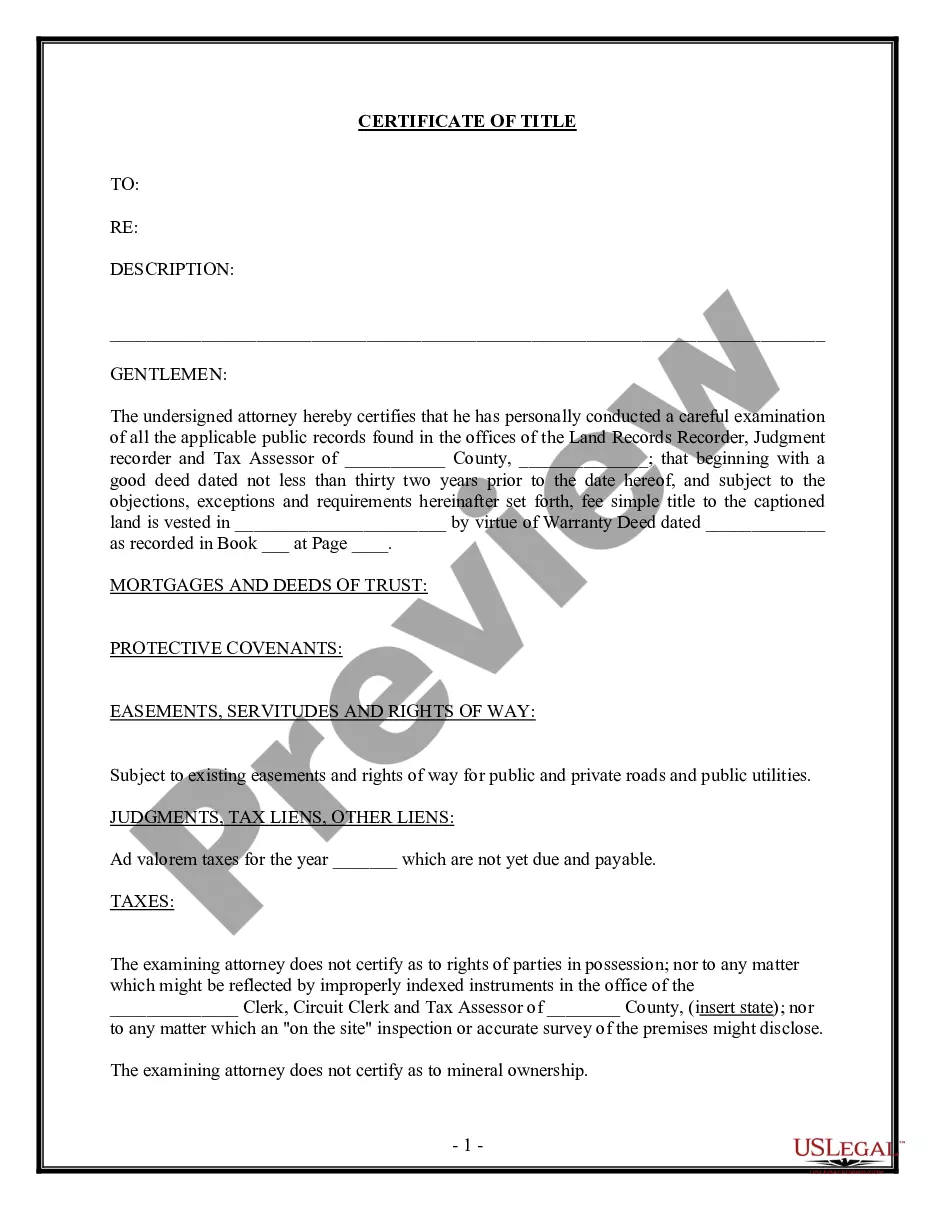
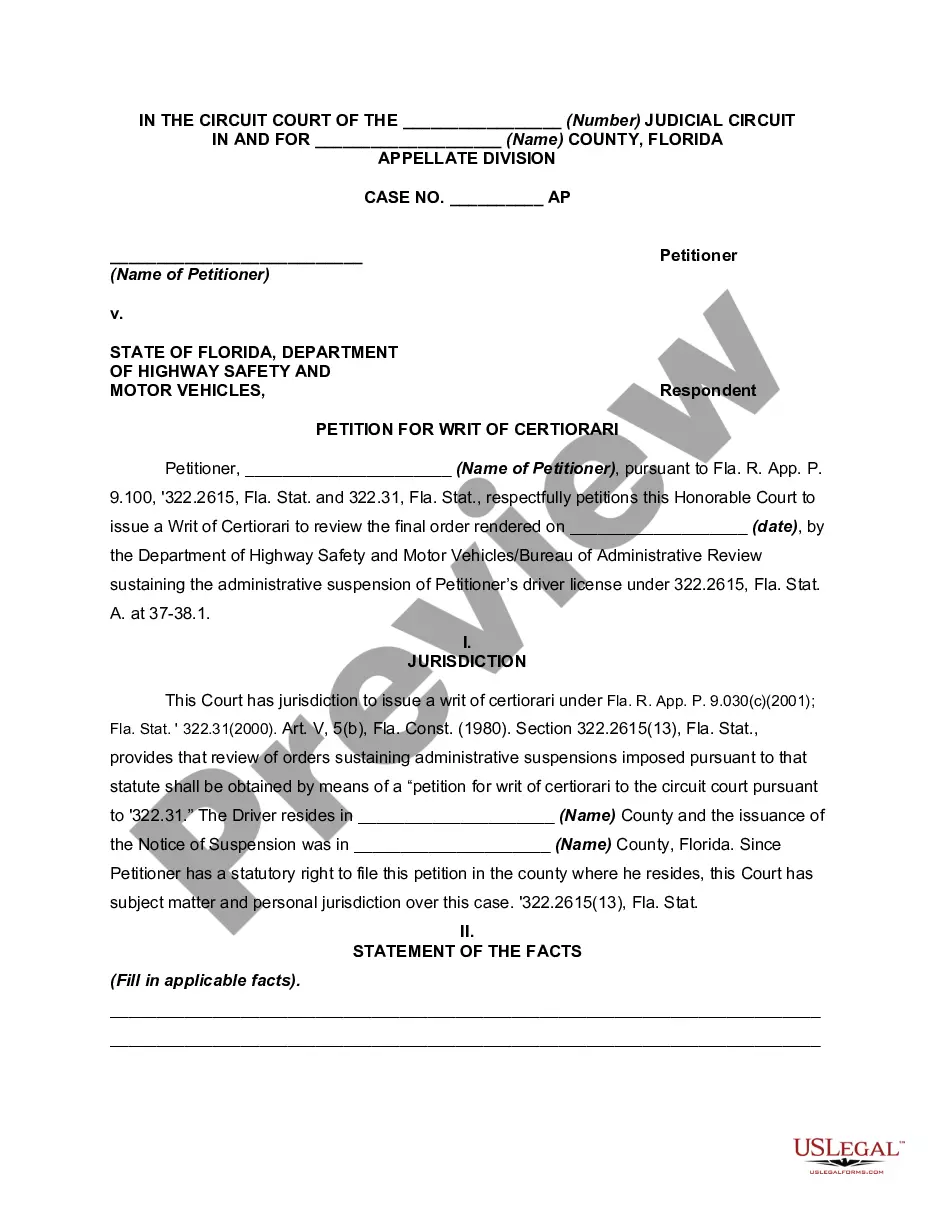
Judgment Against Property With Florida In Franklin
Description




Get your form ready online
Our built-in tools help you complete, sign, share, and store your documents in one place.
Make edits, fill in missing information, and update formatting in US Legal Forms—just like you would in MS Word.
Download a copy, print it, send it by email, or mail it via USPS—whatever works best for your next step.
Sign and collect signatures with our SignNow integration. Send to multiple recipients, set reminders, and more. Go Premium to unlock E-Sign.
If this form requires notarization, complete it online through a secure video call—no need to meet a notary in person or wait for an appointment.
We protect your documents and personal data by following strict security and privacy standards.

Make edits, fill in missing information, and update formatting in US Legal Forms—just like you would in MS Word.

Download a copy, print it, send it by email, or mail it via USPS—whatever works best for your next step.

Sign and collect signatures with our SignNow integration. Send to multiple recipients, set reminders, and more. Go Premium to unlock E-Sign.

If this form requires notarization, complete it online through a secure video call—no need to meet a notary in person or wait for an appointment.

We protect your documents and personal data by following strict security and privacy standards.
Looking for another form?








Form popularity
FAQ
Florida Statute of Limitations on a Judgment Lasts 20 Years. Until recently, there has been some debate on this litigation question caused by the interpretation of some Courts that a Florida judgment is subject to a five year statute of limitations. However, the Florida Supreme Court, in Salinas v.
The sheriff's department can seize: Personal property: movable things (e.g., cars, horses, boats, furniture, jewelry) owned by the debtor. Real property: land and buildings owned by the debtor.
The sheriff's department can seize: Personal property: movable things (e.g., cars, horses, boats, furniture, jewelry) owned by the debtor. Real property: land and buildings owned by the debtor.
Presently there is a Florida statute that limits judgment liens to 20 years,3 and there is a Florida statute that limits “actions” on certain judgments to 20 years and other judgments to five years. There is, however, no statute or court rule that places a time limit on the execution of judgments.
The statute of limitations on court judgments ranges from three years (Oklahoma) to 21 years (Ohio), with most states somewhere around 10 years.
Florida Statute of Limitations on a Judgment Lasts 20 Years. Until recently, there has been some debate on this litigation question caused by the interpretation of some Courts that a Florida judgment is subject to a five year statute of limitations. However, the Florida Supreme Court, in Salinas v.
Under Tennessee law, a copy of any foreign judgment “authenticated in ance with the acts of congress” may be filed in Tennessee courts. Once properly domesticated, the out-of-state judgment can be enforced by state courts like any other valid judgment.