Notice Judgment Lien Form With Mortgage In California
Description




Get your form ready online
Our built-in tools help you complete, sign, share, and store your documents in one place.
Make edits, fill in missing information, and update formatting in US Legal Forms—just like you would in MS Word.
Download a copy, print it, send it by email, or mail it via USPS—whatever works best for your next step.
Sign and collect signatures with our SignNow integration. Send to multiple recipients, set reminders, and more. Go Premium to unlock E-Sign.
If this form requires notarization, complete it online through a secure video call—no need to meet a notary in person or wait for an appointment.
We protect your documents and personal data by following strict security and privacy standards.

Make edits, fill in missing information, and update formatting in US Legal Forms—just like you would in MS Word.

Download a copy, print it, send it by email, or mail it via USPS—whatever works best for your next step.

Sign and collect signatures with our SignNow integration. Send to multiple recipients, set reminders, and more. Go Premium to unlock E-Sign.

If this form requires notarization, complete it online through a secure video call—no need to meet a notary in person or wait for an appointment.

We protect your documents and personal data by following strict security and privacy standards.
Looking for another form?




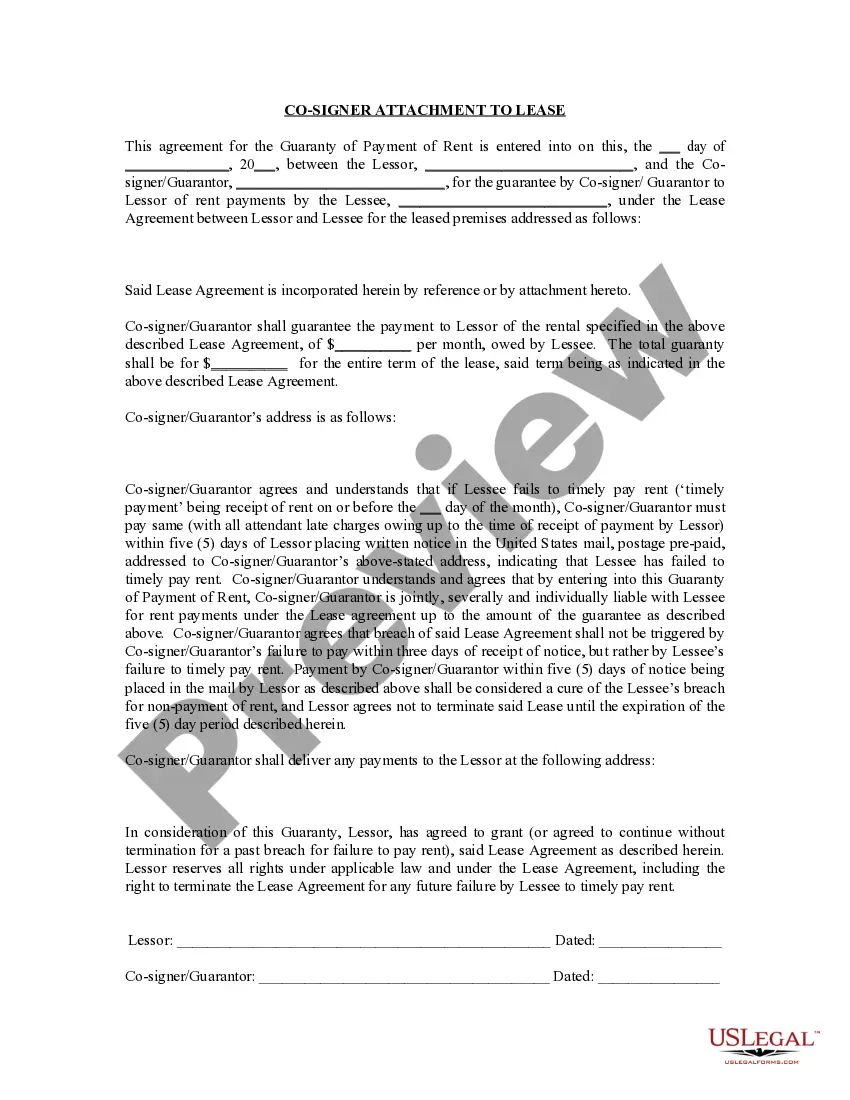
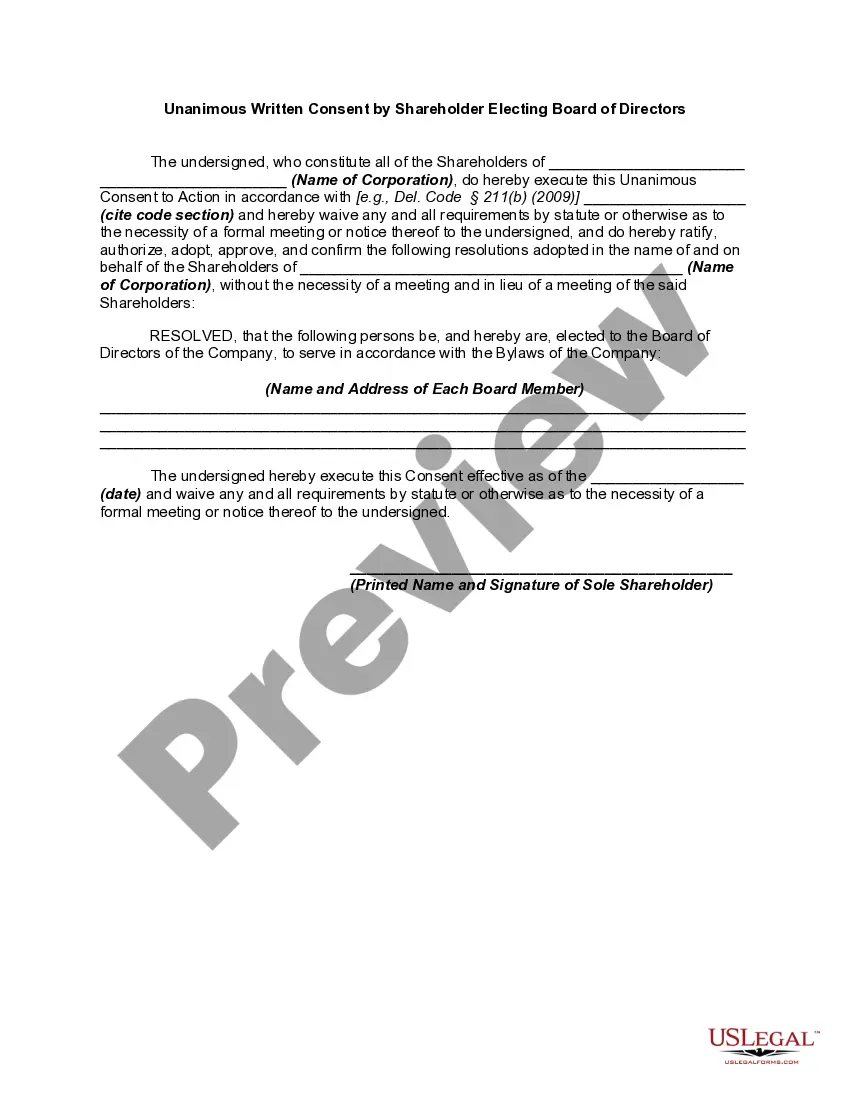
Form popularity
FAQ
Of the three types of liens (consensual, statutory, and judgment), the judgment lien is the most dangerous form, but one which the informed business owner may be able to eliminate. A judicial lien is created when a court grants a creditor an interest in the debtor's property, after a court judgment.
A mortgage is a specific, voluntary lien. It is specific to the piece of property and is voluntary because it was agreed to by the property owner. A judgment lien is an example of a general, involuntary lien. Judgment liens can be applied against any of an individual's assets.
Tells all parties in a case that a lien is created against any judgment or settlement in the case by a judgment or order in another case.
A mortgage is a specific, voluntary lien. It is specific to the piece of property and is voluntary because it was agreed to by the property owner. A judgment lien is an example of a general, involuntary lien. Judgment liens can be applied against any of an individual's assets.
Even though sending a Notice of Intent to Lien is not required by California's mechanics lien laws, they are frequently successful at producing payment (without having to take the next step of filing a lien).
To do this, fill out an EJ-001 Abstract of Judgment form and take it to the clerk's office. After the clerk stamps it, record it at the County Recorder's Office in the county where the property is located. Place a lien on a business.
You do not have to have a contract to file a mechanic's lien. However, you do need to be a licensed contractor. If you are licensed, then you can record the lien within 90 days of finishing the project, regardless of whether you had a written contract.
Tells all parties in a case that a lien is created against any judgment or settlement in the case by a judgment or order in another case. Get form EJ-185.
To determine if a lien has been filed against you, come into the Office of the Clerk Recorder or online at . The website will allow you search the index. ing to California State Law, documents can only be viewed in the Clerk Recorder office.
An involuntary lien can occur without your knowledge, depending on the circumstances. A creditor often places a judgment lien after suing you and winning the case.

