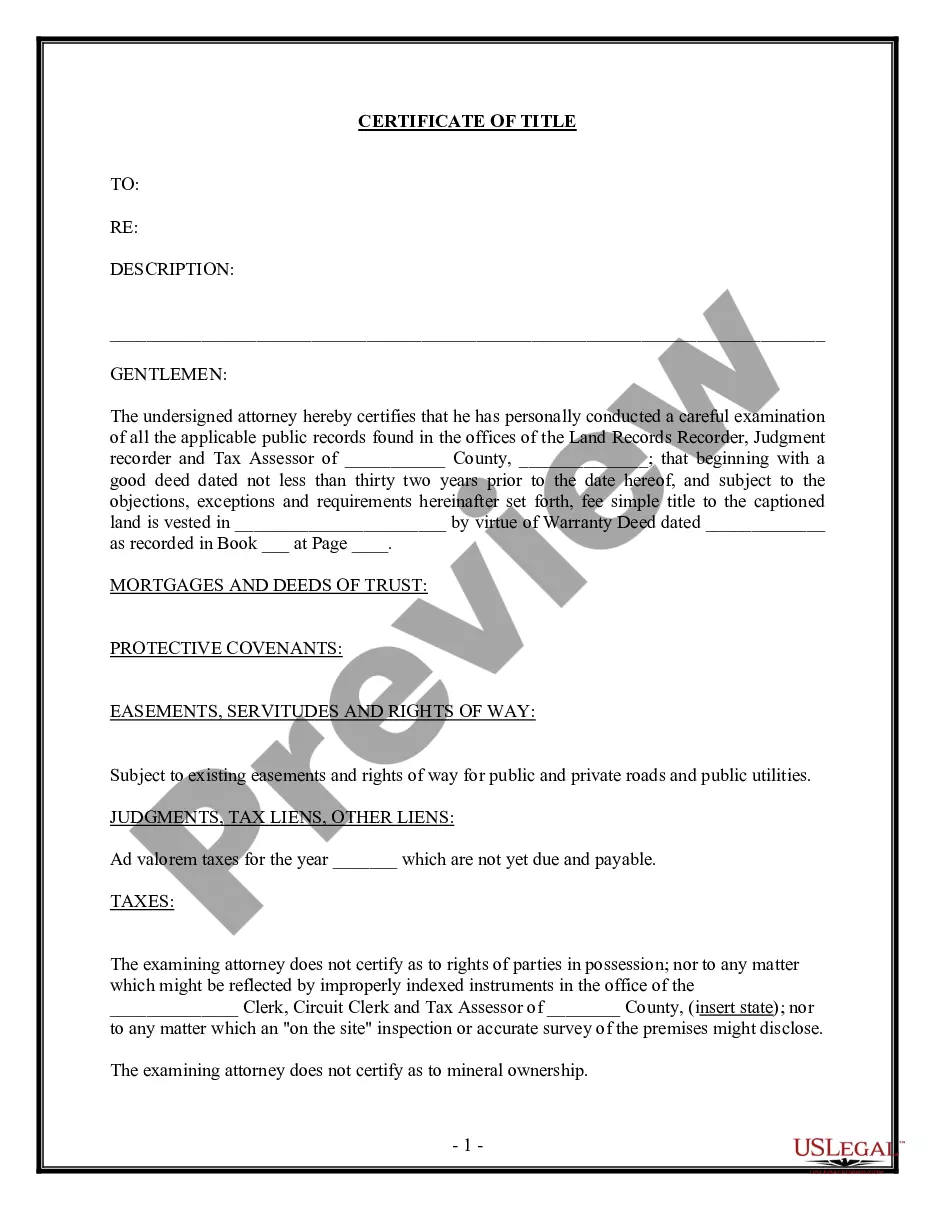
Judgment Against Property With No In Broward
Description




Get your form ready online
Our built-in tools help you complete, sign, share, and store your documents in one place.
Make edits, fill in missing information, and update formatting in US Legal Forms—just like you would in MS Word.
Download a copy, print it, send it by email, or mail it via USPS—whatever works best for your next step.
Sign and collect signatures with our SignNow integration. Send to multiple recipients, set reminders, and more. Go Premium to unlock E-Sign.
If this form requires notarization, complete it online through a secure video call—no need to meet a notary in person or wait for an appointment.
We protect your documents and personal data by following strict security and privacy standards.

Make edits, fill in missing information, and update formatting in US Legal Forms—just like you would in MS Word.

Download a copy, print it, send it by email, or mail it via USPS—whatever works best for your next step.

Sign and collect signatures with our SignNow integration. Send to multiple recipients, set reminders, and more. Go Premium to unlock E-Sign.

If this form requires notarization, complete it online through a secure video call—no need to meet a notary in person or wait for an appointment.

We protect your documents and personal data by following strict security and privacy standards.
Looking for another form?








Form popularity
FAQ
A person can avoid paying a civil judgment with their earnings if they qualify as the head of household. The Florida statute defines earnings as wages, salary, commission, or bonus. Other types of earnings for labor have been held to also qualify for the head of household exemption.
Florida Statute of Limitations on a Judgment Lasts 20 Years. Until recently, there has been some debate on this litigation question caused by the interpretation of some Courts that a Florida judgment is subject to a five year statute of limitations. However, the Florida Supreme Court, in Salinas v.
Article X, Section 4 of Florida's constitution protects Florida homestead property from creditor judgments. The homestead exemption is the most protected asset from creditors in the entire country. The homestead exemption protects a person's primary residence from forced sale by judgment creditors.
The concept of “nonexempt property” appears in the context of Chapter 7 bankruptcy proceedings and refers to property of the debtor's estate that does not qualify for a statutory exemption .
Q: Where can I find judgments, filings, complaints, and divorce decrees (orders), or other case documents or information? A: You must contact the clerk's office at the court where your case was handled. You may find trial court clerks' phone numbers, street addresses, and website addresses through .flclerks.
Florida Statute of Limitations on a Judgment Lasts 20 Years. Until recently, there has been some debate on this litigation question caused by the interpretation of some Courts that a Florida judgment is subject to a five year statute of limitations. However, the Florida Supreme Court, in Salinas v.
The sheriff's department can seize: Personal property: movable things (e.g., cars, horses, boats, furniture, jewelry) owned by the debtor. Real property: land and buildings owned by the debtor.
The sheriff's department can seize: Personal property: movable things (e.g., cars, horses, boats, furniture, jewelry) owned by the debtor. Real property: land and buildings owned by the debtor.
Final judgments issued in Florida are the culmination of a lawsuit. They can come at the end of the process from a trial or beforehand through certain procedural mechanisms like default or summary judgment or from an unperformed settlement agreement.
The statute of limitations on court judgments ranges from three years (Oklahoma) to 21 years (Ohio), with most states somewhere around 10 years.