Judgment Note Form For Immigration In Arizona
Description




Get your form ready online
Our built-in tools help you complete, sign, share, and store your documents in one place.
Make edits, fill in missing information, and update formatting in US Legal Forms—just like you would in MS Word.
Download a copy, print it, send it by email, or mail it via USPS—whatever works best for your next step.
Sign and collect signatures with our SignNow integration. Send to multiple recipients, set reminders, and more. Go Premium to unlock E-Sign.
If this form requires notarization, complete it online through a secure video call—no need to meet a notary in person or wait for an appointment.
We protect your documents and personal data by following strict security and privacy standards.

Make edits, fill in missing information, and update formatting in US Legal Forms—just like you would in MS Word.

Download a copy, print it, send it by email, or mail it via USPS—whatever works best for your next step.

Sign and collect signatures with our SignNow integration. Send to multiple recipients, set reminders, and more. Go Premium to unlock E-Sign.

If this form requires notarization, complete it online through a secure video call—no need to meet a notary in person or wait for an appointment.

We protect your documents and personal data by following strict security and privacy standards.
Looking for another form?




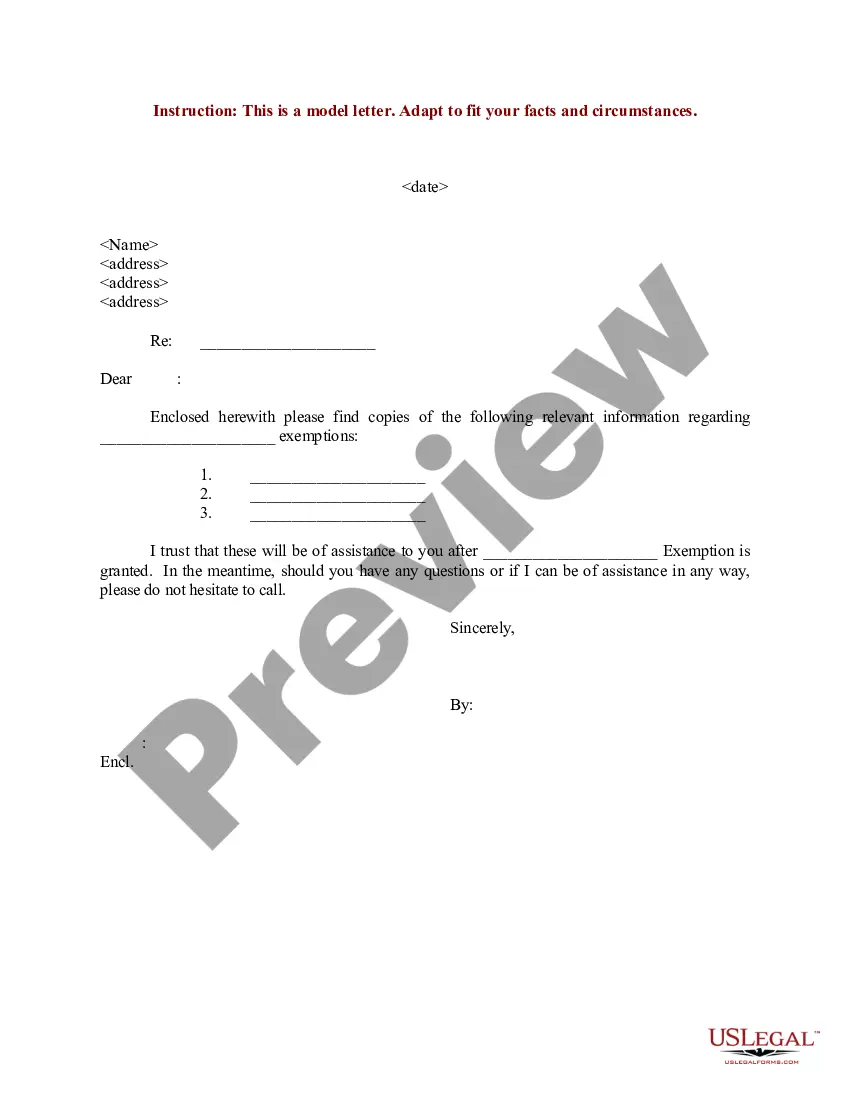

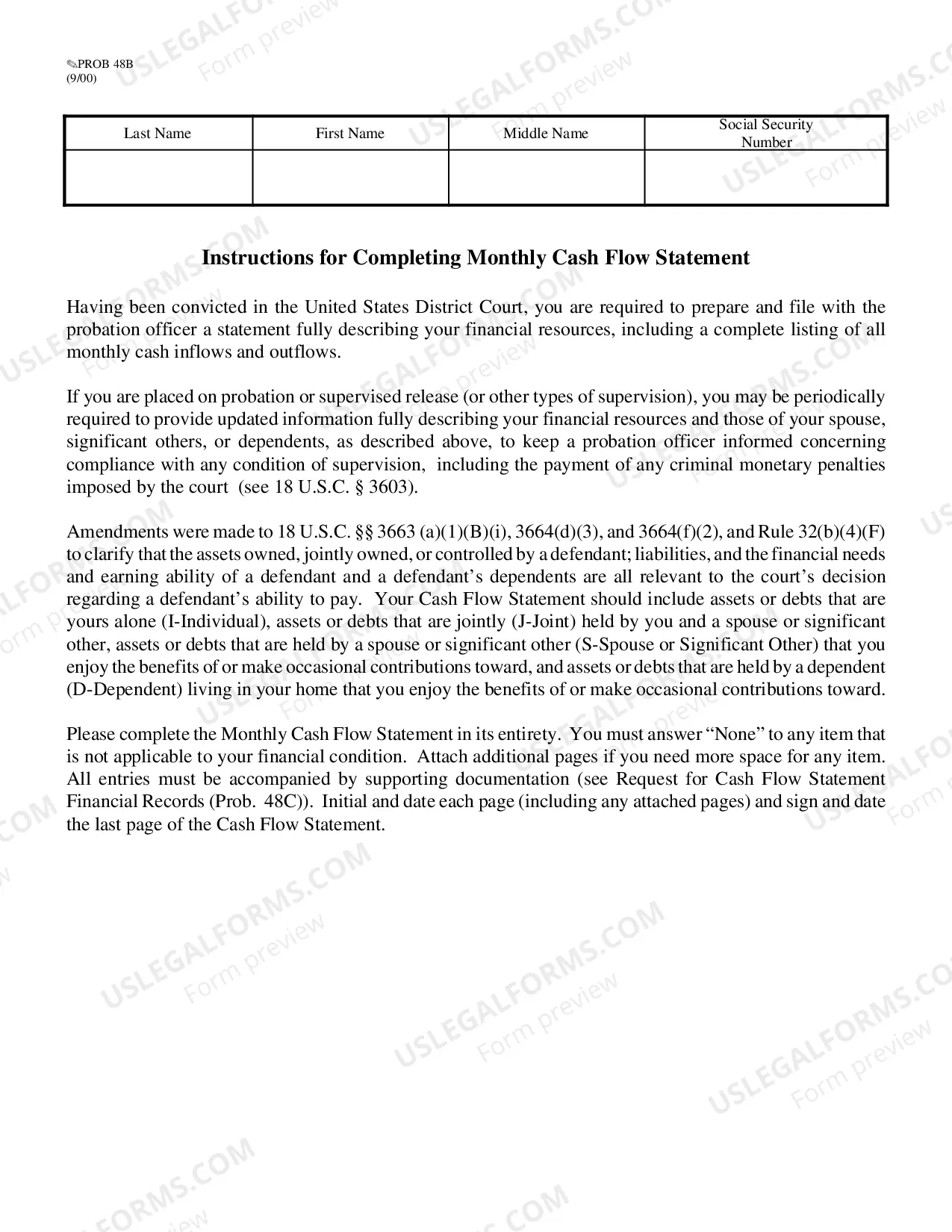


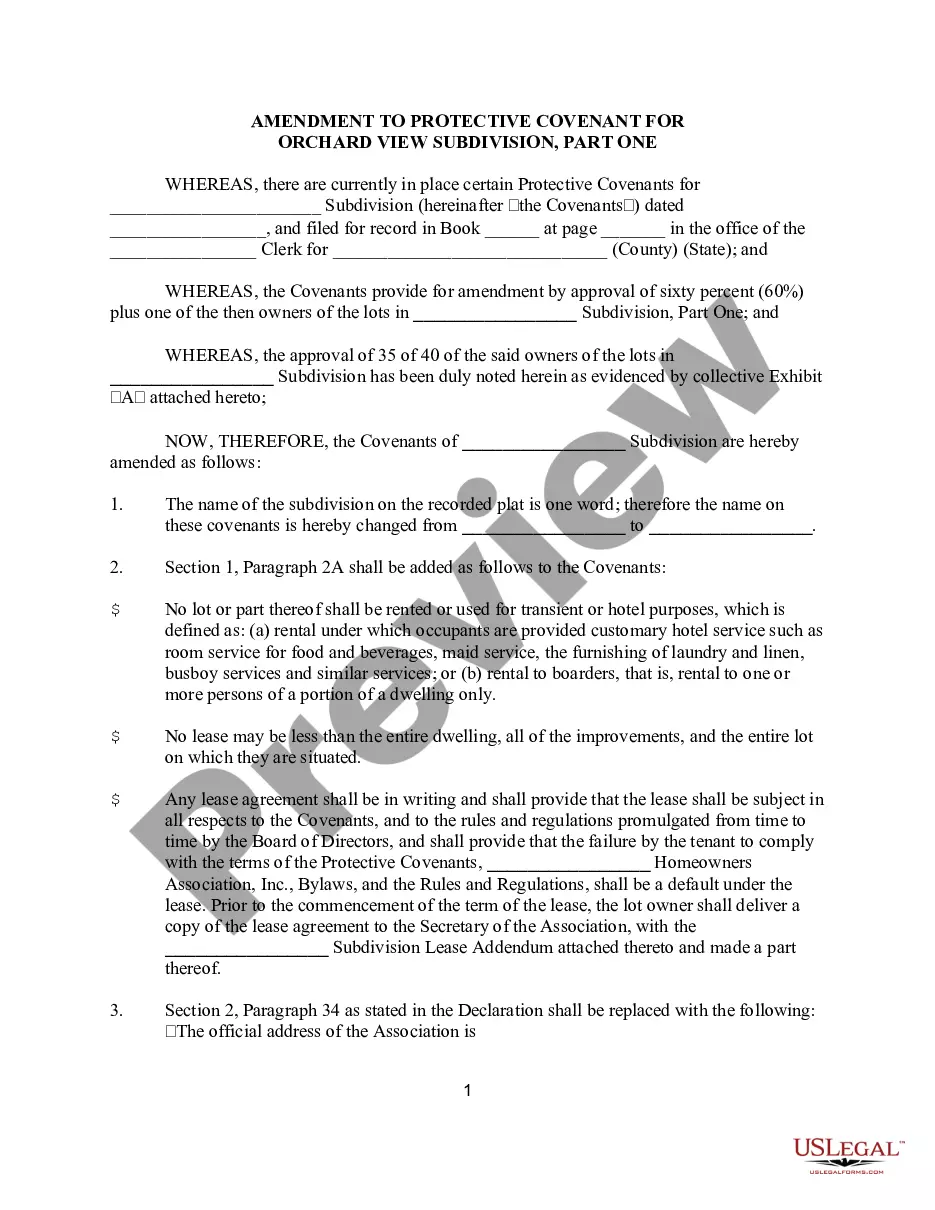
Form popularity
FAQ
Rule 55 - Default; Default Judgment (a)Entering a Default (1)Generally. If a party against whom a judgment for affirmative relief is sought has failed to plead or otherwise defend as provided in these rules, default may be obtained under the procedures set forth in this rule.
During a trial in Arizona, a defense attorney may ask for a Rule 11 evaluation of his or her client. Under Rule 11, the defendant has the right to a full mental examination and hearing when reasonable grounds exist for it. A Rule 11 hearing may be held when a defendant is suspected of being mentally incompetent.
When a person fails to answer a complaint it is called default. After the required period of time has passed a person can file for a default judgment asking the judge to decided the case even though the other person has failed to answer.
Collection Methods There are 2 primary methods to collect a debt: Writ of Garnishment or Writ of Execution. Writ of Garnishment is often referred to as garnishing a debtor's wages. A written notice is served to both the debtor and the debtor's employer or financial institution.
A civil action filed in a limited jurisdiction court is a claim against another party for damages of an amount up to $10,000.00. These lawsuits are designed to resolve civil disputes before a justice of the peace. Parties in a civil lawsuit may be represented by attorneys and appeal their case to a higher court.
All judgments must be in writing, and the court must mail copies to all parties. The judgment must clearly state the determination of the rights of the parties. The judgment is due and payable immediately after the judgment is rendered by the justice of the peace or a hearing officer in small claims court.
General Limits Classification of CrimeTime Limits Petty Offenses 6 months Misdemeanors 1 year Felonies in Classes Two Through Six 7 years
In Arizona, judgments entered in other states are known as “foreign” judgments. Foreign judgments are subject to Arizona's four (4) year statute of limitations.
Enforcement of a Foreign Judgment in the U.S. Under U.S. law, an individual seeking to enforce a foreign judgment, decree or order in this country must file suit before a competent court. The court will determine whether to recognize and enforce the foreign judgment.
A final judgment must be signed by a justice of the peace or hearing officer and filed with the court. All judgments must be in writing, and the court must mail copies to all parties. The judgment must clearly state the determination of the rights of the parties.

