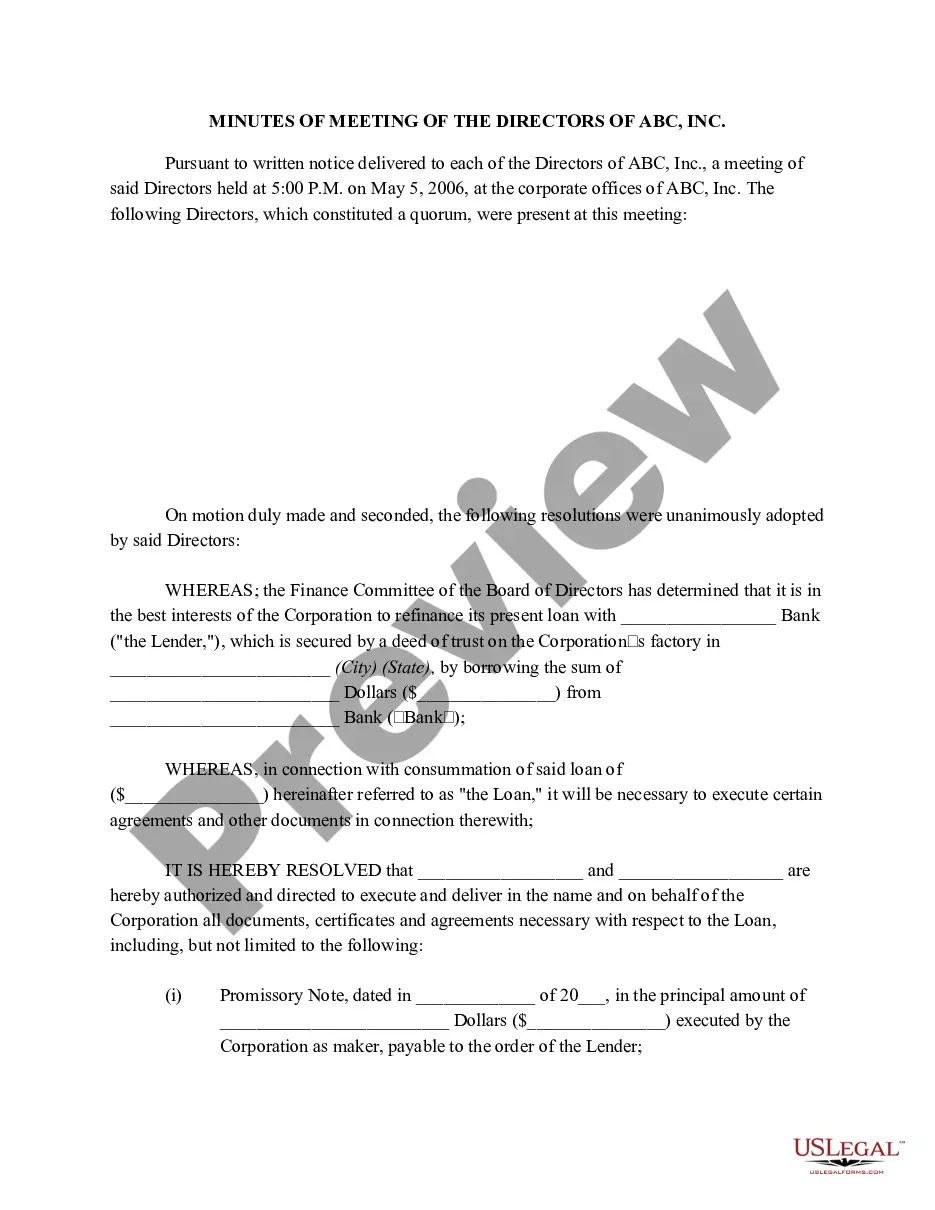
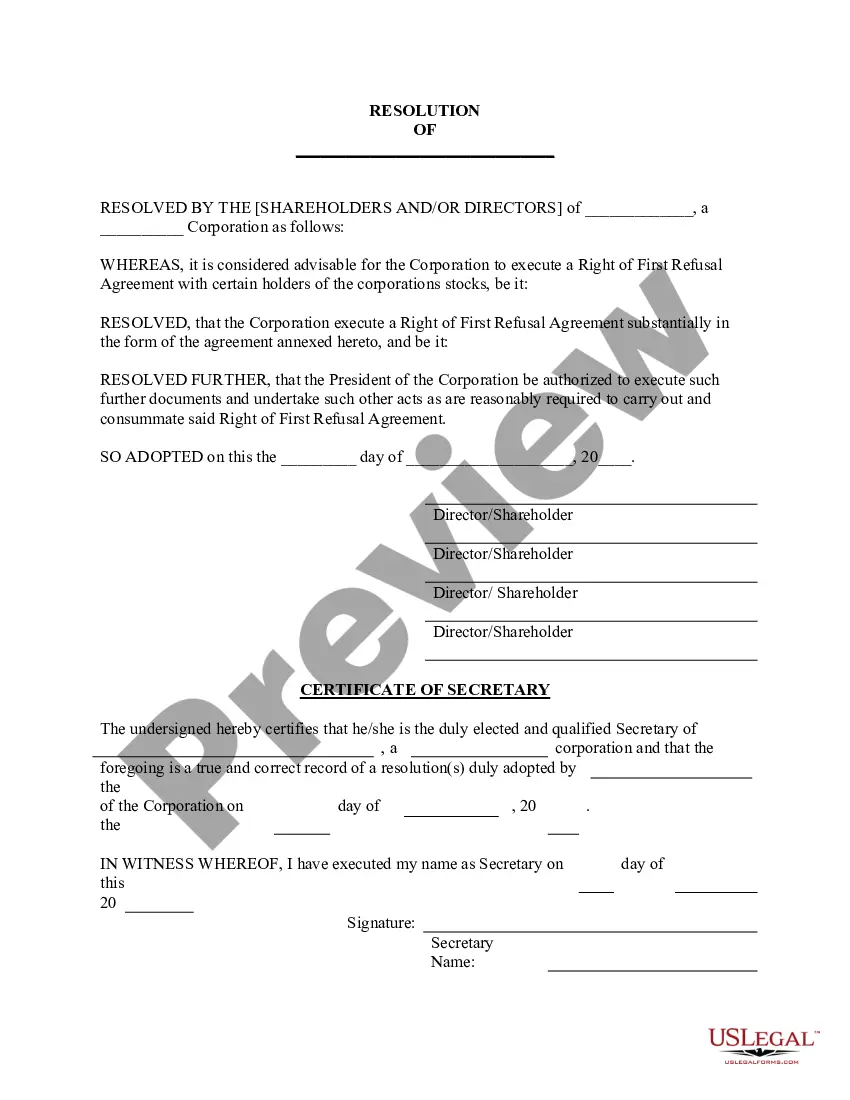
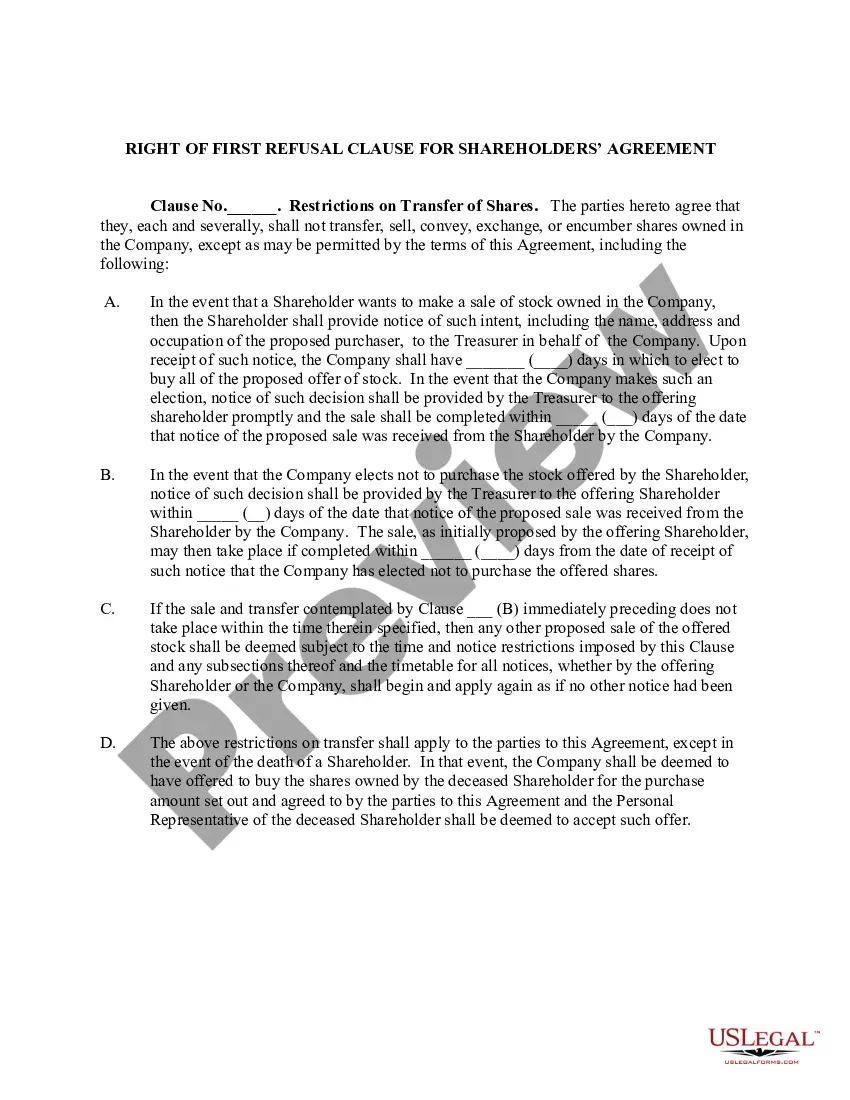
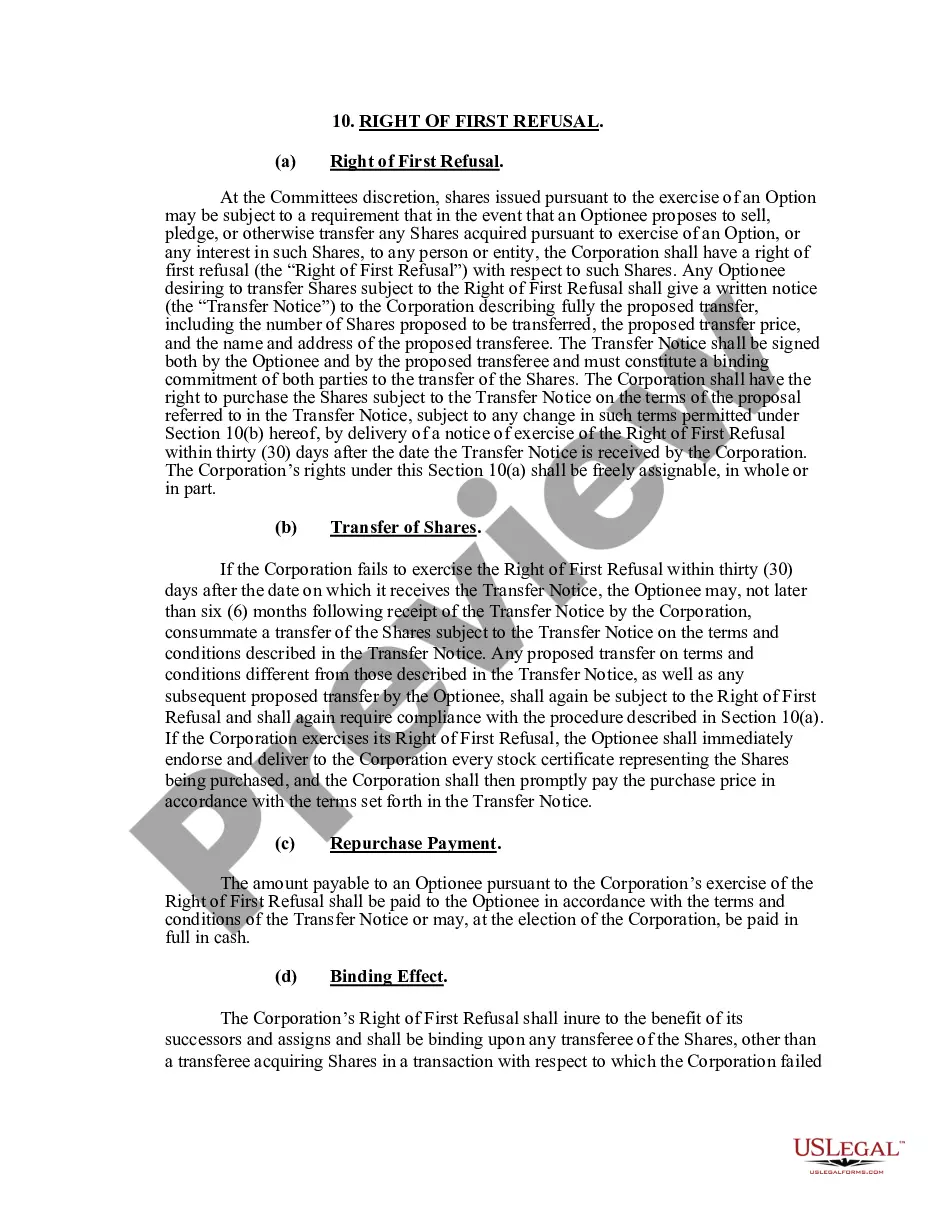
Corporate Refusal For 501 In Salt Lake
Description
Get your form ready online
Our built-in tools help you complete, sign, share, and store your documents in one place.
Make edits, fill in missing information, and update formatting in US Legal Forms—just like you would in MS Word.
Download a copy, print it, send it by email, or mail it via USPS—whatever works best for your next step.
Sign and collect signatures with our SignNow integration. Send to multiple recipients, set reminders, and more. Go Premium to unlock E-Sign.
If this form requires notarization, complete it online through a secure video call—no need to meet a notary in person or wait for an appointment.
We protect your documents and personal data by following strict security and privacy standards.

Make edits, fill in missing information, and update formatting in US Legal Forms—just like you would in MS Word.

Download a copy, print it, send it by email, or mail it via USPS—whatever works best for your next step.

Sign and collect signatures with our SignNow integration. Send to multiple recipients, set reminders, and more. Go Premium to unlock E-Sign.

If this form requires notarization, complete it online through a secure video call—no need to meet a notary in person or wait for an appointment.

We protect your documents and personal data by following strict security and privacy standards.
Looking for another form?




Form popularity
FAQ
In order to become a tax-exempt nonprofit, one must file for tax-exempt status. This is a difficult process and professional help is often recommended. The most common way to become a tax-exempt nonprofit is by establishing the organization as a section 501(c)(3) entity with the IRS.
Nonprofits with annual revenue of less than $200,000 and assets valued at less than $500,000 may file the Form 990-EZ, or may elect to file the Form 990. Nonprofits with annual revenue of $500,000 or more must file the Form 990.
You can dissolve by completing the Articles of Dissolution. There are 2 forms: one for after shares are issued and one for prior to shares being issued. You will need to pick the one that best suits your corporation.
Most importantly, organizations that hold 501(c)(3) status must not serve any private interests, and their earnings must be used for charitable purposes only. In addition, all assets are permanently dedicated to a charitable purpose.
Under California and Federal law, it is possible for a for-profit corporation to convert to a nonprofit entity. This conversion really has two components: i) making the change for state law entity purposes, and ii) seeking and obtaining tax exempt status for the now, nonprofit entity.
A domestic corporation must file Form 1120, U.S. Corporation Income Tax Return, whether it has taxable income or not, unless it's exempt from filing under section 501.
Every C corporation incorporated in Utah (domestic), qualified in Utah (foreign), or doing business in Utah, whether qualified or not, must file a corporate franchise tax return. C corpora- tion returns are filed on form TC-20.
You must file a TC-40 return if you: are a Utah resident or part-year resident who must file a federal return, are a nonresident or part-year resident with income from Utah sources who must file a federal return, or. want a refund of any income tax overpaid.
Yes, it is possible to sue a charity by bringing breach of contract actions. Like any other legal entity, a charity can enter into contracts and can be held liable for any breaches of those contracts. A breach of contract occurs when one party fails to fulfill its obligations under the contract.