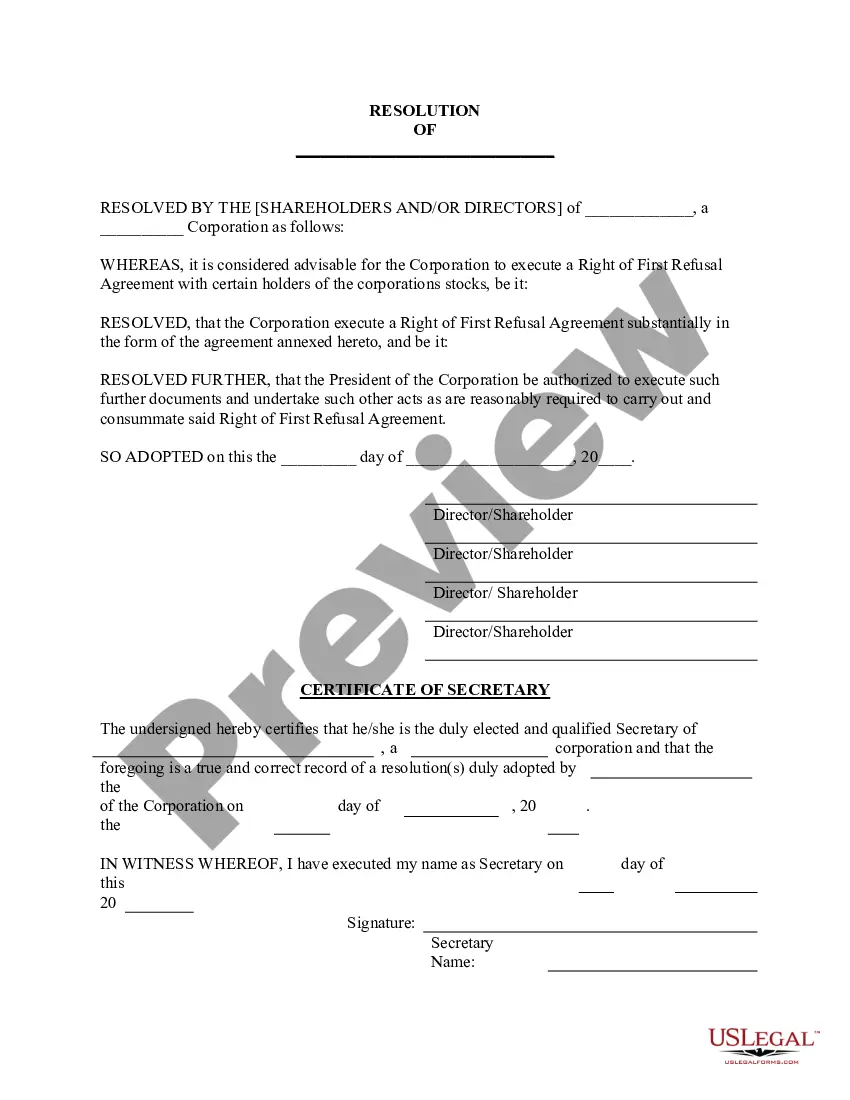
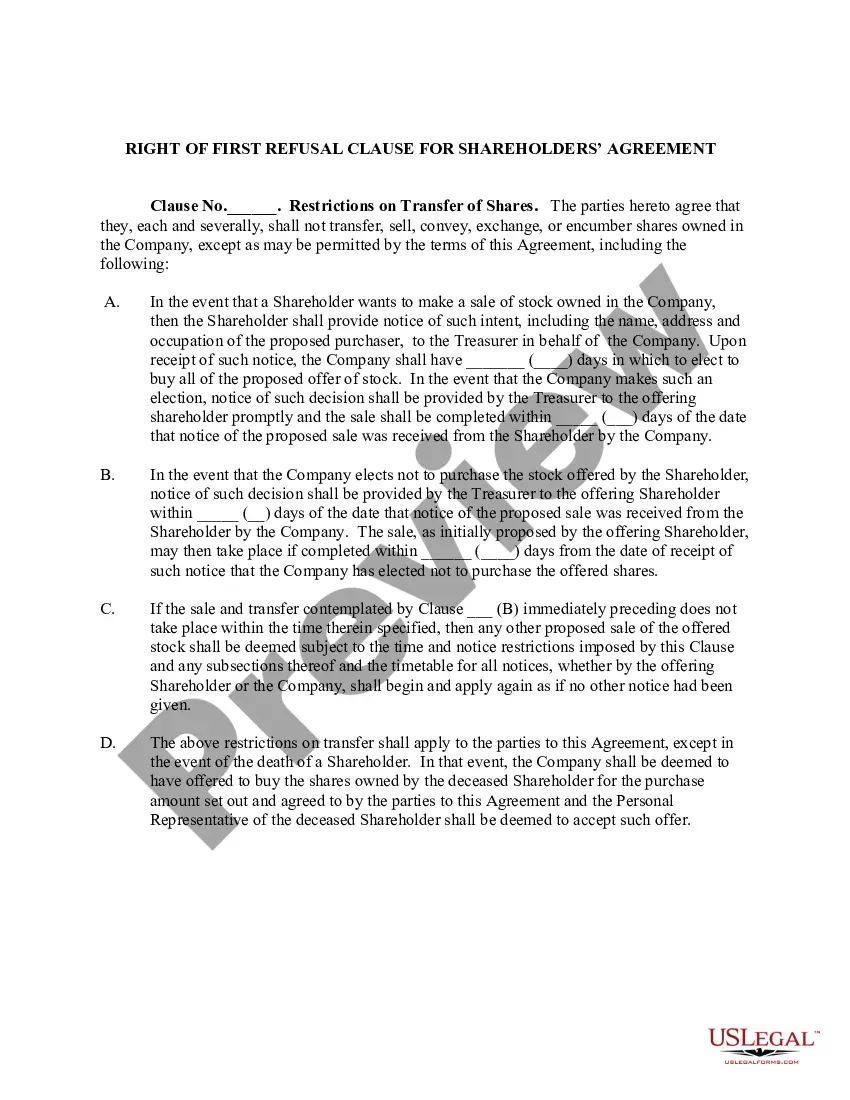
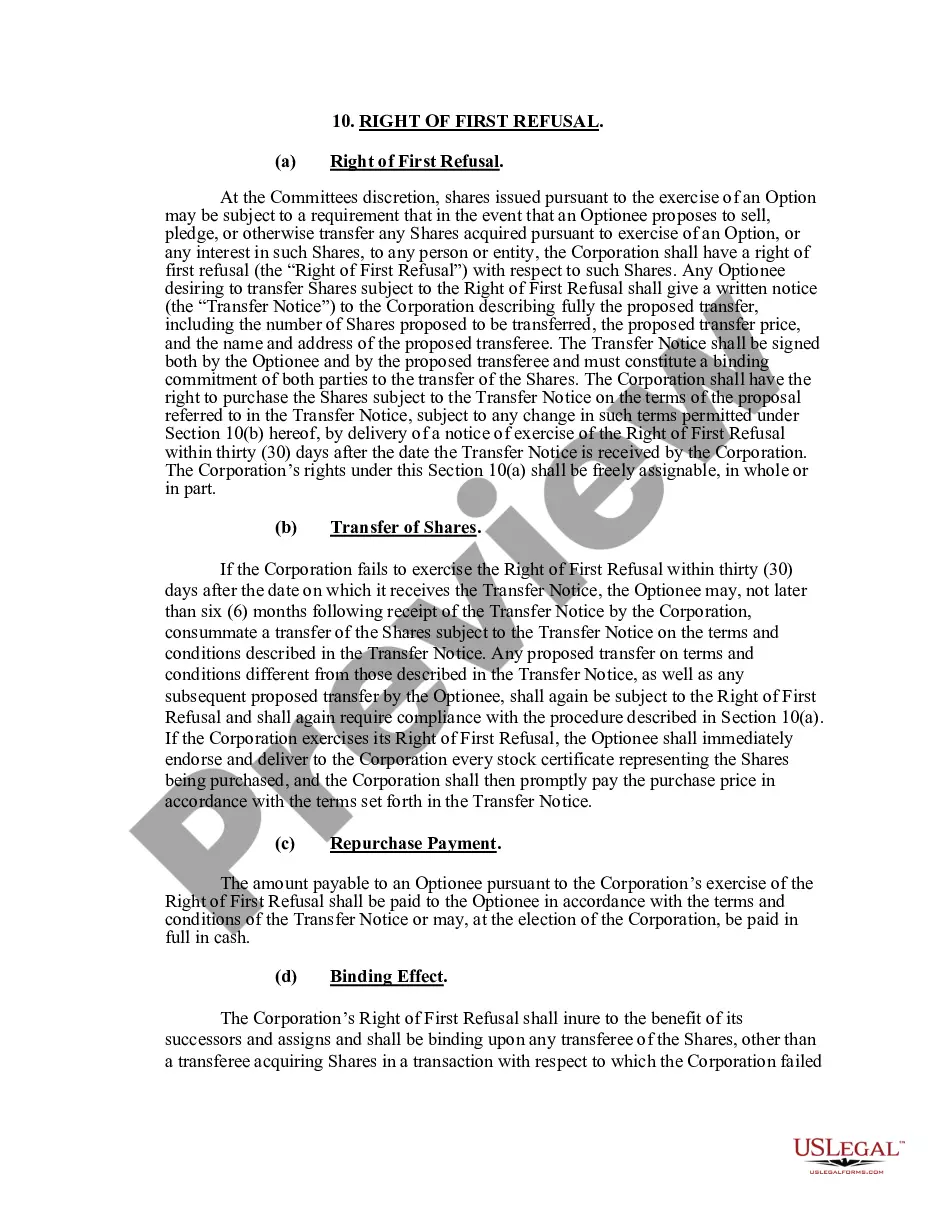
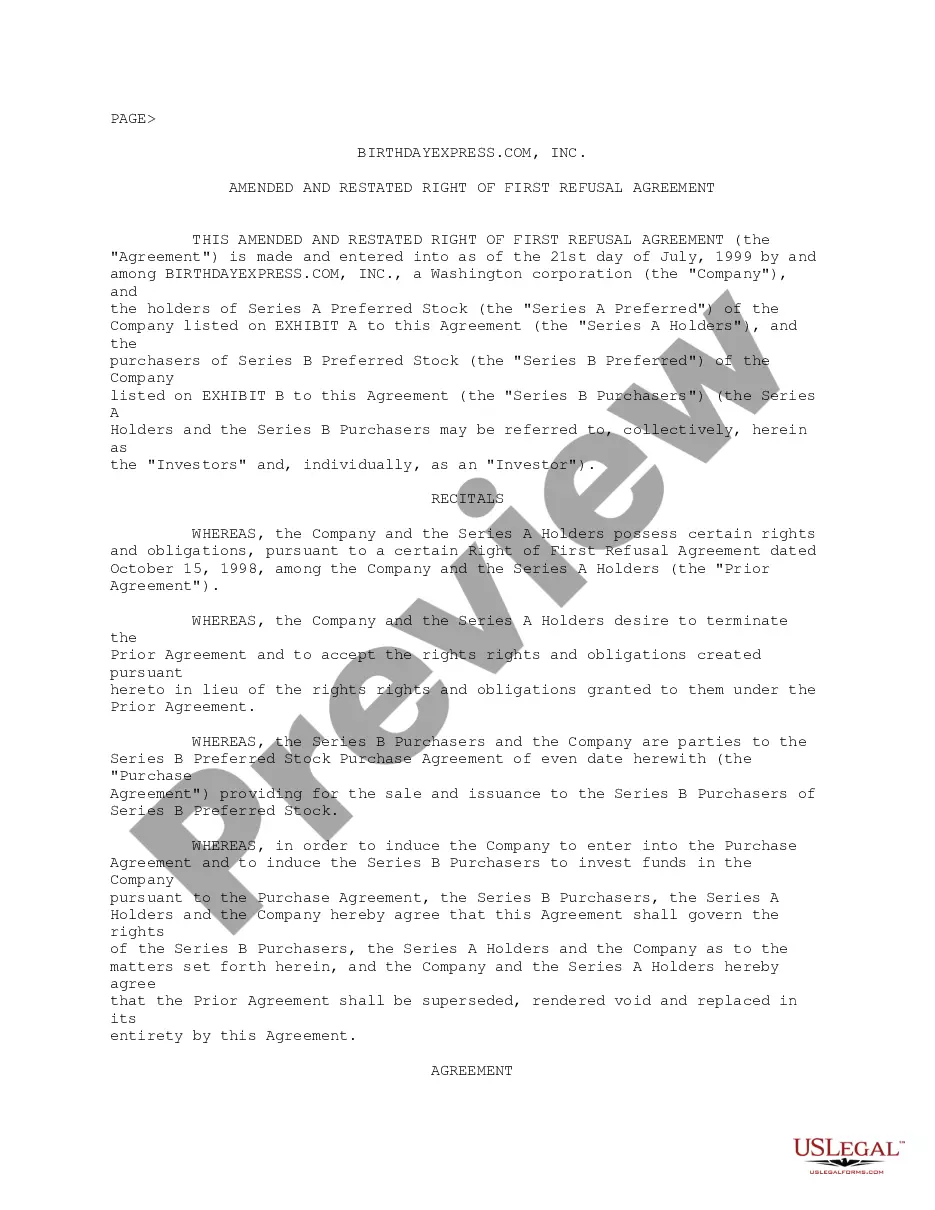
Corporate Refusal Within A Contract In Illinois
Description
Get your form ready online
Our built-in tools help you complete, sign, share, and store your documents in one place.
Make edits, fill in missing information, and update formatting in US Legal Forms—just like you would in MS Word.
Download a copy, print it, send it by email, or mail it via USPS—whatever works best for your next step.
Sign and collect signatures with our SignNow integration. Send to multiple recipients, set reminders, and more. Go Premium to unlock E-Sign.
If this form requires notarization, complete it online through a secure video call—no need to meet a notary in person or wait for an appointment.
We protect your documents and personal data by following strict security and privacy standards.

Make edits, fill in missing information, and update formatting in US Legal Forms—just like you would in MS Word.

Download a copy, print it, send it by email, or mail it via USPS—whatever works best for your next step.

Sign and collect signatures with our SignNow integration. Send to multiple recipients, set reminders, and more. Go Premium to unlock E-Sign.

If this form requires notarization, complete it online through a secure video call—no need to meet a notary in person or wait for an appointment.

We protect your documents and personal data by following strict security and privacy standards.
Looking for another form?








Form popularity
FAQ
You are required to be given a three day right to cancel a home repair contract if: the sale of services or merchandise involves $25 or more, and • the contract is signed when the salesperson or contractor is physically present in your residence.
Under Illinois law, there are four elements to a breach of contract claim: (1) the existence of a valid and enforceable contract; (2) performance by the plaintiff; (3) breach of contract by the defendant; and (4) resultant injury to the plaintiff.
Breach of contract is a common type of business litigation in Illinois, occurring when one party fails to fulfill their obligations under a valid agreement.
Determining where, when, and how to file a claim for breach of contract can be challenging in civil law. Contract law is also a complicated body of laws. There are several factors to consider when deciding how and where to file a breach of contract case.
Affirmative defenses such as lack of capacity, duress, fraud, misrepresentation, undue influence, and mistake of fact all relate to the issue of mutual consent and make a contract voidable. The burden of pleading and proving such defenses rests on the party asserting them.
A breach of contract is when one party to the contract doesn't do what they agreed. Breach of contract happens when one party to a valid contract fails to fulfill their side of the agreement. If a party doesn't do what the contract says they must do, the other party can sue.
Once the plaintiff proves that a valid contract existed, they must show that they upheld their part. After that, the plaintiff must show that the defendant did not fulfill their obligations. And finally there must be evidence of actual damages that the plaintiff suffered as a result.
Unlike standard defenses that merely deny the plaintiff's claims, affirmative defenses introduce new evidence or arguments that, even if the plaintiff's claims are true, provide a legal basis for dismissing or minimizing the breach.
Common Defenses in Breach of Contract Cases In Writing. Some contracts, including those involving real property, are required to be in writing. Indefinite. Mistake. Lack of Capacity. Fraudulent Inducement. Unconscionable. Illegality. Duress.