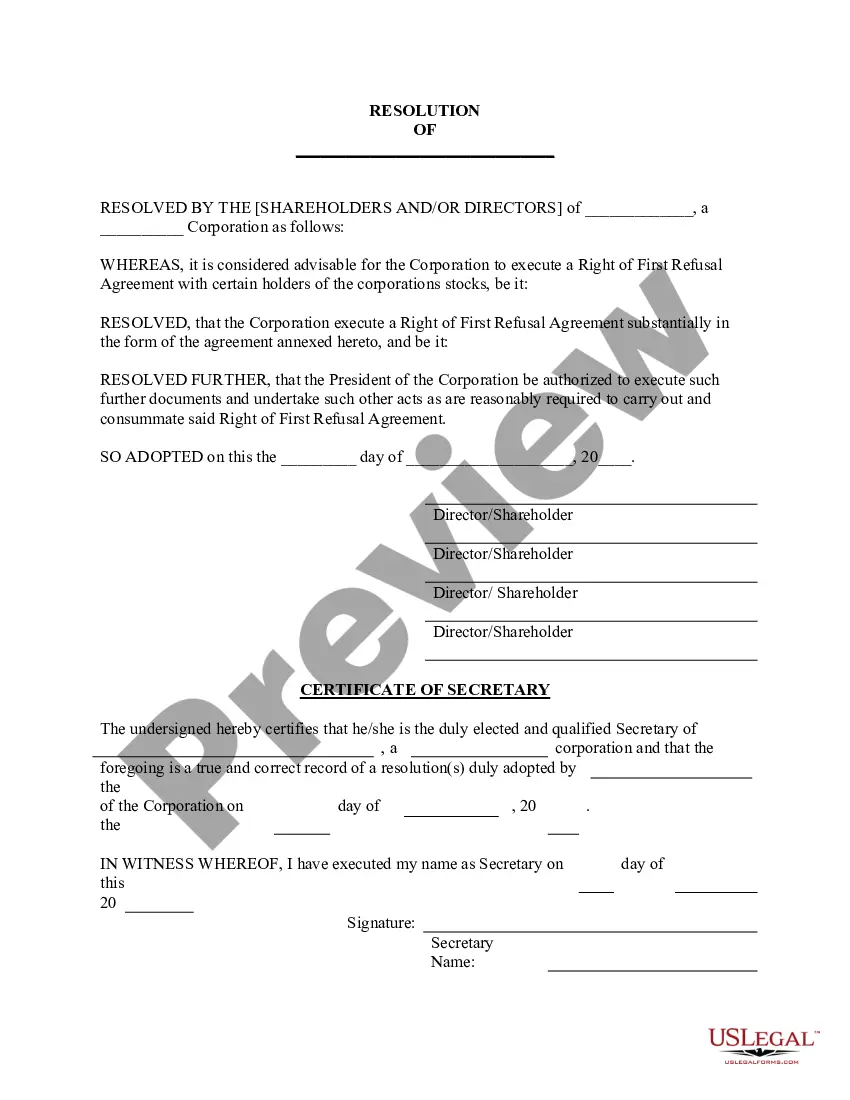
Corporate Refusal Within A Contract In Harris
Description
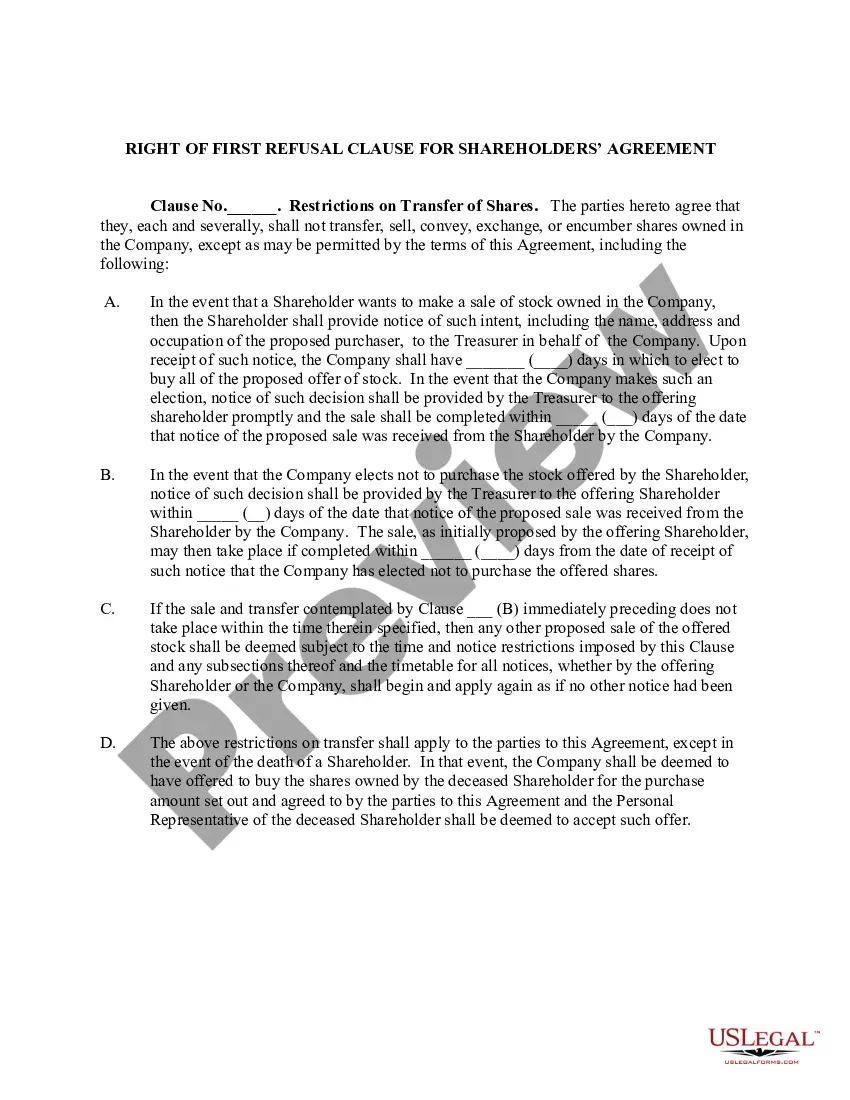
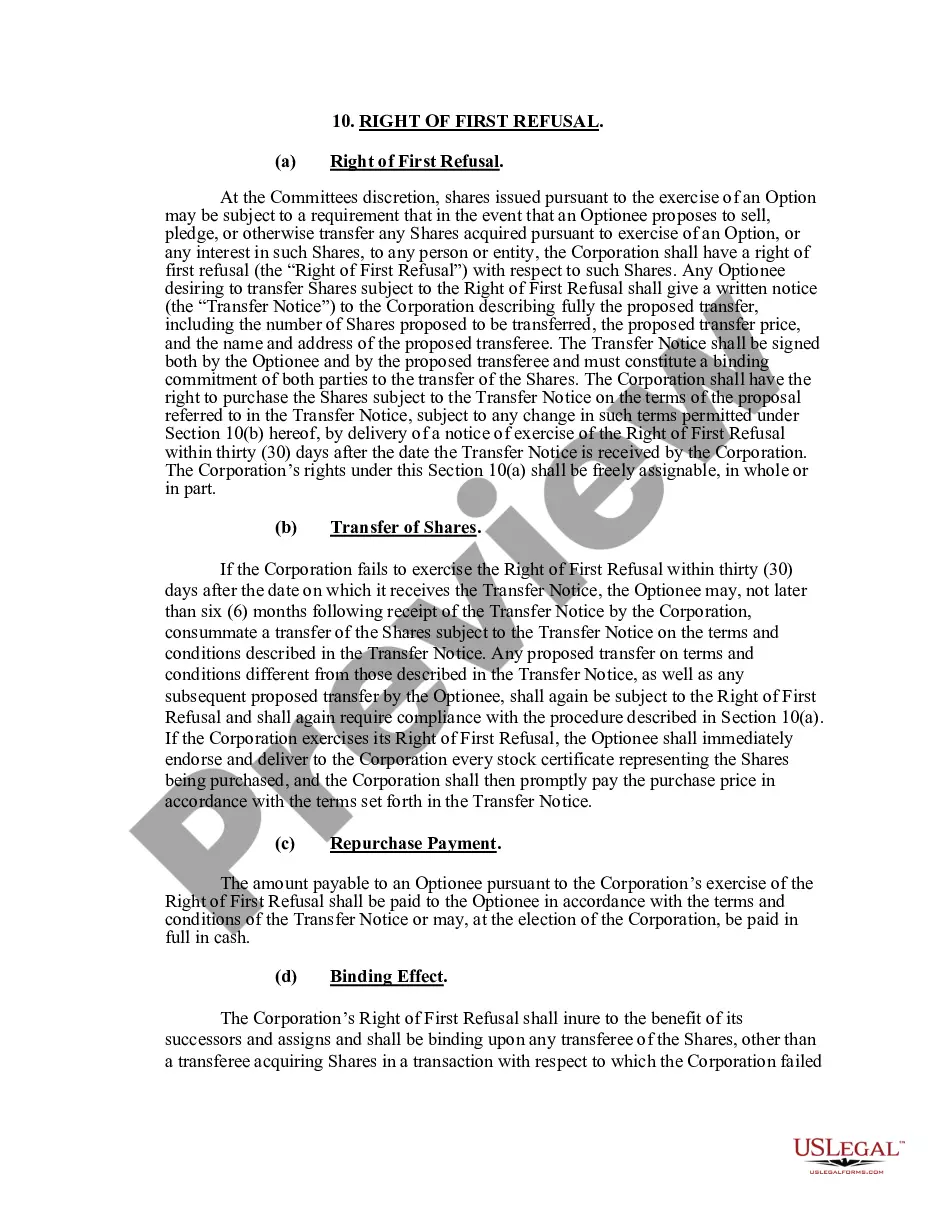
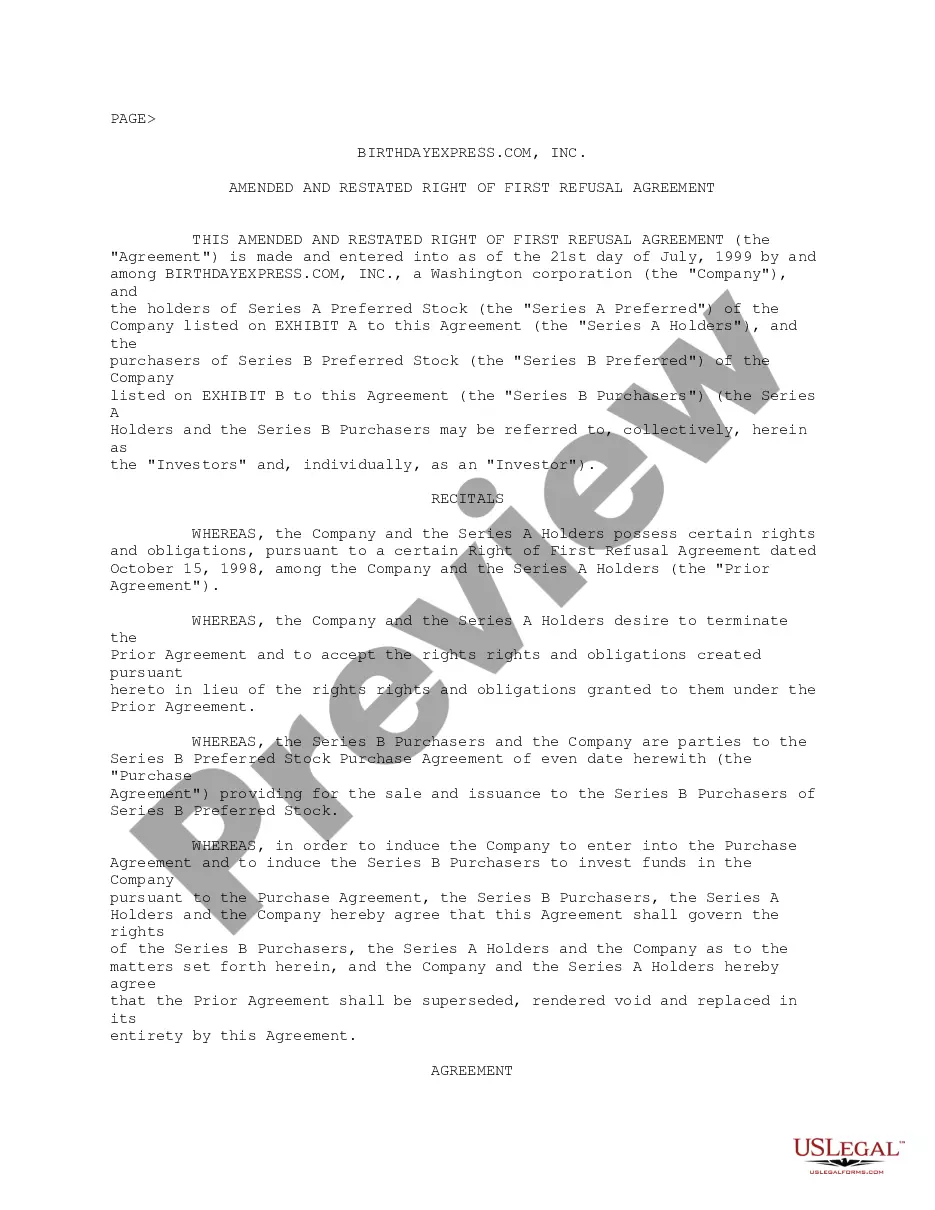
Get your form ready online
Our built-in tools help you complete, sign, share, and store your documents in one place.
Make edits, fill in missing information, and update formatting in US Legal Forms—just like you would in MS Word.
Download a copy, print it, send it by email, or mail it via USPS—whatever works best for your next step.
Sign and collect signatures with our SignNow integration. Send to multiple recipients, set reminders, and more. Go Premium to unlock E-Sign.
If this form requires notarization, complete it online through a secure video call—no need to meet a notary in person or wait for an appointment.
We protect your documents and personal data by following strict security and privacy standards.

Make edits, fill in missing information, and update formatting in US Legal Forms—just like you would in MS Word.

Download a copy, print it, send it by email, or mail it via USPS—whatever works best for your next step.

Sign and collect signatures with our SignNow integration. Send to multiple recipients, set reminders, and more. Go Premium to unlock E-Sign.

If this form requires notarization, complete it online through a secure video call—no need to meet a notary in person or wait for an appointment.

We protect your documents and personal data by following strict security and privacy standards.
Looking for another form?

Form popularity
FAQ
In real estate, the right of first refusal is a clause in a contract that gives a prioritized, interested party the right to make the first offer on a house before the owner can negotiate with other prospective buyers.
A right of first refusal is a serious detriment to the value and marketability of property and often leads to litigation. In most situations you should avoid granting rights of first refusal if at all possible.
A right of first refusal is a contractual right giving its holder the option to match or decline to match an offer on an asset before the owner can sell it to someone else. The ROFR assures the holder that they will not lose their right to an asset if others express interest in it.
A right of first refusal stipulation in a contract, lease agreement, or other formal real estate property agreement grants its holder the first opportunity to make an offer on a property and buy it if it goes on the market.
In a right of first refusal, the equity owner has to negotiate and set terms with the potential buyer first. In a right of first offer, the owner must negotiate first with the company before finding a third-party to buy that equity.
In real estate, the right of first refusal is a clause in a contract that gives a prioritized, interested party the right to make the first offer on a house before the owner can negotiate with other prospective buyers.
A right of first refusal clause could apply to family members of the property owner. If an owner decides to sell a property, the ROFR stipulates that named relatives, like children or siblings, may have the first opportunity to buy the property and make an offer.