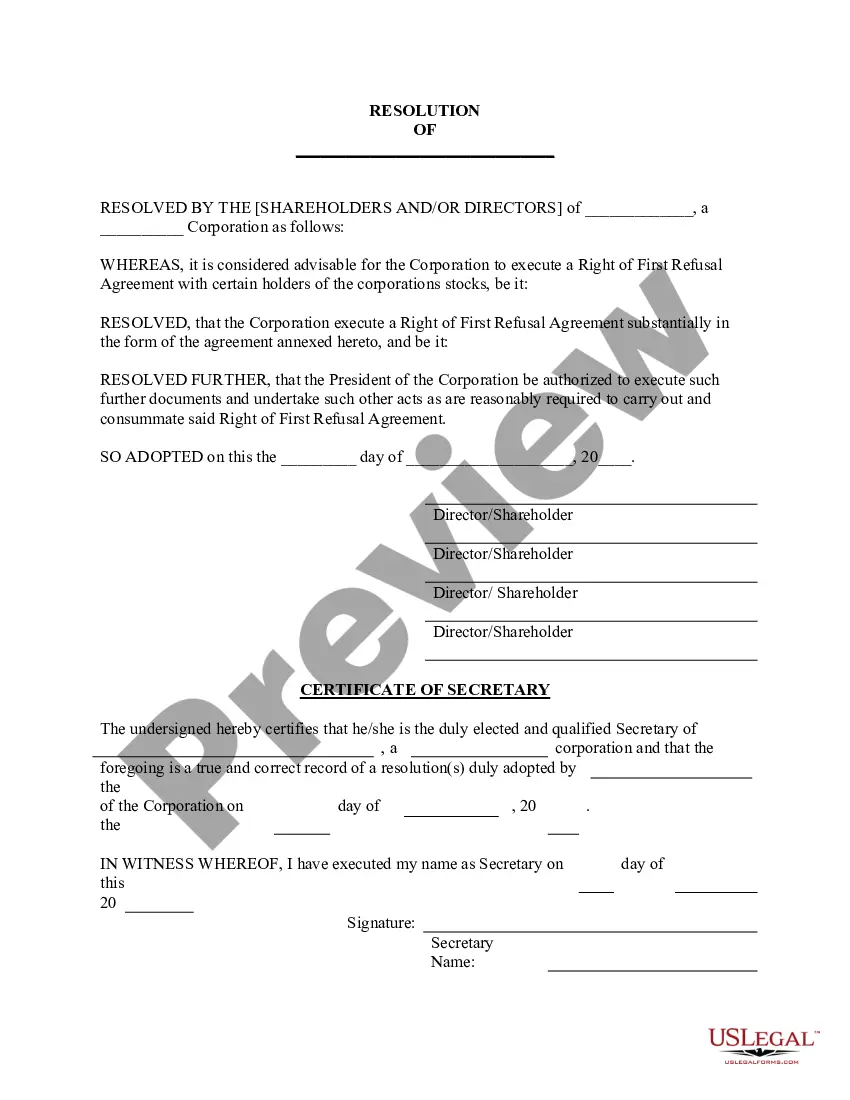
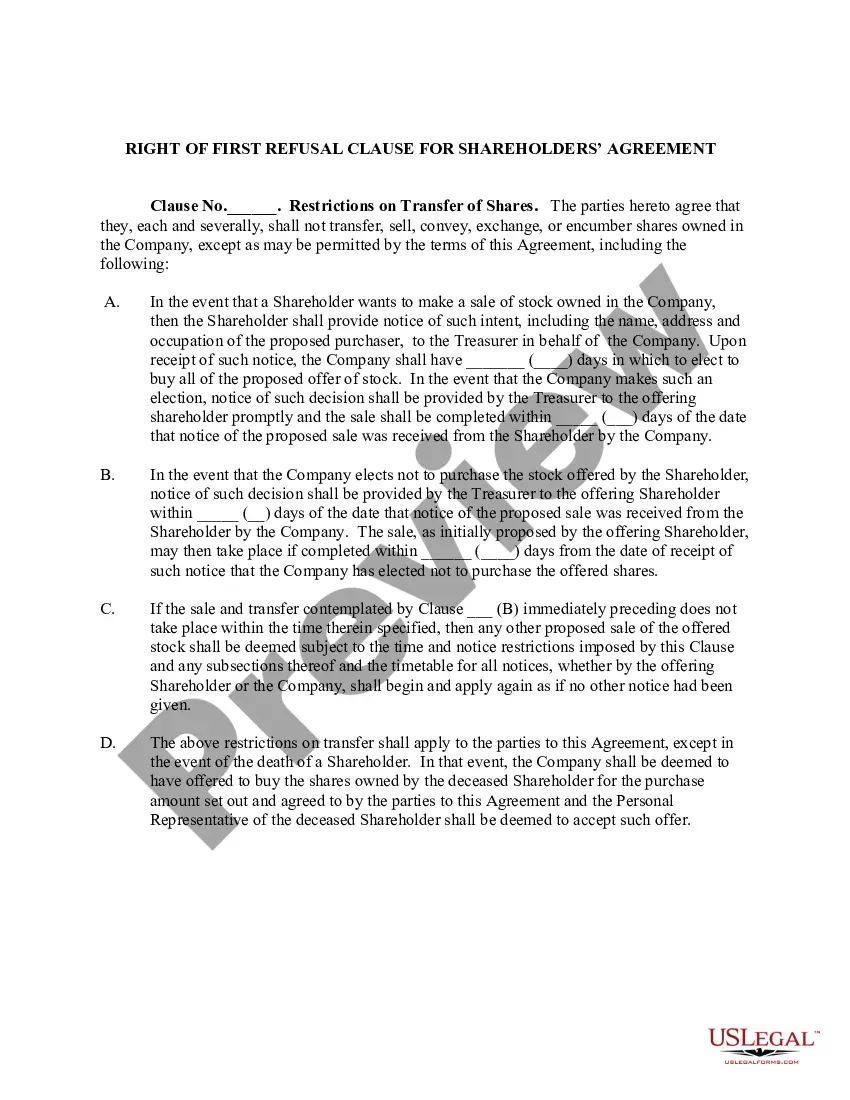
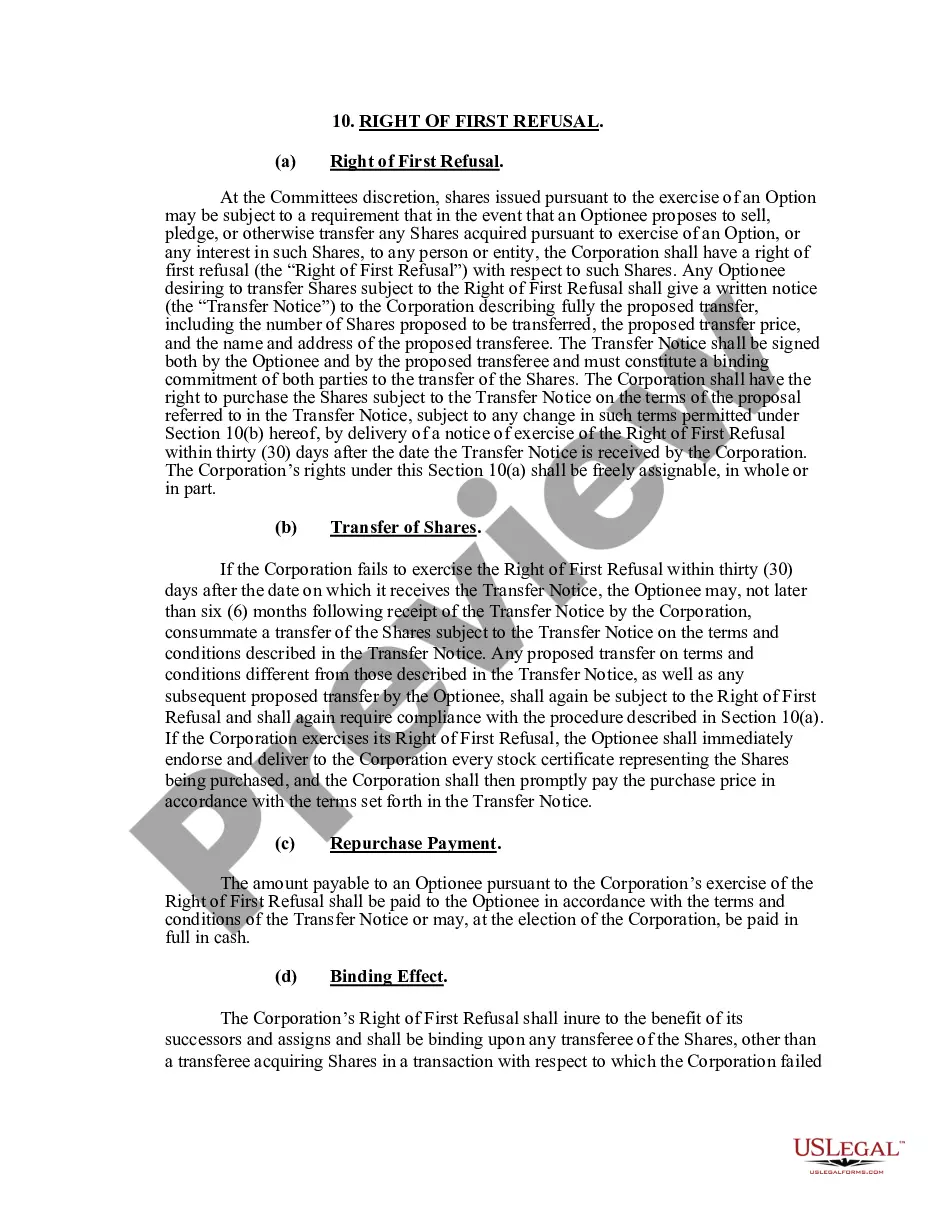
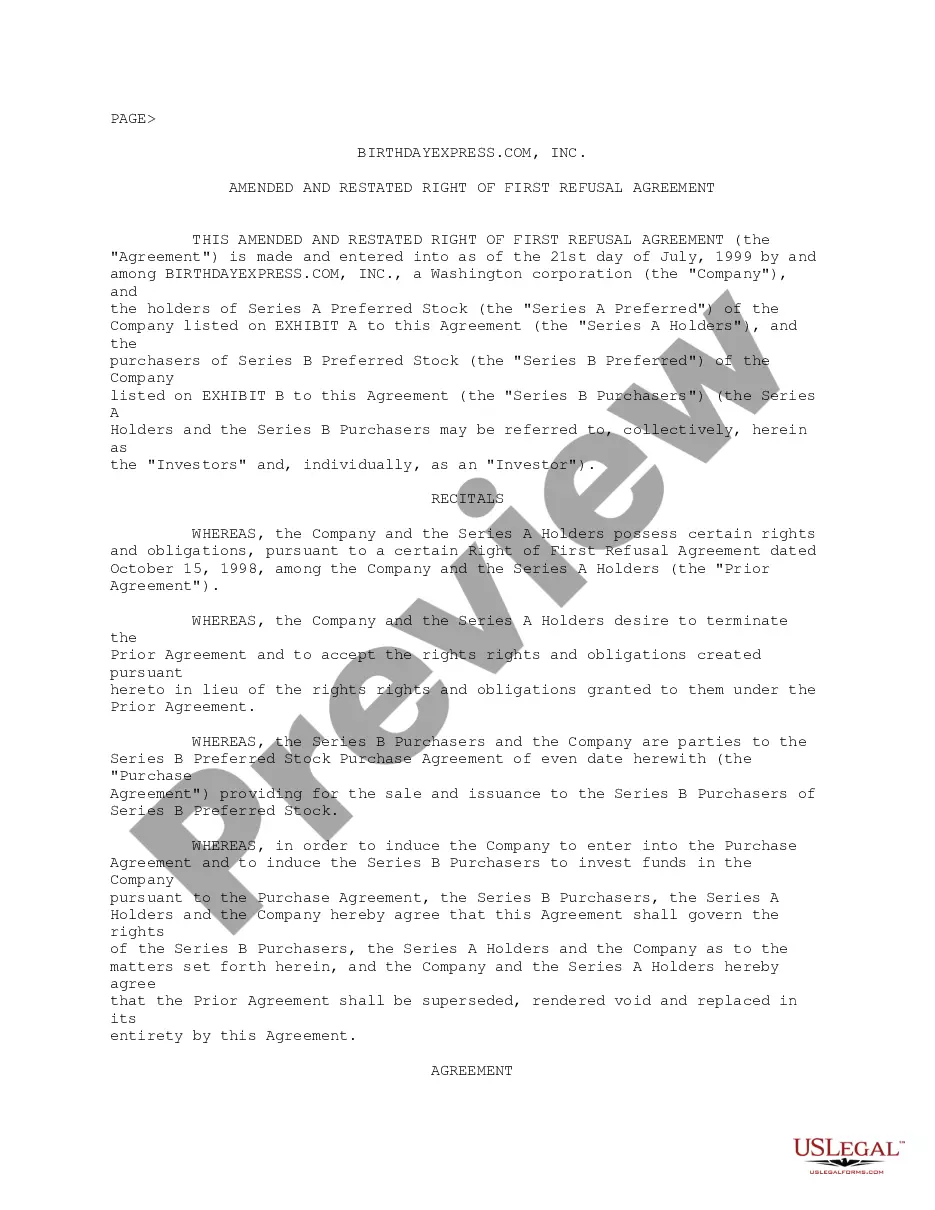
Corporate Refusal Within A Company In Dallas
Description
Get your form ready online
Our built-in tools help you complete, sign, share, and store your documents in one place.
Make edits, fill in missing information, and update formatting in US Legal Forms—just like you would in MS Word.
Download a copy, print it, send it by email, or mail it via USPS—whatever works best for your next step.
Sign and collect signatures with our SignNow integration. Send to multiple recipients, set reminders, and more. Go Premium to unlock E-Sign.
If this form requires notarization, complete it online through a secure video call—no need to meet a notary in person or wait for an appointment.
We protect your documents and personal data by following strict security and privacy standards.

Make edits, fill in missing information, and update formatting in US Legal Forms—just like you would in MS Word.

Download a copy, print it, send it by email, or mail it via USPS—whatever works best for your next step.

Sign and collect signatures with our SignNow integration. Send to multiple recipients, set reminders, and more. Go Premium to unlock E-Sign.

If this form requires notarization, complete it online through a secure video call—no need to meet a notary in person or wait for an appointment.

We protect your documents and personal data by following strict security and privacy standards.
Looking for another form?




Form popularity
FAQ
Steps to Dissolve a Corporation in Texas Step 1: Initiate the Process of Termination. Step 2: The “Wind Up” Process. Step 3: Obtain a Certificate of Account Status. Step 4: File a Certificate of Termination. Step 5: Inform the IRS. Step 6: Close Your Accounts. Step 7: Cancel Any Licenses.
No, under Texas law, an LLC member cannot voluntarily withdraw or be expelled from an LLC. There are three primary ways a member can be removed from a Texas LLC—by complying with the operating agreement or by seeking voluntary or involuntary dissolution.
If an LP fails to file its periodic report within 30 days from the date that the secretary of state sends the report, it forfeits its right to transact business in Texas. While forfeited, it cannot maintain any action, suit, or proceeding in any Texas court or amend its certificate of formation or registration.
Unfair treatment is unkind, inequitable, or improper treatment of an employee, either by another employee or by upper management. Unfair treatment can range from cruelly worded emails or rude comments to being left out of meetings or fired for the wrong reasons.
Federal law in the U.S. indeed says businesses have a right to refuse service to anyone. Here's the catch: They can refuse service unless the company is discriminating against a particular class under federal, state, or local law.
You need to document it every time it happens and make notes of the contents of the unfair treatment, what was it specifically that was done or not done, date, time occurred and time finished, with any witnesses names and contact information.
You can also file a complaint with the Department of Labor The DOL Wage & Hour Division can provide you with information as to what sorts of claims or complaints they accept and how their process works. They can be contacted at 866-487-9243. They also have a webpage with information that might be helpful.
The answer is yes, it is legal. Businesses do have a constitutional right to refuse service to anyone, especially if they are making a scene or disrupting service to other customers in their business.