Payment For Judgement In Riverside
Description
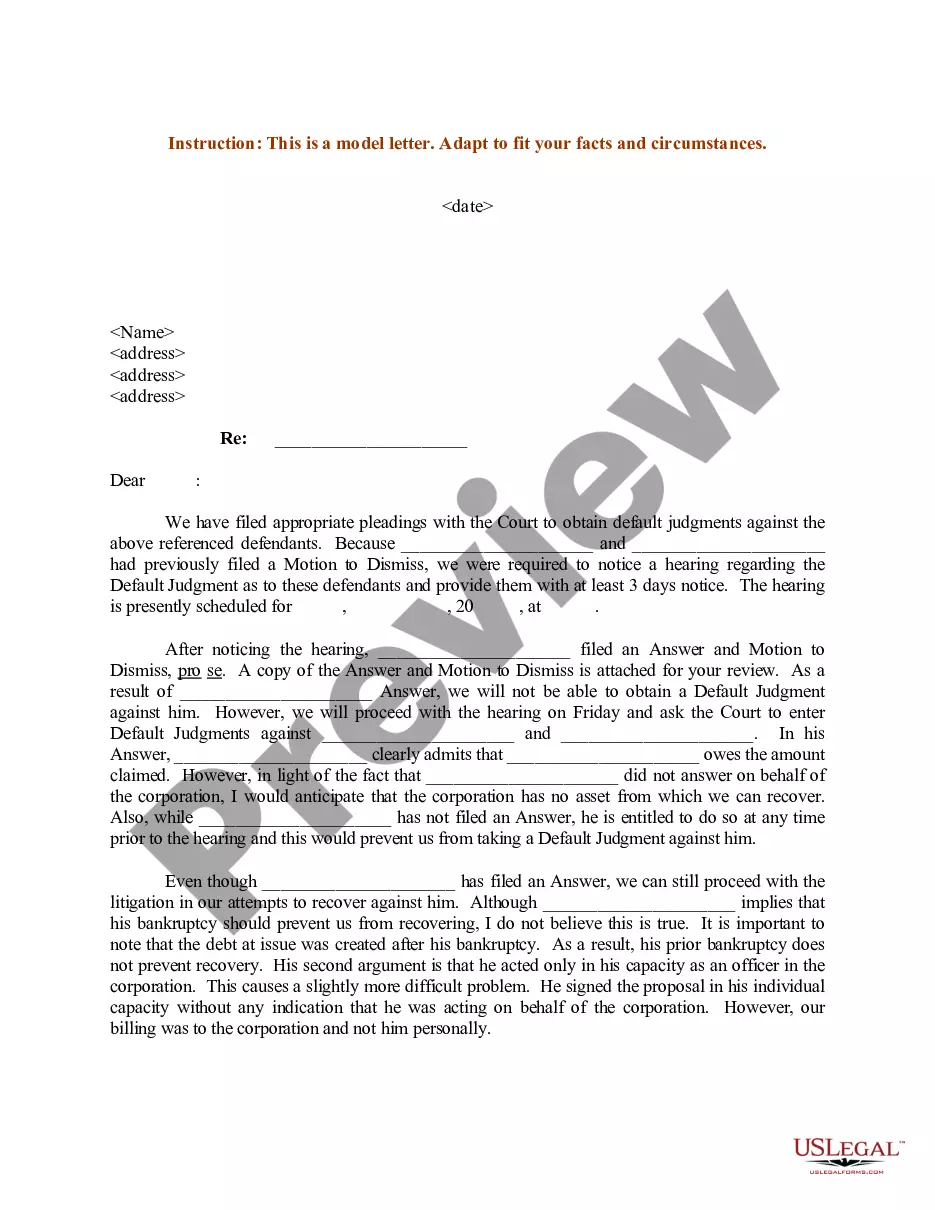




Get your form ready online
Our built-in tools help you complete, sign, share, and store your documents in one place.
Make edits, fill in missing information, and update formatting in US Legal Forms—just like you would in MS Word.
Download a copy, print it, send it by email, or mail it via USPS—whatever works best for your next step.
Sign and collect signatures with our SignNow integration. Send to multiple recipients, set reminders, and more. Go Premium to unlock E-Sign.
If this form requires notarization, complete it online through a secure video call—no need to meet a notary in person or wait for an appointment.
We protect your documents and personal data by following strict security and privacy standards.

Make edits, fill in missing information, and update formatting in US Legal Forms—just like you would in MS Word.

Download a copy, print it, send it by email, or mail it via USPS—whatever works best for your next step.

Sign and collect signatures with our SignNow integration. Send to multiple recipients, set reminders, and more. Go Premium to unlock E-Sign.

If this form requires notarization, complete it online through a secure video call—no need to meet a notary in person or wait for an appointment.

We protect your documents and personal data by following strict security and privacy standards.
Looking for another form?
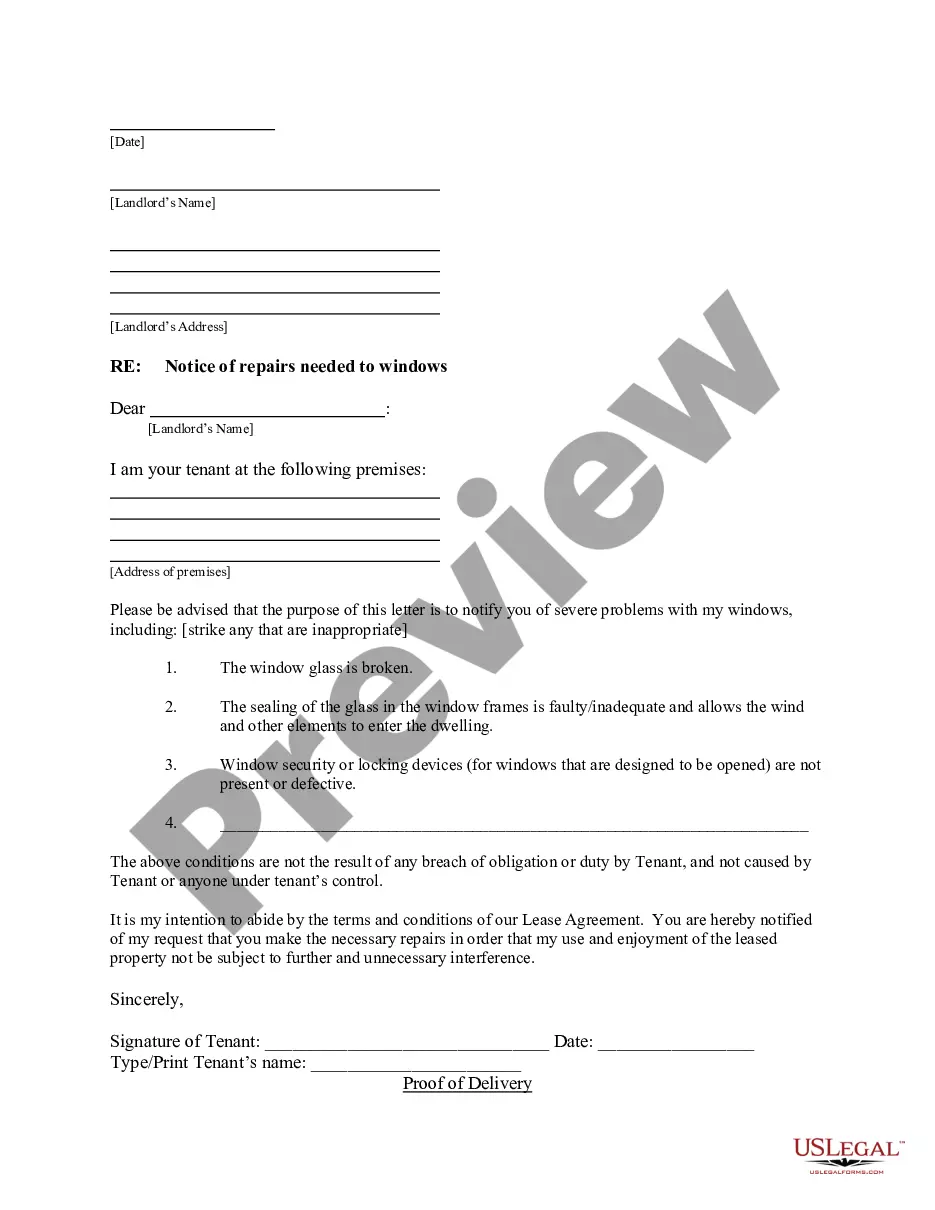
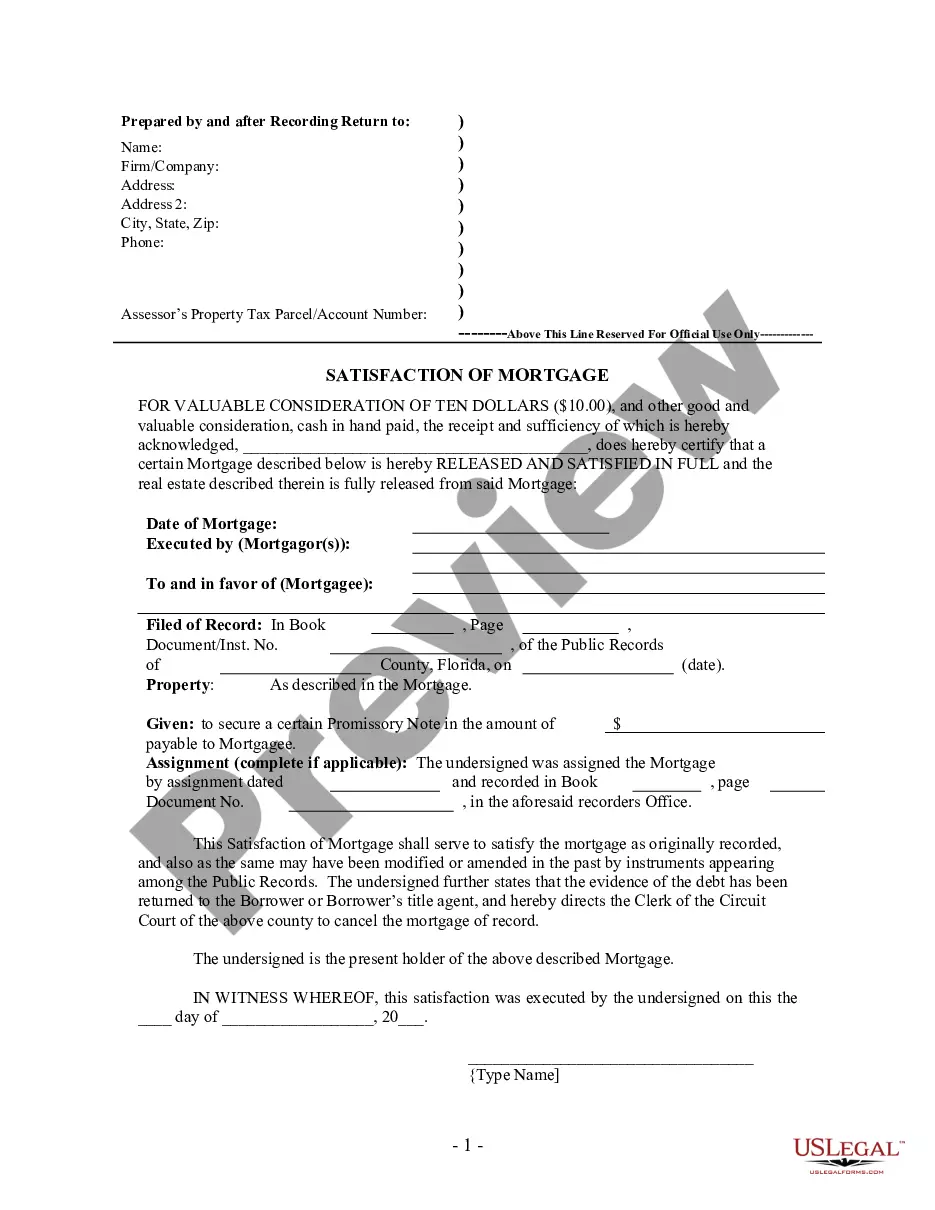



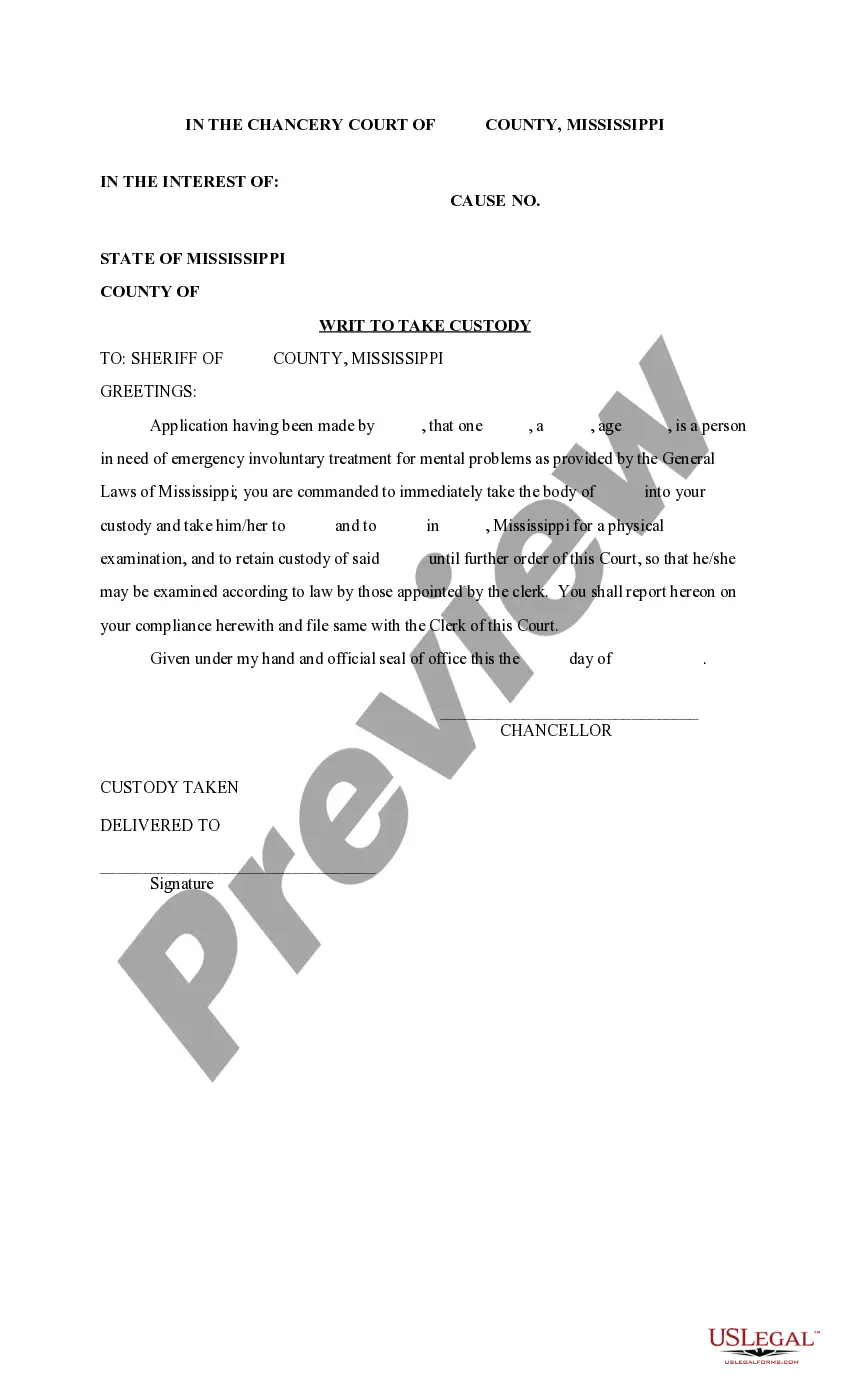


Form popularity
FAQ
Here are four ways to avoid paying a judgment: 1) Use asset protection tools such as an asset protection trust, 2) use legal exemptions, 3) negotiate with the creditor, 4) file for bankruptcy.
You may be able to negotiate a voluntary payment plan with the debt collector. Second, you can file to have the judgment vacated or removed. And third, you can file bankruptcy to discharge the debt and stop all collection efforts, including those related to a court judgment.
Enforcing Your Judgment Get in touch with the judgment debtor. Levy (seize) assets that you have personal knowledge of. Examine judgment debtor in court to locate unknown assets. Suspend the judgment debtor's driver's license if the judgment is for auto accident.
To do this, fill out an EJ-001 Abstract of Judgment form and take it to the clerk's office. After the clerk stamps it, record it at the County Recorder's Office in the county where the property is located. Place a lien on a business.
You can add interest at any time while the judgment is active. Generally, any unpaid principal balance collects interest at 10%, or 7% if the debtor is a government agency. This general rule applies to any judgment against a business or government agency, or when the debtor owes $200,000 or more.
CALIFORNIA. A judgment and any lien created by an execution on the judgment expires ten years after the date of the entry of the judgment. Cal. Civ.
Most judgments (the court order saying what you're owed) expire in 10 years. This means you can't collect on it after 10 years. To avoid this, you can ask the court to renew it. A renewal lasts 10 years.

