Pay Judgment Within 28 Days In Orange
Description



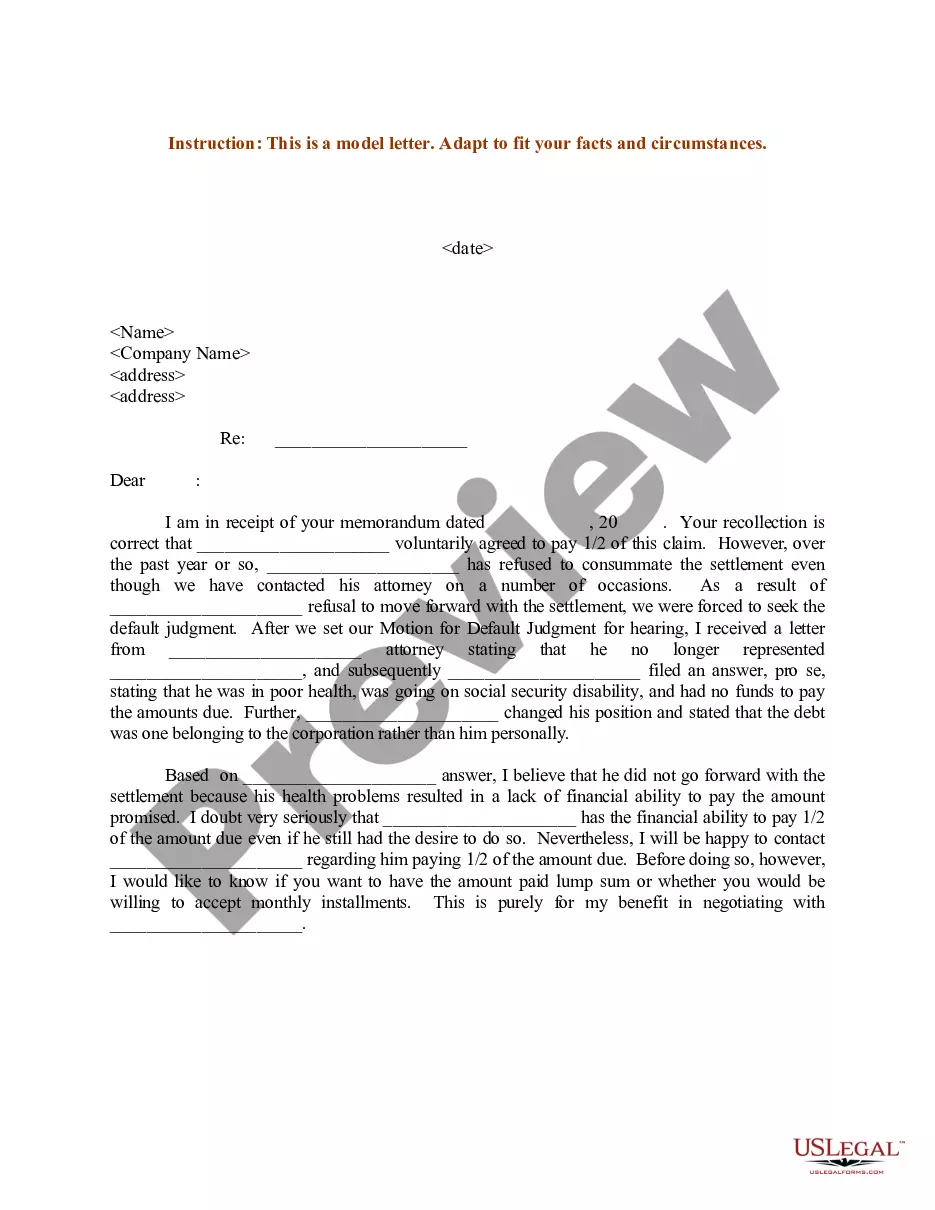

Get your form ready online
Our built-in tools help you complete, sign, share, and store your documents in one place.
Make edits, fill in missing information, and update formatting in US Legal Forms—just like you would in MS Word.
Download a copy, print it, send it by email, or mail it via USPS—whatever works best for your next step.
Sign and collect signatures with our SignNow integration. Send to multiple recipients, set reminders, and more. Go Premium to unlock E-Sign.
If this form requires notarization, complete it online through a secure video call—no need to meet a notary in person or wait for an appointment.
We protect your documents and personal data by following strict security and privacy standards.

Make edits, fill in missing information, and update formatting in US Legal Forms—just like you would in MS Word.

Download a copy, print it, send it by email, or mail it via USPS—whatever works best for your next step.

Sign and collect signatures with our SignNow integration. Send to multiple recipients, set reminders, and more. Go Premium to unlock E-Sign.

If this form requires notarization, complete it online through a secure video call—no need to meet a notary in person or wait for an appointment.

We protect your documents and personal data by following strict security and privacy standards.
Looking for another form?






Form popularity
FAQ
And even if the party being sued does respond, many times there is not much of a defense that can be made. 10 days following the judgment, the creditor becomes a judgment creditor and can begin the wage garnishment process.
Most judgments expire in 10 years. If it will take more than 10 years to collect, you will need to renew your judgment before 10 years is up so it doesn't expire. Family law judgments, like from a divorce, do not expire.
Also, under New Jersey law, a creditor may only garnish: up to 10% of your income if you earn no more than 250% of the federal poverty level for a household of your size, or. for a debt owing to the state, up to 25% if you earn more than 250% of the federal poverty level.
Judgments may be classified as in personam, in rem, or quasi in rem. An in personam, or personal, judgment, the type most commonly rendered by courts, imposes a personal liability or obligation upon a person or group to some other person or group.
But the judgment is composed of three elements: subject, attribute, and copula. To these three elements of the judgment correspond the three elements of the proposition: two terms, which express the subject and predicate or attribute, and the copula, which unites them.
There are three different judgments for people: the judgment seat of Christ. the judgment of the nations. the great white throne judgment.
A judgment generally operates to settle finally and authoritatively matters in dispute before a court. Judgments may be classified as in personam, in rem, or quasi in rem.
CALIFORNIA. A judgment and any lien created by an execution on the judgment expires ten years after the date of the entry of the judgment. Cal. Civ.
During this week we will consider the end-time judgment process with its three main phases: the pre-advent judgment, the millennial judgment, and the executive judgment. The whole process ends with the vindication of the righteous and the second death of the wicked.
As further bad news, default judgments do not simply vanish. The lien of a default judgment lasts five years and may be easily and repeatedly revived and transferred to other counties or states.

