Judgment Letter Of Administration In Los Angeles
Description



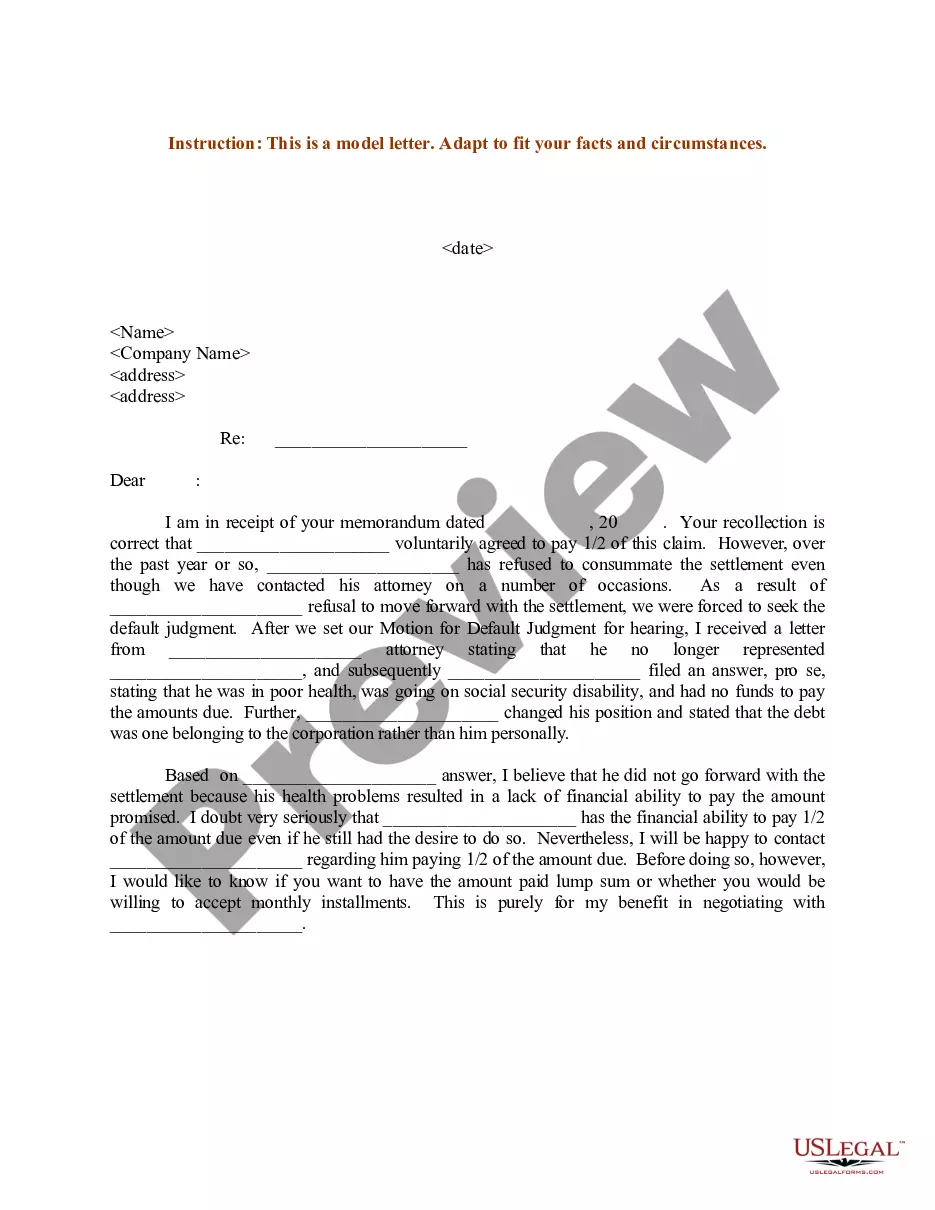

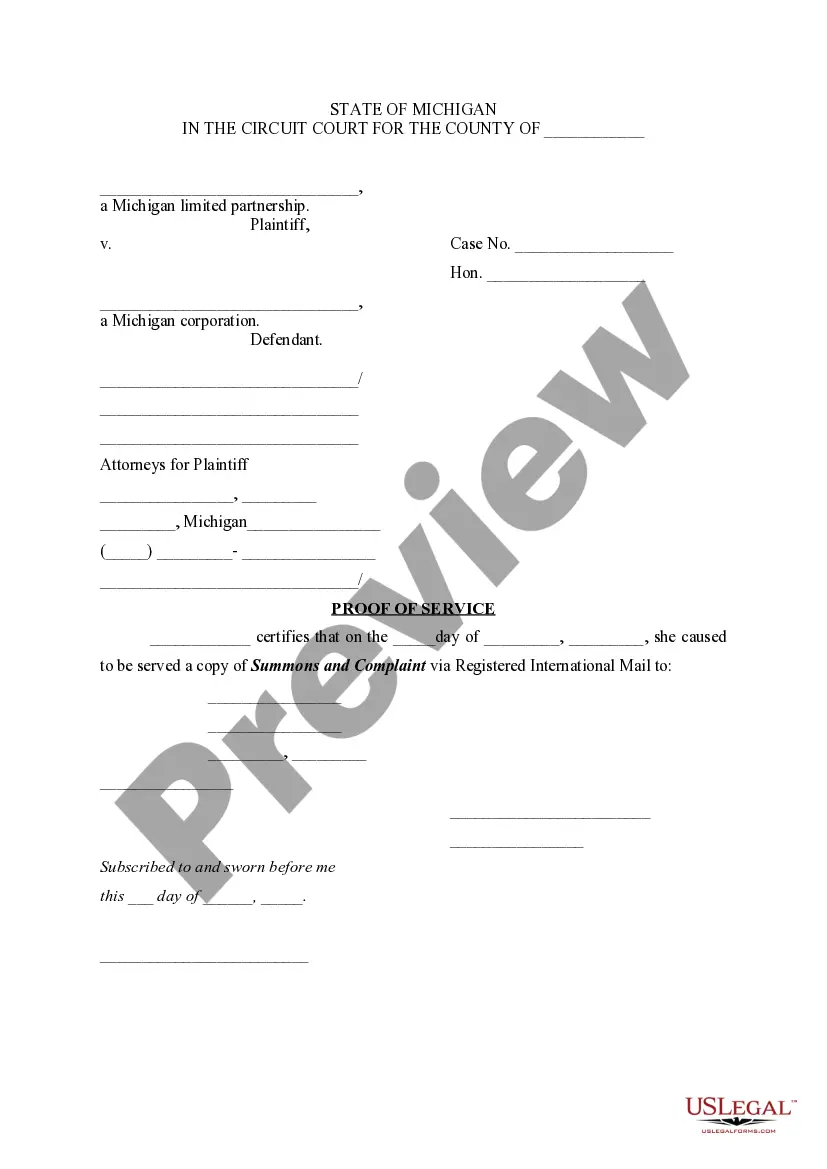
Get your form ready online
Our built-in tools help you complete, sign, share, and store your documents in one place.
Make edits, fill in missing information, and update formatting in US Legal Forms—just like you would in MS Word.
Download a copy, print it, send it by email, or mail it via USPS—whatever works best for your next step.
Sign and collect signatures with our SignNow integration. Send to multiple recipients, set reminders, and more. Go Premium to unlock E-Sign.
If this form requires notarization, complete it online through a secure video call—no need to meet a notary in person or wait for an appointment.
We protect your documents and personal data by following strict security and privacy standards.

Make edits, fill in missing information, and update formatting in US Legal Forms—just like you would in MS Word.

Download a copy, print it, send it by email, or mail it via USPS—whatever works best for your next step.

Sign and collect signatures with our SignNow integration. Send to multiple recipients, set reminders, and more. Go Premium to unlock E-Sign.

If this form requires notarization, complete it online through a secure video call—no need to meet a notary in person or wait for an appointment.

We protect your documents and personal data by following strict security and privacy standards.
Looking for another form?
Form popularity
FAQ
Letters of Administration is the form that the Judge signs confirming that he has given that person legal authority to represent the estate. Sometimes the bank will require this form before releasing funds.
How to get letters of administration Obtain all the necessary documents. It's best to contact the probate court for specific requirements, but the necessary documents typically include. Touch base with other relatives. File an application for letters of administration. Appear in court for verification.
A courthouse might send a certified letter for several reasons, including: Notification of Legal Proceedings: To inform individuals about upcoming court dates, hearings, or trials that they need to attend.
Letters of Administration are similar to a Grant of Probate but are issued instead to the next of kin of an individual who dies without a valid Will. If you have not made a Will, this means you have not appointed a specific person as your Executor to administer your Estate.
During the initial probate proceeding, after the court has determined that there is no will, it will appoint an administrator for the estate. The person who serves in this role will have many duties, including: Preserving the decedent's assets. Satisfying all valid creditor claims.
Typically, the process of obtaining letters testamentary can take several weeks to several months, depending on the circumstances. The executor or personal representative must file a petition with the probate court, which will schedule a hearing to appoint the executor and issue the legal document.
In California, an executor, also known as a personal representative, generally has one year from their appointment date to complete probate. However, if a federal estate tax is filed, this timeline extends to 18 months.
How do I get a letter of testamentary in California? Obtain the deceased person's will and death certificate. Submit a Petition for Probate in the Superior Court in the county where the decedent live by filing Form DE-111, a copy of the will, and your personal identification.
Issuance of Letters Testamentary or Letters of Administration (1–2 months) At the hearing, the court will appoint the executor or administrator and issue Letters Testamentary (if there is a will) or Letters of Administration (if there is no will).

