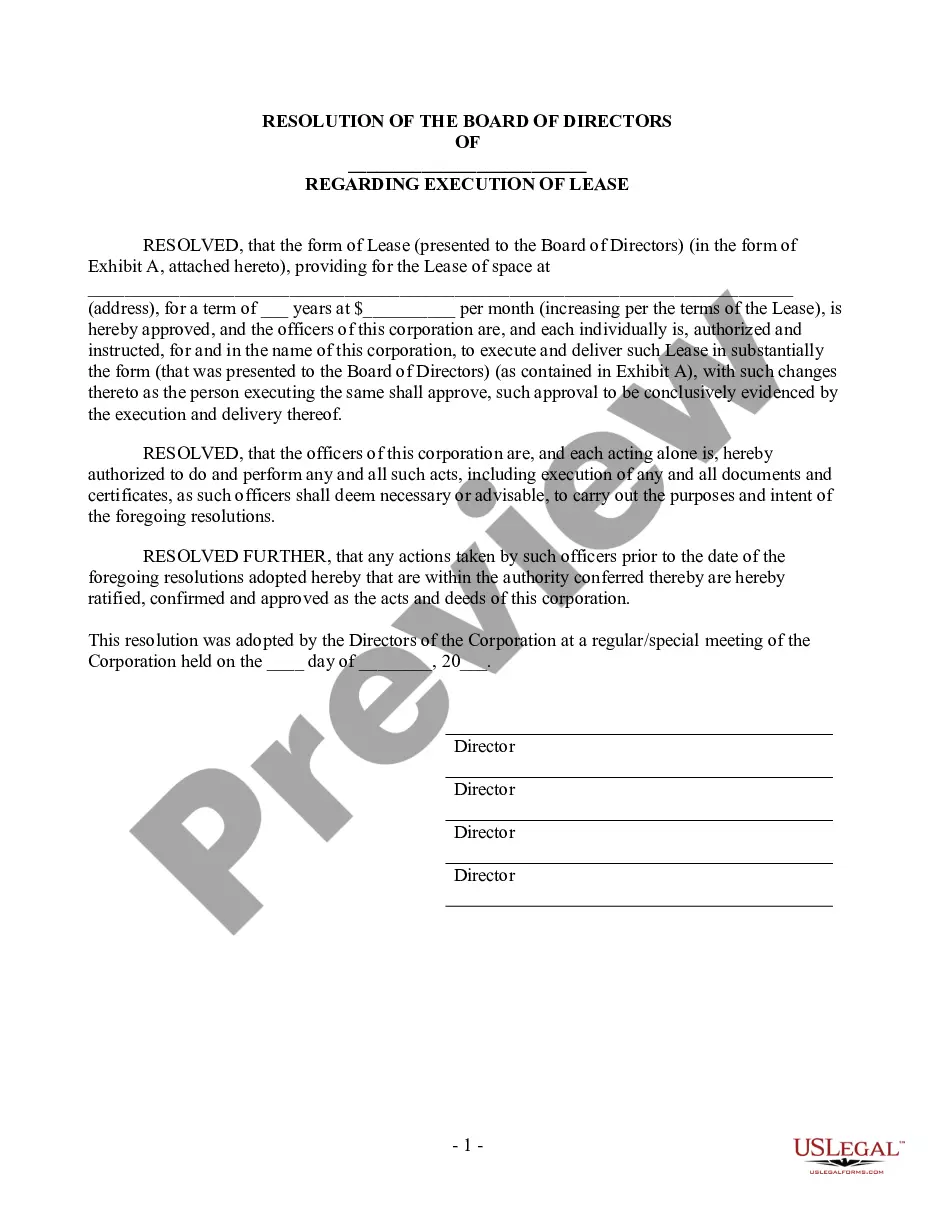
Judgement Settlement Letter Example In King
Description





Get your form ready online
Our built-in tools help you complete, sign, share, and store your documents in one place.
Make edits, fill in missing information, and update formatting in US Legal Forms—just like you would in MS Word.
Download a copy, print it, send it by email, or mail it via USPS—whatever works best for your next step.
Sign and collect signatures with our SignNow integration. Send to multiple recipients, set reminders, and more. Go Premium to unlock E-Sign.
If this form requires notarization, complete it online through a secure video call—no need to meet a notary in person or wait for an appointment.
We protect your documents and personal data by following strict security and privacy standards.

Make edits, fill in missing information, and update formatting in US Legal Forms—just like you would in MS Word.

Download a copy, print it, send it by email, or mail it via USPS—whatever works best for your next step.

Sign and collect signatures with our SignNow integration. Send to multiple recipients, set reminders, and more. Go Premium to unlock E-Sign.

If this form requires notarization, complete it online through a secure video call—no need to meet a notary in person or wait for an appointment.

We protect your documents and personal data by following strict security and privacy standards.
Looking for another form?







Form popularity
FAQ
Quicker resolution: Settling a case allows for a faster resolution compared to going through the trial process, which can take months or even years. Emotional closure: Settling a case can provide emotional closure for the injured party, as they can move on from the incident and focus on their recovery.
Settling a case means ending a dispute before the end of a trial. Although popular media often makes it seem like significant cases get resolved quickly, a case can meander through the court system for years. This article examines an alternative to traditional courtroom litigation: settling cases out of court.
Once the Judgment is entered, the winner should serve a copy of the Judgment with "notice of entry" on the loser. This service starts the loser's time to appeal running.
A legal settlement is an agreement between two parties that resolves a legal claim. In a lawsuit against your business, a settlement offer would involve your business (the defendant) paying a financial sum to the injured party (the plaintiff) in exchange for them dropping their lawsuit.
Settlement Orders means and refers to the orders entered to implement the terms of this Agreement, including, but not limited to, the Preliminary Approval Order and the Final Approval Order. Based on 9 documents. 9. Settlement Orders means, collectively, the Purchaser Settlement Order and the Seller Settlement Order.
To begin an action in Small Claims Court, a person, or someone acting on his or her behalf, must come to the Small Claims Court Clerk's office in the proper county and fill out a statement of claim. To find out where the clerk's office is located in your county, click on Locations.
The Brooklyn Supreme Courthouse is located on Adams Street between Joralemon and Johnson Streets. It also houses the Registrar's Office, County Clerk, and Surrogate's Court. Construction on the Supreme Courthouse began in 1955.
To file a motion for contempt in New York, certain criteria must be met. There must be an existing order of the court that is clear and unambiguous, and the accused must be proven to have known about this order and willfully disobeyed it.
After a summons with notice is served, the defendant will demand that the plaintiff serve a complaint. The plaintiff must then have the complaint served within 20 days after being served with the demand, or the case may be dismissed.