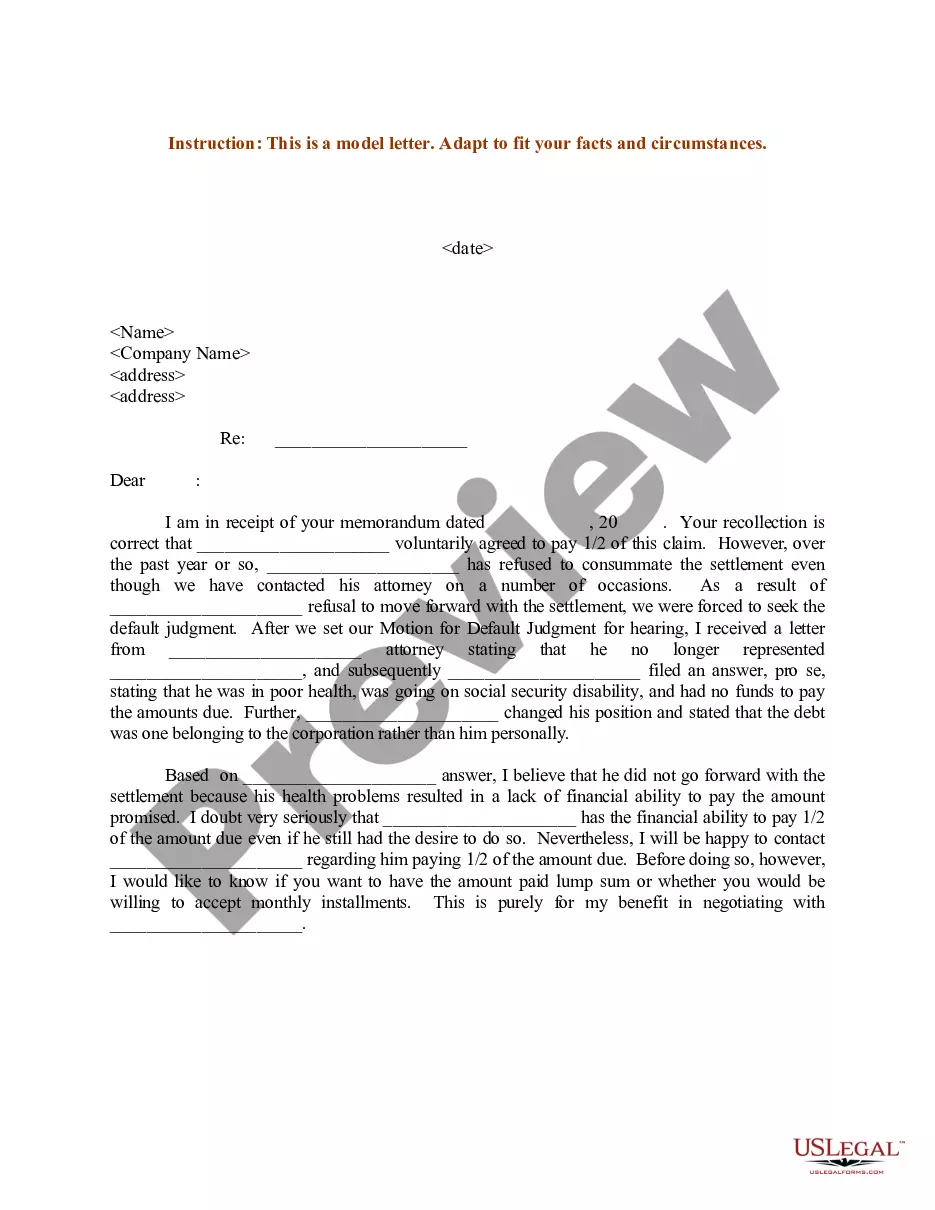
Letter For Judgment In Arizona
Description




Get your form ready online
Our built-in tools help you complete, sign, share, and store your documents in one place.
Make edits, fill in missing information, and update formatting in US Legal Forms—just like you would in MS Word.
Download a copy, print it, send it by email, or mail it via USPS—whatever works best for your next step.
Sign and collect signatures with our SignNow integration. Send to multiple recipients, set reminders, and more. Go Premium to unlock E-Sign.
If this form requires notarization, complete it online through a secure video call—no need to meet a notary in person or wait for an appointment.
We protect your documents and personal data by following strict security and privacy standards.

Make edits, fill in missing information, and update formatting in US Legal Forms—just like you would in MS Word.

Download a copy, print it, send it by email, or mail it via USPS—whatever works best for your next step.

Sign and collect signatures with our SignNow integration. Send to multiple recipients, set reminders, and more. Go Premium to unlock E-Sign.

If this form requires notarization, complete it online through a secure video call—no need to meet a notary in person or wait for an appointment.

We protect your documents and personal data by following strict security and privacy standards.
Looking for another form?






Form popularity
FAQ
An offer of judgment must be made more than 30 days before trial begins. (2) Arbitration. In actions assigned to arbitration, no offer of judgment may be made during the time period beginning 25 days before the arbitration hearing and ending when a Rule 77(a) notice of appeal is filed.
In Arizona, a judgment is initially effective for ten years after the date of its entry, and execution must be accomplished within that period.
Rule 55 - Default; Default Judgment (a)Entering a Default (1)Generally. If a party against whom a judgment for affirmative relief is sought has failed to plead or otherwise defend as provided in these rules, default may be obtained under the procedures set forth in this rule.
If a party obtains or discovers information that it knows or reasonably should know is relevant to a hearing or deposition scheduled to occur in less than 30 days, the party must disclose such information reasonably in advance of the hearing or deposition.
All judgments must be in writing, and the court must mail copies to all parties. The judgment must clearly state the determination of the rights of the parties. The judgment is due and payable immediately after the judgment is rendered by the justice of the peace or a hearing officer in small claims court.
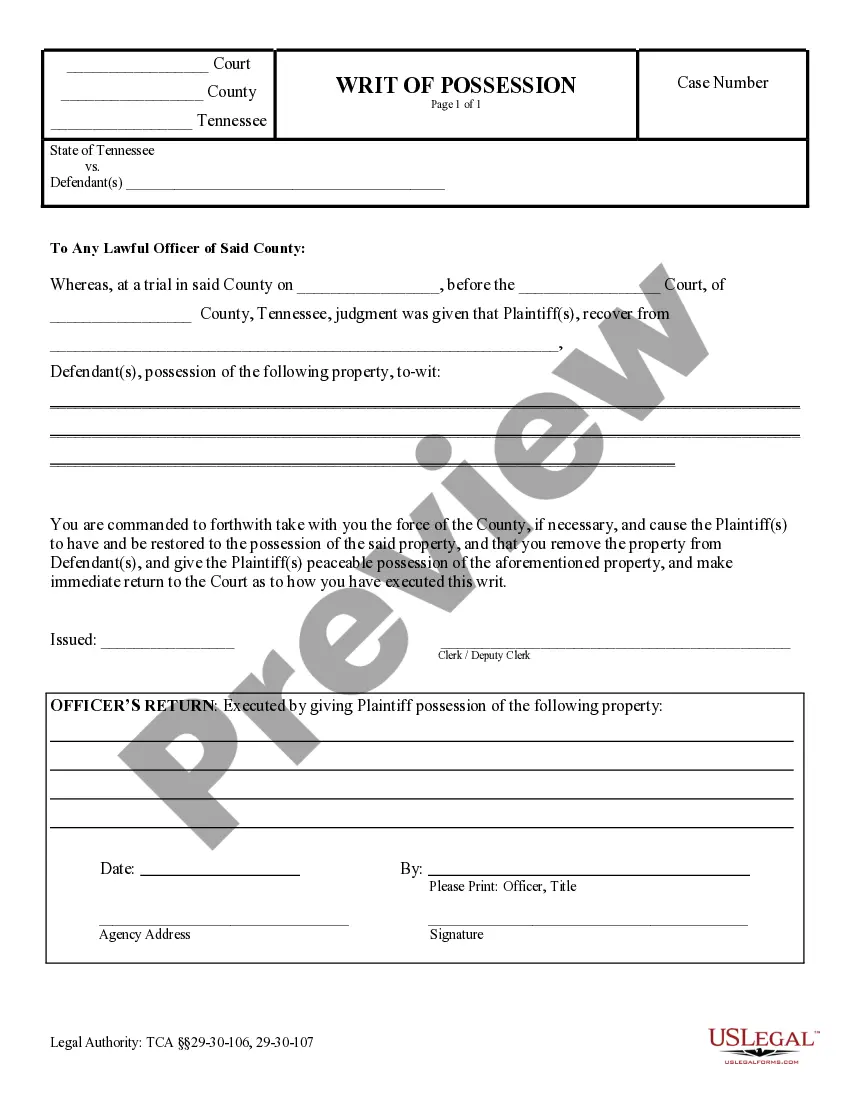
Collection Methods There are 2 primary methods to collect a debt: Writ of Garnishment or Writ of Execution. Writ of Garnishment is often referred to as garnishing a debtor's wages. A written notice is served to both the debtor and the debtor's employer or financial institution.
Fair Debt Collection Practices Act (FDCPA) § 1692-1692p). Third-party debt collectors are prohibited from engaging in unfair, deceptive, or abusive practices while collecting these debts. Under the FDCPA, third-party debt collectors: may contact a person only between a.m. and p.m. at home or work.
Except as provided in sections 33-729 and 33-730, from and after the time of recording as provided in section 33-961, a judgment shall become a lien for a period of ten years after the date it is given on all real property of the judgment debtor in the county in which the judgment is recorded, whether the property is ...
A final judgment must be signed by a justice of the peace or hearing officer and filed with the court. All judgments must be in writing, and the court must mail copies to all parties. The judgment must clearly state the determination of the rights of the parties.
During a trial in Arizona, a defense attorney may ask for a Rule 11 evaluation of his or her client. Under Rule 11, the defendant has the right to a full mental examination and hearing when reasonable grounds exist for it. A Rule 11 hearing may be held when a defendant is suspected of being mentally incompetent.

