Authorization Letter With Notary In San Antonio
Description




Get your form ready online
Our built-in tools help you complete, sign, share, and store your documents in one place.
Make edits, fill in missing information, and update formatting in US Legal Forms—just like you would in MS Word.
Download a copy, print it, send it by email, or mail it via USPS—whatever works best for your next step.
Sign and collect signatures with our SignNow integration. Send to multiple recipients, set reminders, and more. Go Premium to unlock E-Sign.
If this form requires notarization, complete it online through a secure video call—no need to meet a notary in person or wait for an appointment.
We protect your documents and personal data by following strict security and privacy standards.

Make edits, fill in missing information, and update formatting in US Legal Forms—just like you would in MS Word.

Download a copy, print it, send it by email, or mail it via USPS—whatever works best for your next step.

Sign and collect signatures with our SignNow integration. Send to multiple recipients, set reminders, and more. Go Premium to unlock E-Sign.

If this form requires notarization, complete it online through a secure video call—no need to meet a notary in person or wait for an appointment.

We protect your documents and personal data by following strict security and privacy standards.
Looking for another form?






Form popularity
FAQ
Writing the Letter as a Resident Start with your legal name. Certify your address. State the length of time you've resided at the residence. Include any other residents. Type your oath. Follow with a closing phrase and your name. Sign and date the letter. Create a line for the notary's signature.
Every notarized letter of authorization must list the names of the requesting parties and the reason for authorization. The document must also contain the signatures of each party as well as the notary public's signature to confirm that they witnessed and verified the signatures.
To make a notarized letter, begin with your contact details, create a clear message explaining the purpose of the letter. Include any legal language if necessary. Conclude with a formal closing and leave space for your signature. And that's how you write a statement that needs to be notarized.
Lastly, both the person granting the authorization and the authorized individual should sign the document. It's also often important to have the signatures notarized to add an extra layer of validity, especially if you need to authorize more significant transactions.
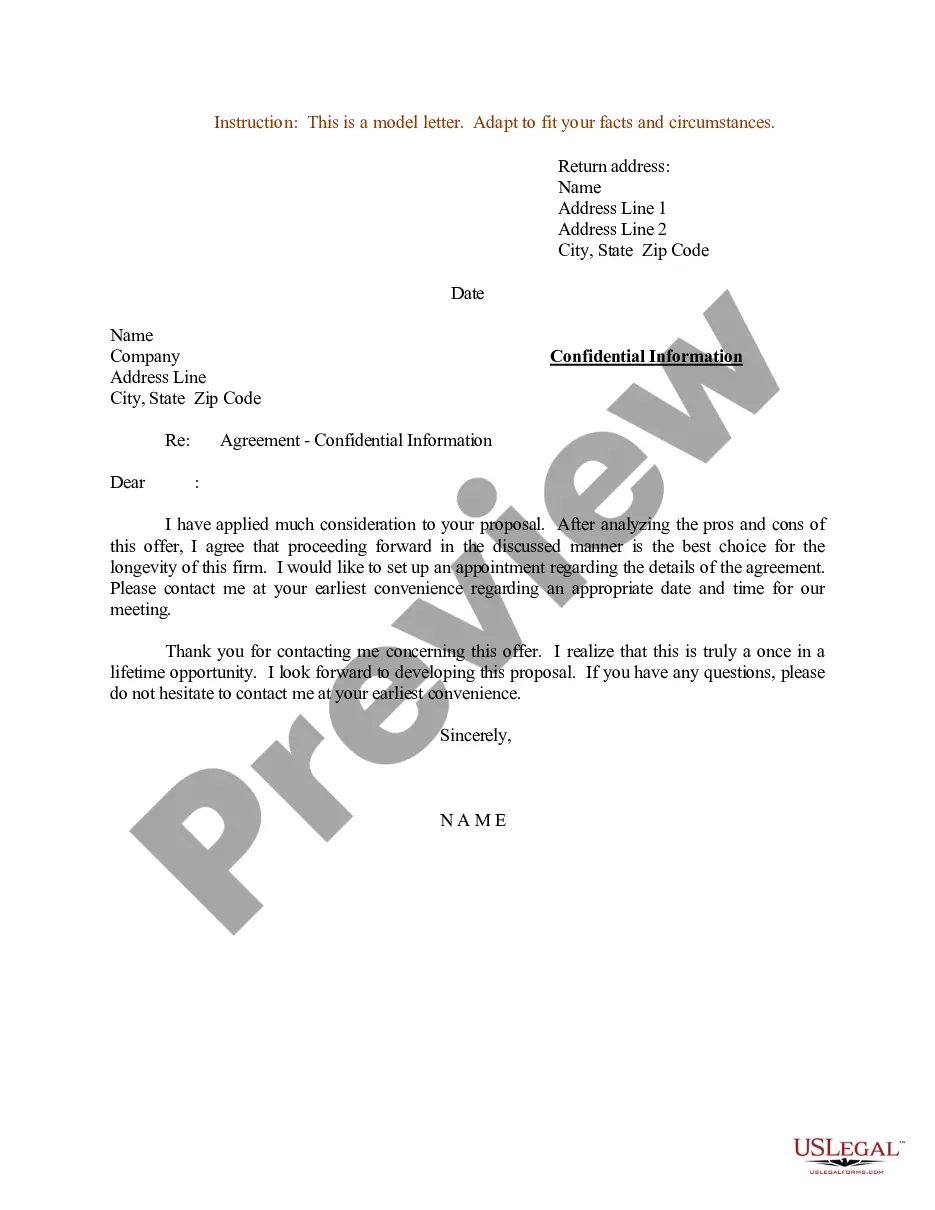
Things You Should Know Make your letter as concise as possible while providing specific deals for the authorization. Format the document like a business letter and get a witness or notary's signature. Hand over the completed letter to a proxy, but save a copy of the document for yourself.
A power of attorney, under the Civil Code, requires the principal's signature and, at times, notarization to be binding. Authorization letters, while potentially less formal, can still benefit from notarization to secure authenticity and ensure acceptance by government offices, banks, or private institutions.
The authorization letter format includes the address and date, salutation, body of the letter with the name and signature of the person you are authorizing, the reason for unavailability, complimentary closing, signature and name of the authorizer.
How do I fill this out? Enter your name and address at the top of the letter. Specify the notary public's name and address appropriately. Describe the document that needs notarization in detail. Provide the authorized person's name and their identification details. Sign the letter and include your printed name.
Getting a letter notarized adds legal weight with an official seal, proving identities and signatures are legit. Just prepare your letter, find a notary at places like banks or online, bring ID and the document to your appointment, and watch as it becomes legally binding.
Steps to Get a Letter Notarized Prepare Your Document. Ensure the document is complete before seeking notarization. Find a Notary Public. Schedule an Appointment. Bring Necessary Identification. Verification of Identity. Signing the Document. Notary's Official Seal. Mobile Notary Services.

