Authorization Letter With Spa In Cook
Description




Get your form ready online
Our built-in tools help you complete, sign, share, and store your documents in one place.
Make edits, fill in missing information, and update formatting in US Legal Forms—just like you would in MS Word.
Download a copy, print it, send it by email, or mail it via USPS—whatever works best for your next step.
Sign and collect signatures with our SignNow integration. Send to multiple recipients, set reminders, and more. Go Premium to unlock E-Sign.
If this form requires notarization, complete it online through a secure video call—no need to meet a notary in person or wait for an appointment.
We protect your documents and personal data by following strict security and privacy standards.

Make edits, fill in missing information, and update formatting in US Legal Forms—just like you would in MS Word.

Download a copy, print it, send it by email, or mail it via USPS—whatever works best for your next step.

Sign and collect signatures with our SignNow integration. Send to multiple recipients, set reminders, and more. Go Premium to unlock E-Sign.

If this form requires notarization, complete it online through a secure video call—no need to meet a notary in person or wait for an appointment.

We protect your documents and personal data by following strict security and privacy standards.
Looking for another form?


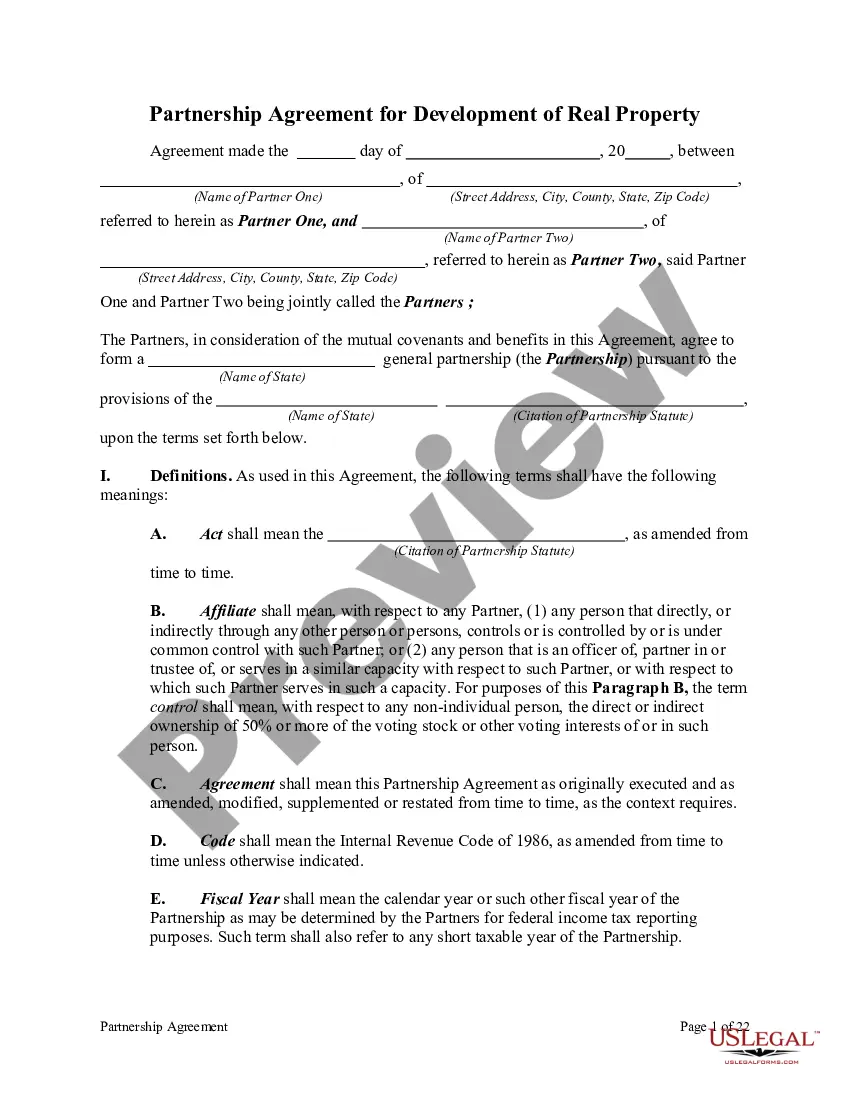

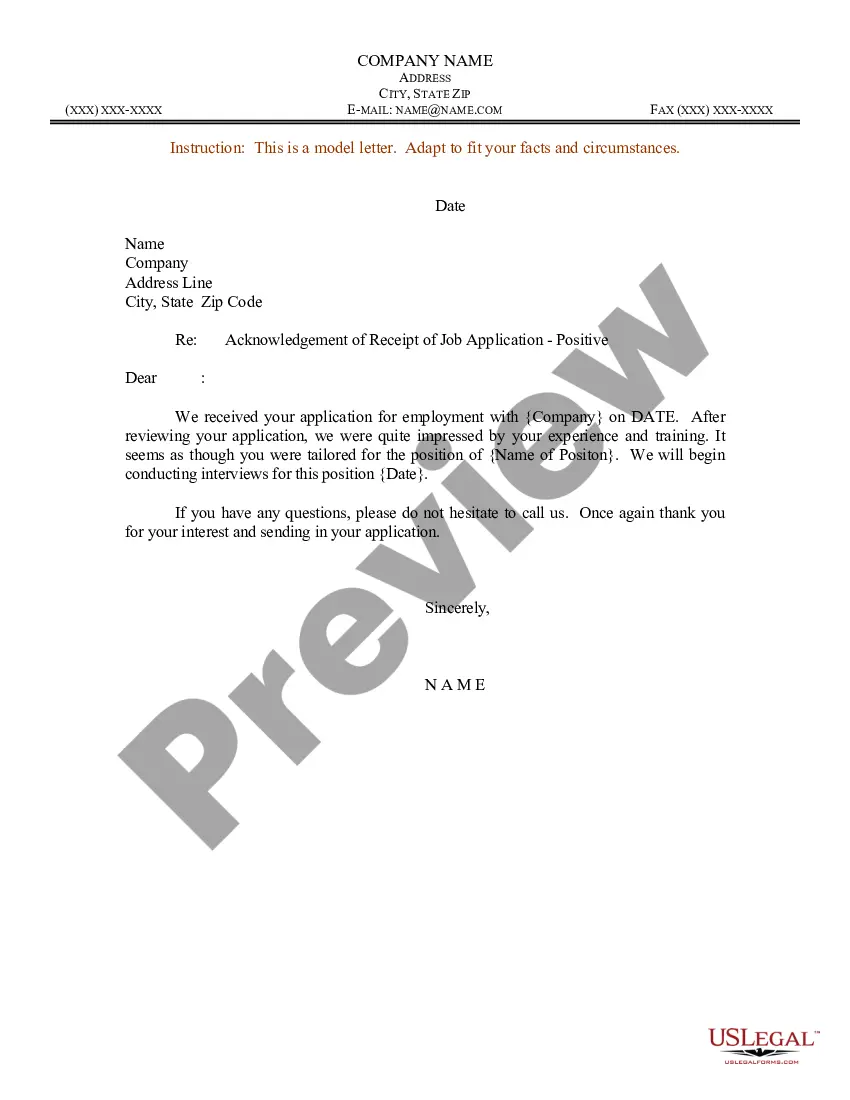

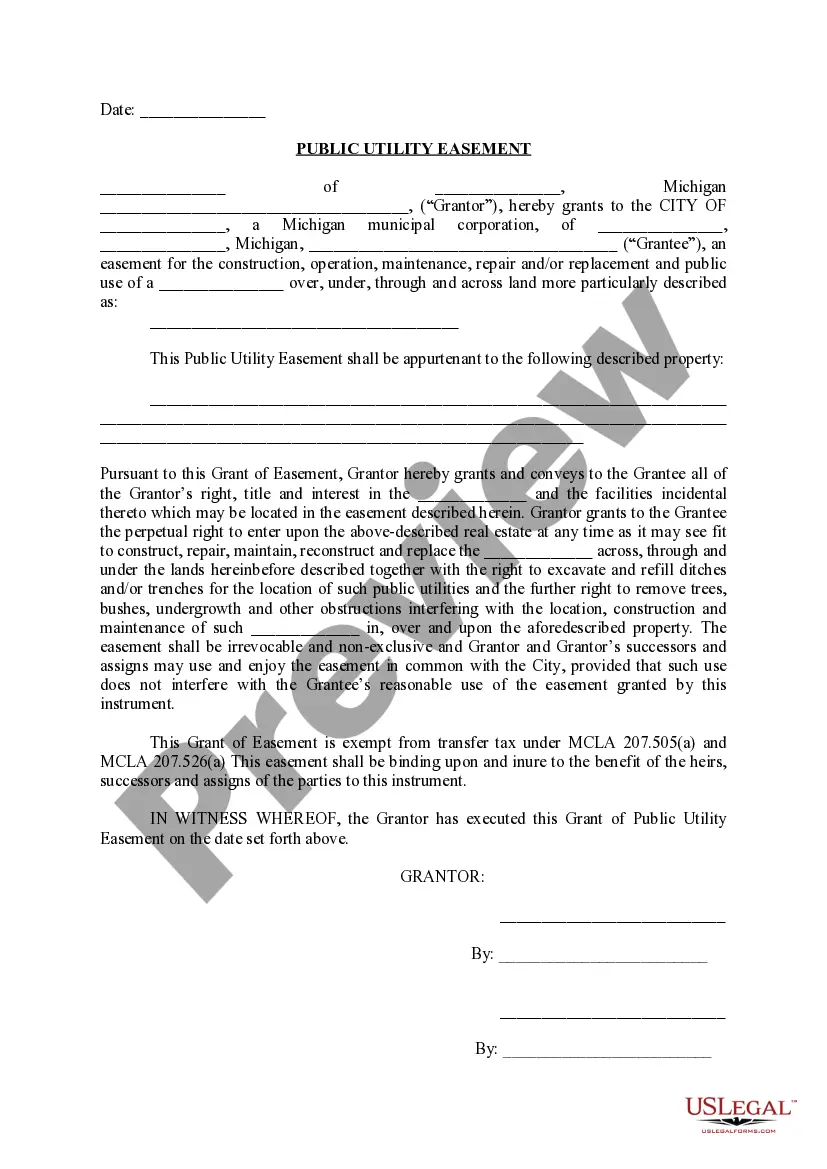


Form popularity
FAQ
5 steps to write a letter of authorization. Identify the parties involved. Specify the authority granted. Define the duration of the agreement. Include any necessary details. Sign the document.
In Philippine law, it is essential to distinguish between a Special Power of Attorney (SPA) and a general authorization letter. An SPA is a legal document that grants specific and limited powers to an agent, while a general authorization letter may grant broader authority.
An SPA must include the identification of the principal and agent, a detailed scope of powers, transaction specifics, date of execution, the principal's signature, and proper notarization. For property-related SPAs, registration with the Register of Deeds may also be required.
Take the following items with you to the Philippine Consulate, located at 447 Sutter Street, San Francisco, CA 94108: Two copies of the Philippines Special Power of Attorney (the Consulate keeps a copy) Your valid ID (passport from any country, driver license, or DMV-issued ID card) Two copies of your ID.
What is a Special Power of Attorney? A Special Power of Attorney, otherwise known as “SPA”, is a legal document that grants a chosen individual—the agent or attorney-in-fact—the authority to perform specific actions on behalf of another person, the principal or grantor.
Formal Authorization Letter Format Your Name Your Address City, State, PIN Code Email Address Phone Number Date To, Recipient's Name Recipient's Designation Company/Organization Name Company Address ... Sincerely, Your Signature (if sending a hard copy) Your Name Your Designation, if applicable
What is a Special Power of Attorney? A Special Power of Attorney, otherwise known as “SPA”, is a legal document that grants a chosen individual—the agent or attorney-in-fact—the authority to perform specific actions on behalf of another person, the principal or grantor.
5 steps to write a letter of authorization. Identify the parties involved. Specify the authority granted. Define the duration of the agreement. Include any necessary details. Sign the document.
Notarizing a Special Power of Attorney (SPA) at a Philippine embassy is a common requirement for Filipinos abroad who need to grant authority to another person in the Philippines to act on their behalf.
