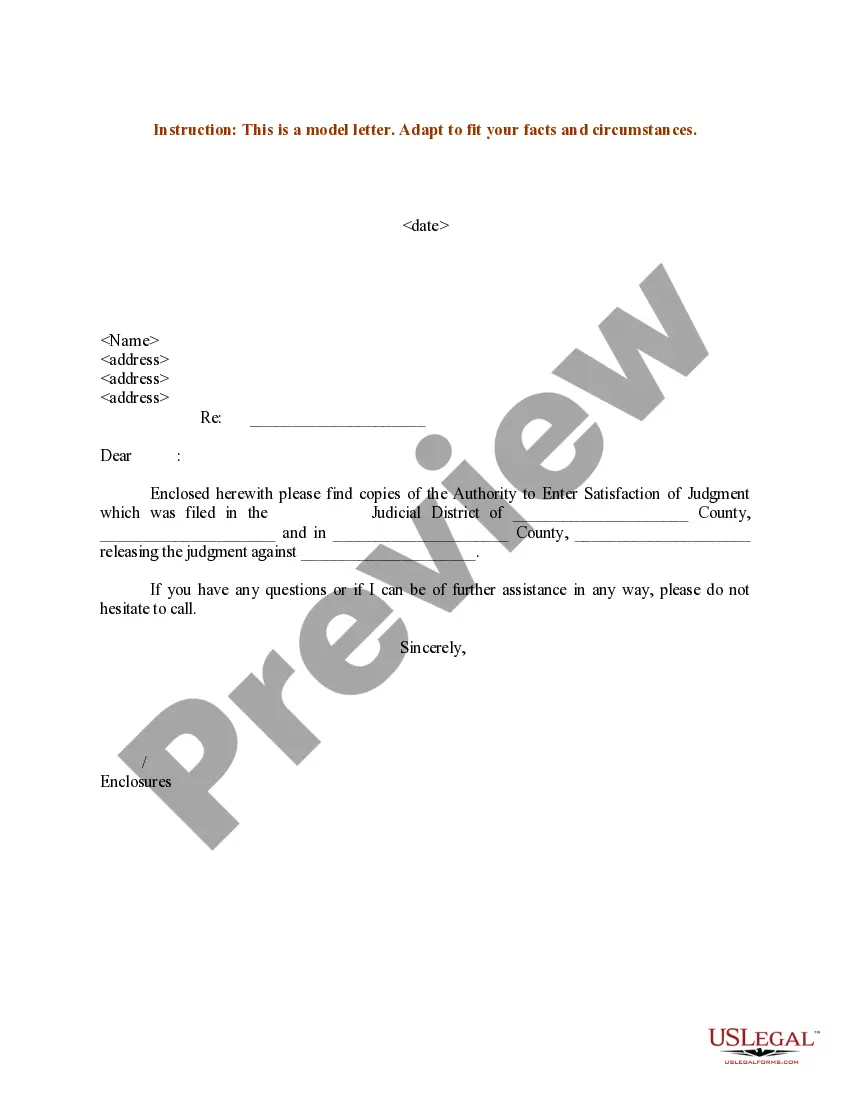
Letter Of Authority For Deceased In California
Description
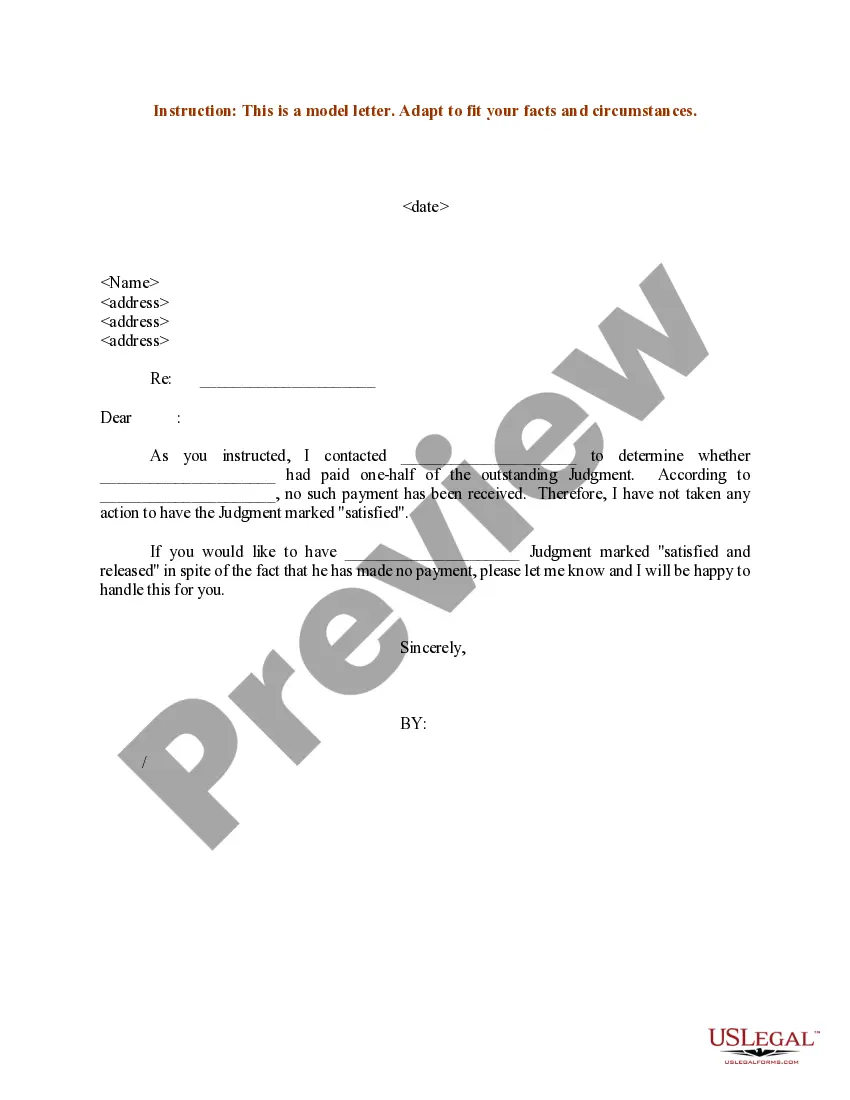
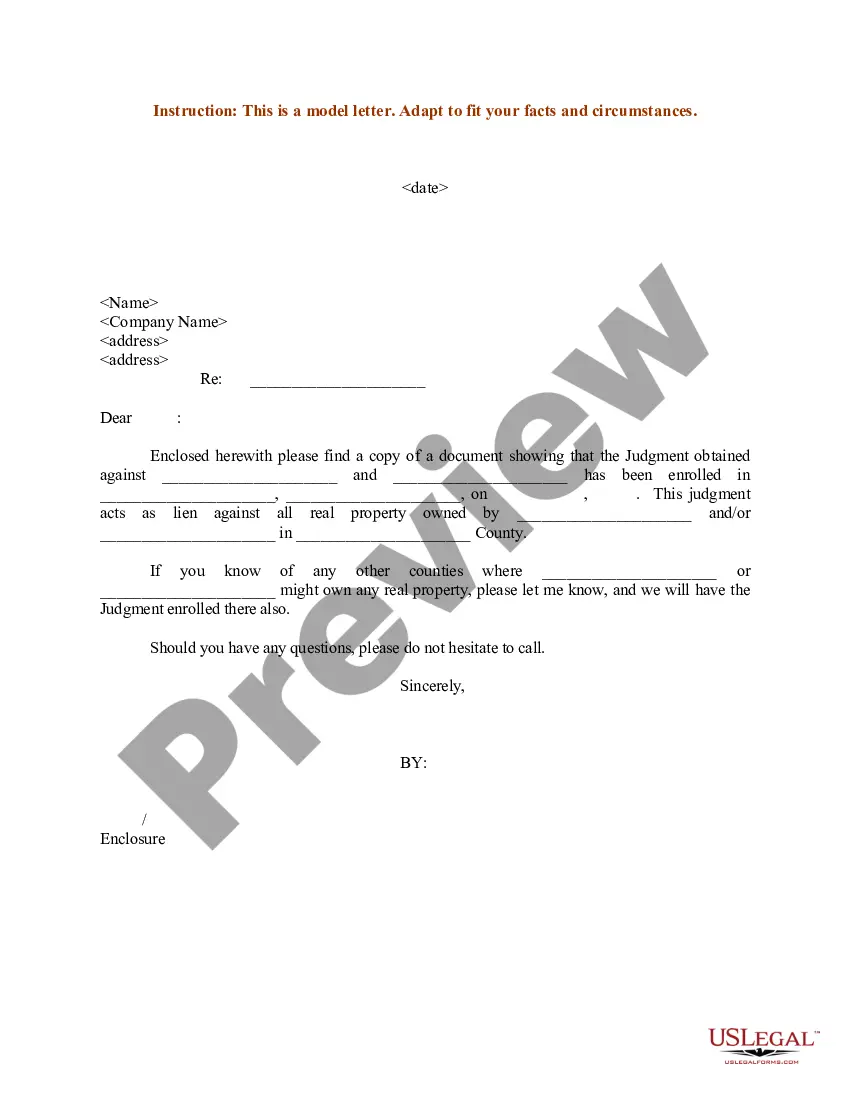
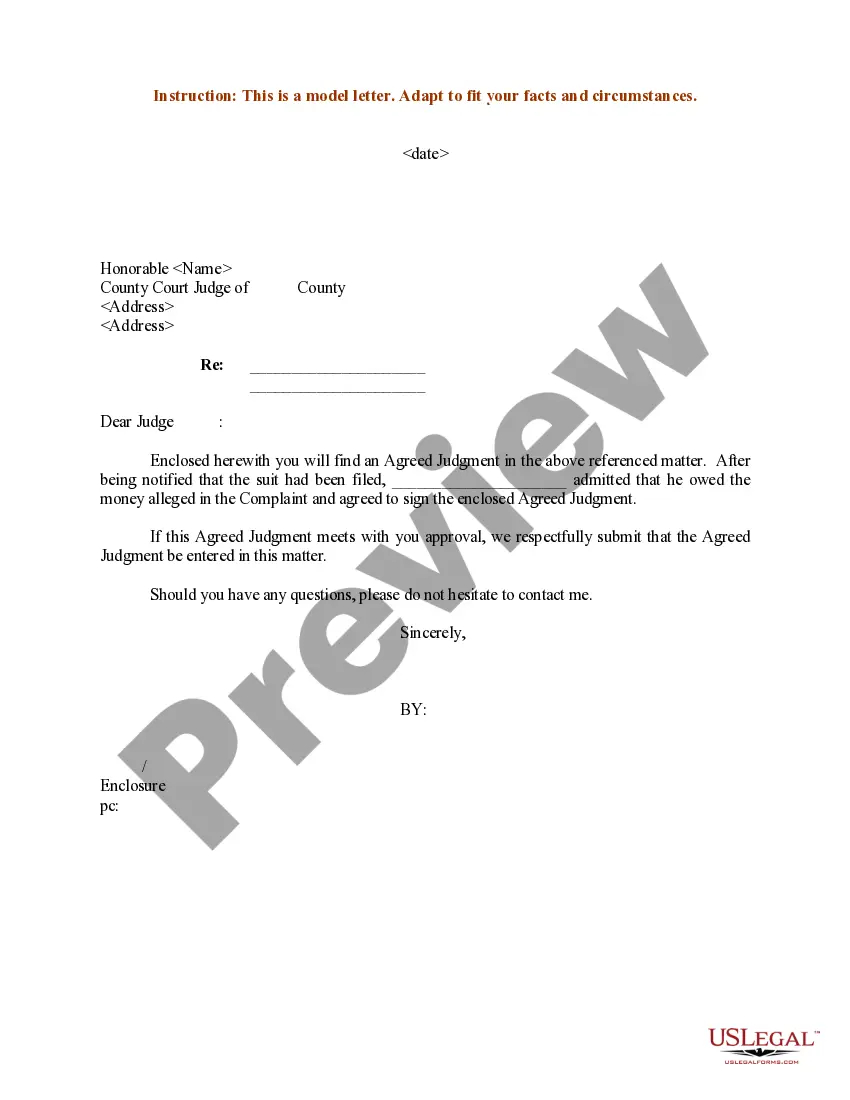
Get your form ready online
Our built-in tools help you complete, sign, share, and store your documents in one place.
Make edits, fill in missing information, and update formatting in US Legal Forms—just like you would in MS Word.
Download a copy, print it, send it by email, or mail it via USPS—whatever works best for your next step.
Sign and collect signatures with our SignNow integration. Send to multiple recipients, set reminders, and more. Go Premium to unlock E-Sign.
If this form requires notarization, complete it online through a secure video call—no need to meet a notary in person or wait for an appointment.
We protect your documents and personal data by following strict security and privacy standards.

Make edits, fill in missing information, and update formatting in US Legal Forms—just like you would in MS Word.

Download a copy, print it, send it by email, or mail it via USPS—whatever works best for your next step.

Sign and collect signatures with our SignNow integration. Send to multiple recipients, set reminders, and more. Go Premium to unlock E-Sign.

If this form requires notarization, complete it online through a secure video call—no need to meet a notary in person or wait for an appointment.

We protect your documents and personal data by following strict security and privacy standards.
Looking for another form?

Form popularity
FAQ
Letters of Administration is the form that the Judge signs confirming that he has given that person legal authority to represent the estate. Sometimes the bank will require this form before releasing funds.
What is a Letter of authorization on estate? A Letter of Authority is a legal document that is signed by the Register of the Probate Court in the County where your loved one was living at the time of their death. It designates the person who will be the Personal Representative of your loved one's Estate.
A letter of instruction isn't legally binding, like your will. Instead, you use it to explain the choices you made in your will, share your funeral wishes, and offer final messages of comfort to the people who mean the most to you.
Obtaining a letter of testamentary without going through probate may be possible in specific situations, but typically, you'll need to go through probate. Consult with an attorney who is experienced in estate planning to understand your options.
If a decedent dies intestate (without a will), the court will usually appoint someone to administer the estate — this will typically be a spouse or next of kin. The administrator will be issued what's known as a letter of administration. This gives them the same legal authority granted by a letter of testamentary.
You can't get a power of attorney. A POA ends at death. You need to take the will, the death certificate and your birth certificate down to your local probate court and open probate. The requirements vary by state and there may be a small estate process available.
That being said, it is never a good idea to delay the inevitable. California Probate Code section 8001 specifies that the executor has 30 days after the decedent's date of death and after learning they are the nominated executor to petition the court for administration of the estate.
A letter of authority is a legal document that says what a person or organization is allowed to do or what powers they have. It is often used in situations where a person or organization needs to delegate certain responsibilities to another party.