Sample Letter For Child Custody In San Antonio
Description
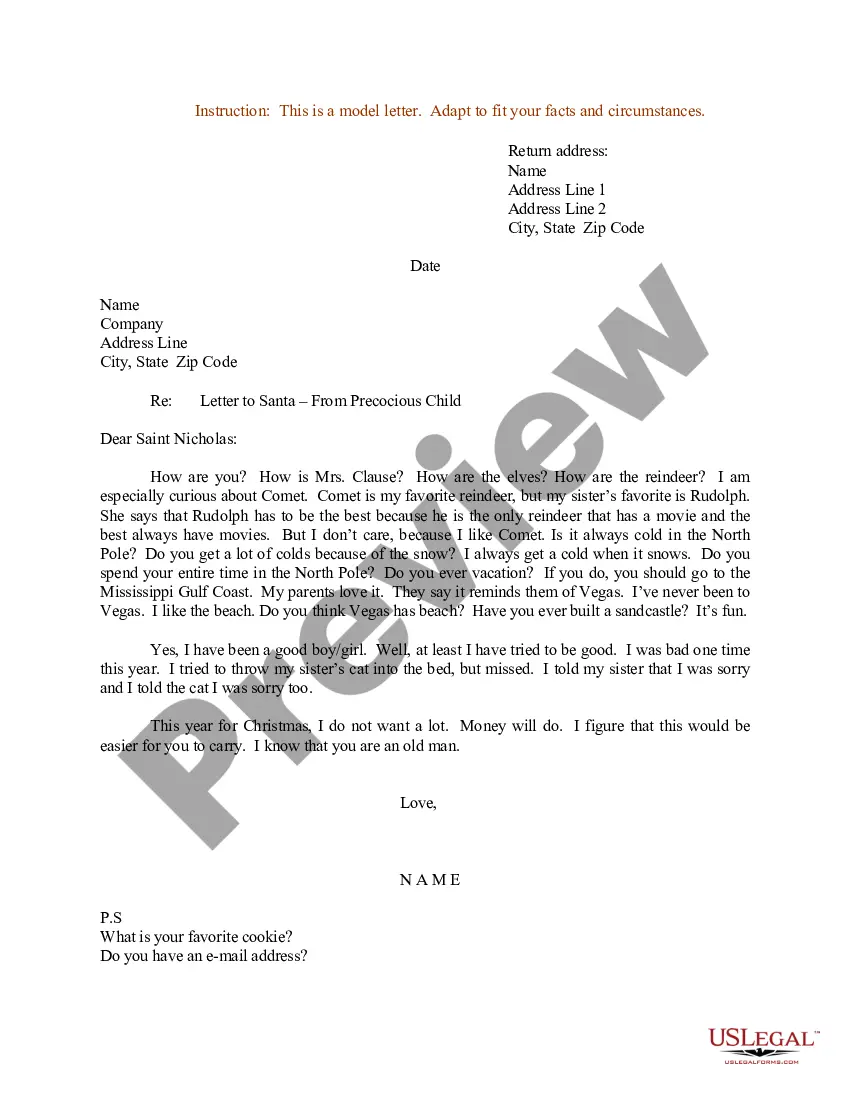

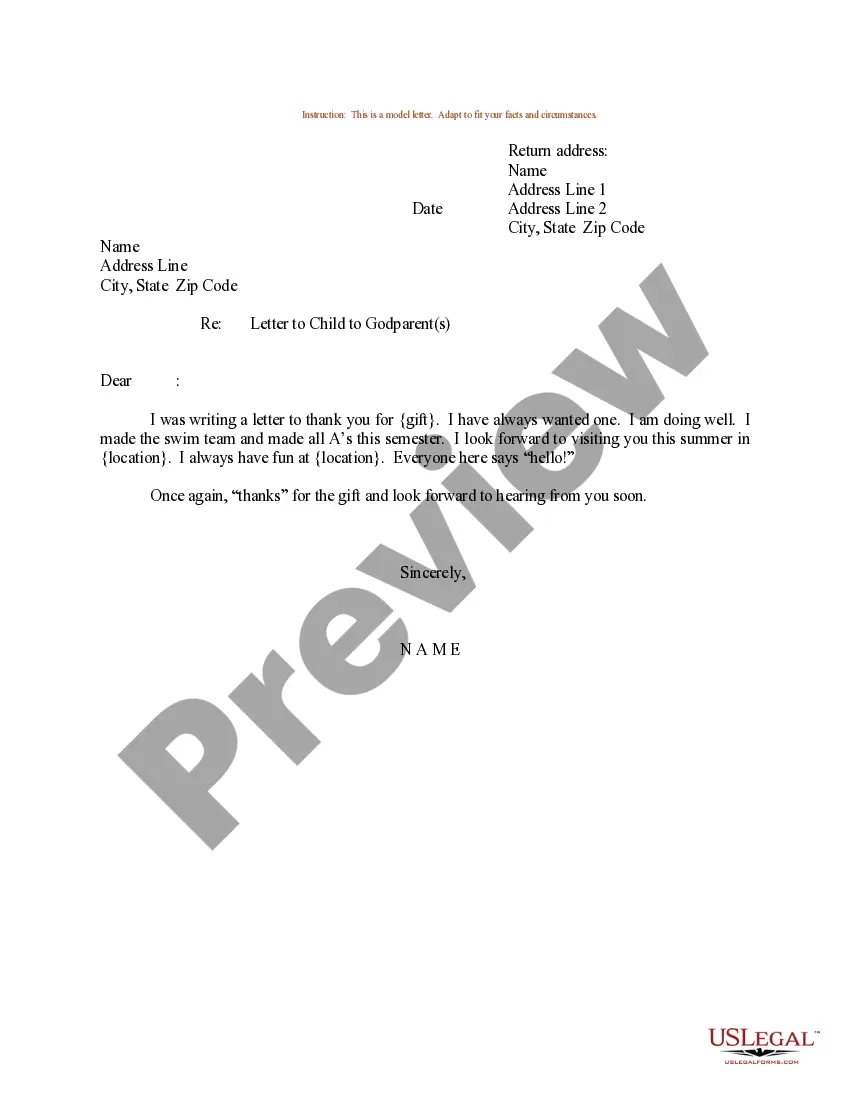
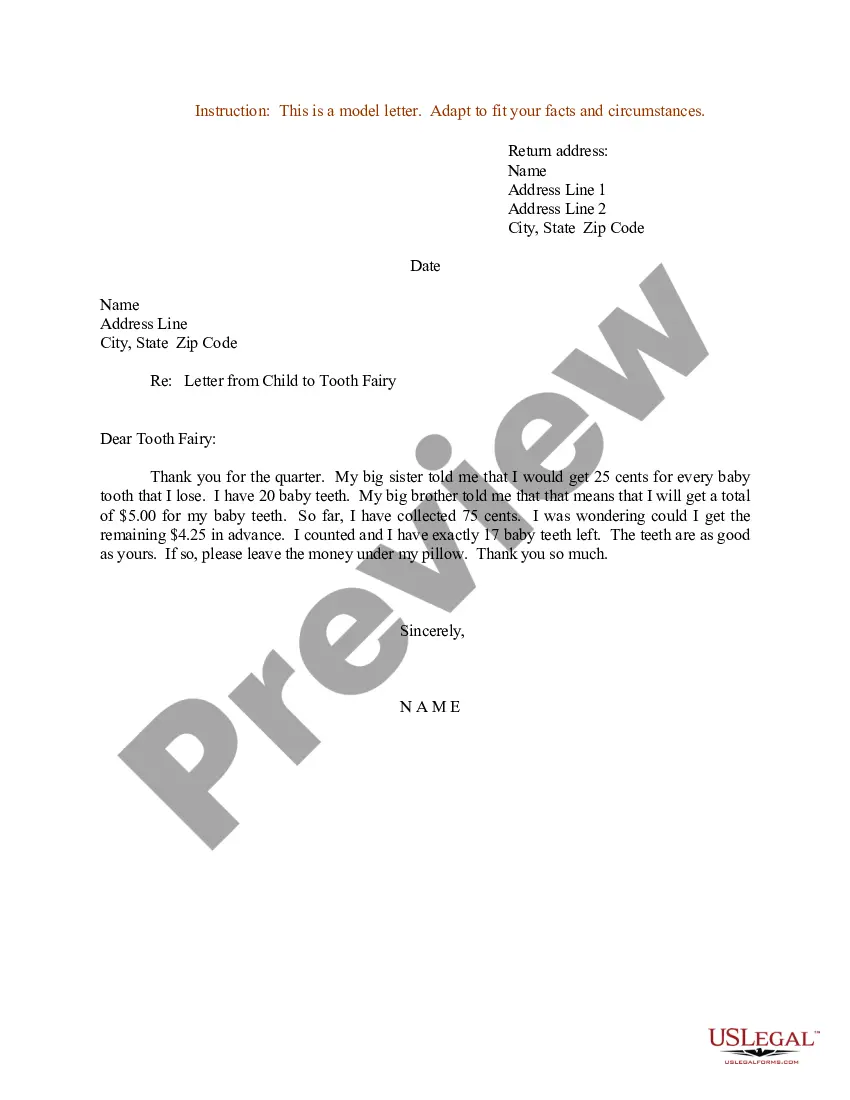
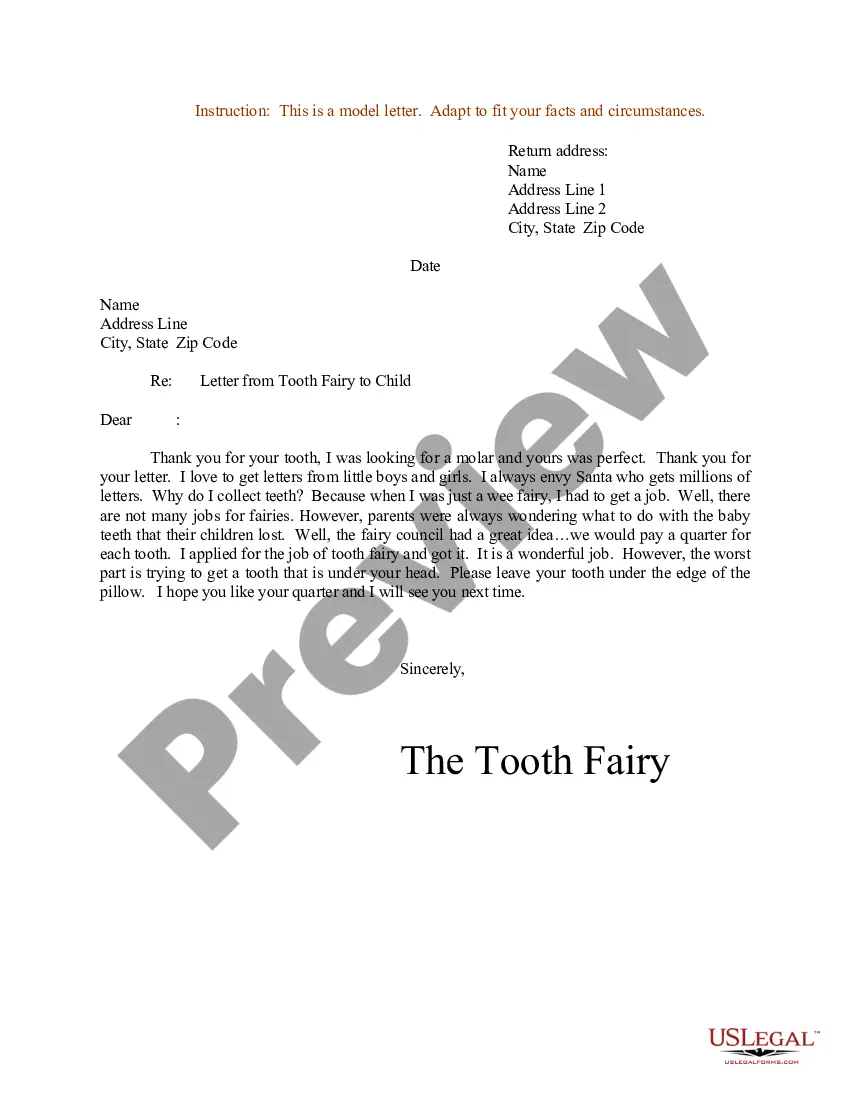
Get your form ready online
Our built-in tools help you complete, sign, share, and store your documents in one place.
Make edits, fill in missing information, and update formatting in US Legal Forms—just like you would in MS Word.
Download a copy, print it, send it by email, or mail it via USPS—whatever works best for your next step.
Sign and collect signatures with our SignNow integration. Send to multiple recipients, set reminders, and more. Go Premium to unlock E-Sign.
If this form requires notarization, complete it online through a secure video call—no need to meet a notary in person or wait for an appointment.
We protect your documents and personal data by following strict security and privacy standards.

Make edits, fill in missing information, and update formatting in US Legal Forms—just like you would in MS Word.

Download a copy, print it, send it by email, or mail it via USPS—whatever works best for your next step.

Sign and collect signatures with our SignNow integration. Send to multiple recipients, set reminders, and more. Go Premium to unlock E-Sign.

If this form requires notarization, complete it online through a secure video call—no need to meet a notary in person or wait for an appointment.

We protect your documents and personal data by following strict security and privacy standards.
Looking for another form?




Form popularity
FAQ
Child custody agreements can be made through informal negotiations that are conducted between parents and other parties through an Alternative Dispute Resolution (ADR). It's an emerging concept that covers a number of situations where disputes between parties can be resolved without going through a lengthy trial.
How To File For Custody of a Child in Texas Step 1: Determine the Correct Court. Step 2: Complete the Required Forms. Step 3: File the Petition. Step 4: Serve the Other Parent. Step 5: Prepare for Mediation. Step 6: Attend the Court Hearing. Step 7: Follow the Court's Decision.
The legal definition of an unfit parent is when the parent through their conduct fails to provide proper guidance, care, or support. Also, if there is abuse, neglect, or substance abuse issues, that parent will be deemed unfit.
An uncontested custody case could take only a couple of months or less. However, the process can take over a year if it's contested. Many fall between these two extremes, and most parents eventually settle with the help of a mediator. Sometimes there are good reasons to go to a trial on a custody matter.
Texas law does permit a parent to petition the court to voluntarily relinquish his or her parental rights. It requires an affidavit of voluntary relinquishment, but it also requires a petition, proper service of process, usually an appointment of a guardian ad litem and maybe an attorney ad litem.
When deciding on the best interests of a child the judge is likely to consider the following factors: The child's age. Consistency of care. Safety and wellbeing. Evidence of parental ability.
Character witnesses should be individuals who are familar with your family and have observed your interactions with your children. They can be family members, but non-family is best as they will not have a bias.
The "best interests of the child" standard is used in custody cases to determine the best arrangement for a child's well-being. This standard accounts for the child's health as well as their emotional and developmental needs. Parents may resolve a child custody matter out of court through negotiation and agreement.
The most basic part of the "best interests" standard is that custody decisions should serve the children's health, safety, and welfare. Judges will look at whether one or both parents are able to handle a child's special educational, medical, mental health, and other needs.
How to prove the best interest of the child Keep a log of child-related expenses. Get reliable child care. Ask others to testify on your behalf. Show that you're willing to work with the other parent. Know your child's interests. Have a safe place for your child to live. Behave in court.

