Sample Letter For Child Custody In Illinois
Description
Get your form ready online
Our built-in tools help you complete, sign, share, and store your documents in one place.
Make edits, fill in missing information, and update formatting in US Legal Forms—just like you would in MS Word.
Download a copy, print it, send it by email, or mail it via USPS—whatever works best for your next step.
Sign and collect signatures with our SignNow integration. Send to multiple recipients, set reminders, and more. Go Premium to unlock E-Sign.
If this form requires notarization, complete it online through a secure video call—no need to meet a notary in person or wait for an appointment.
We protect your documents and personal data by following strict security and privacy standards.

Make edits, fill in missing information, and update formatting in US Legal Forms—just like you would in MS Word.

Download a copy, print it, send it by email, or mail it via USPS—whatever works best for your next step.

Sign and collect signatures with our SignNow integration. Send to multiple recipients, set reminders, and more. Go Premium to unlock E-Sign.

If this form requires notarization, complete it online through a secure video call—no need to meet a notary in person or wait for an appointment.

We protect your documents and personal data by following strict security and privacy standards.
Looking for another form?
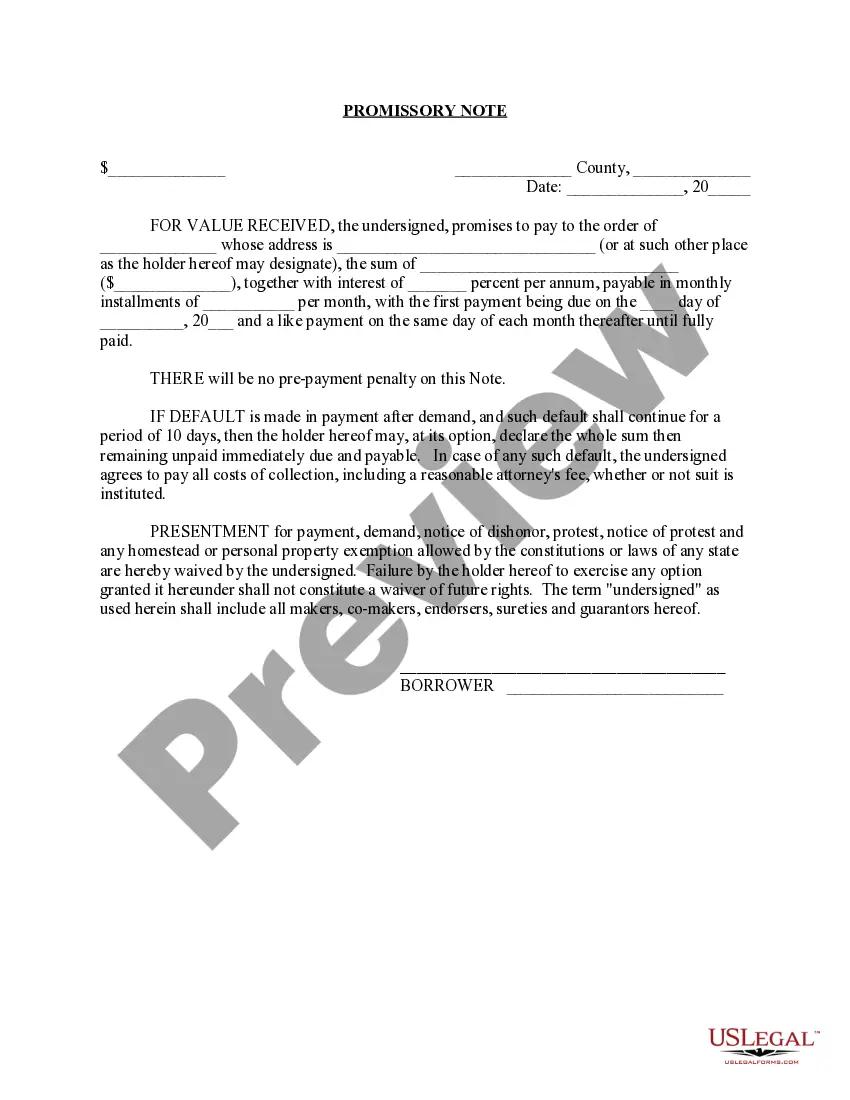
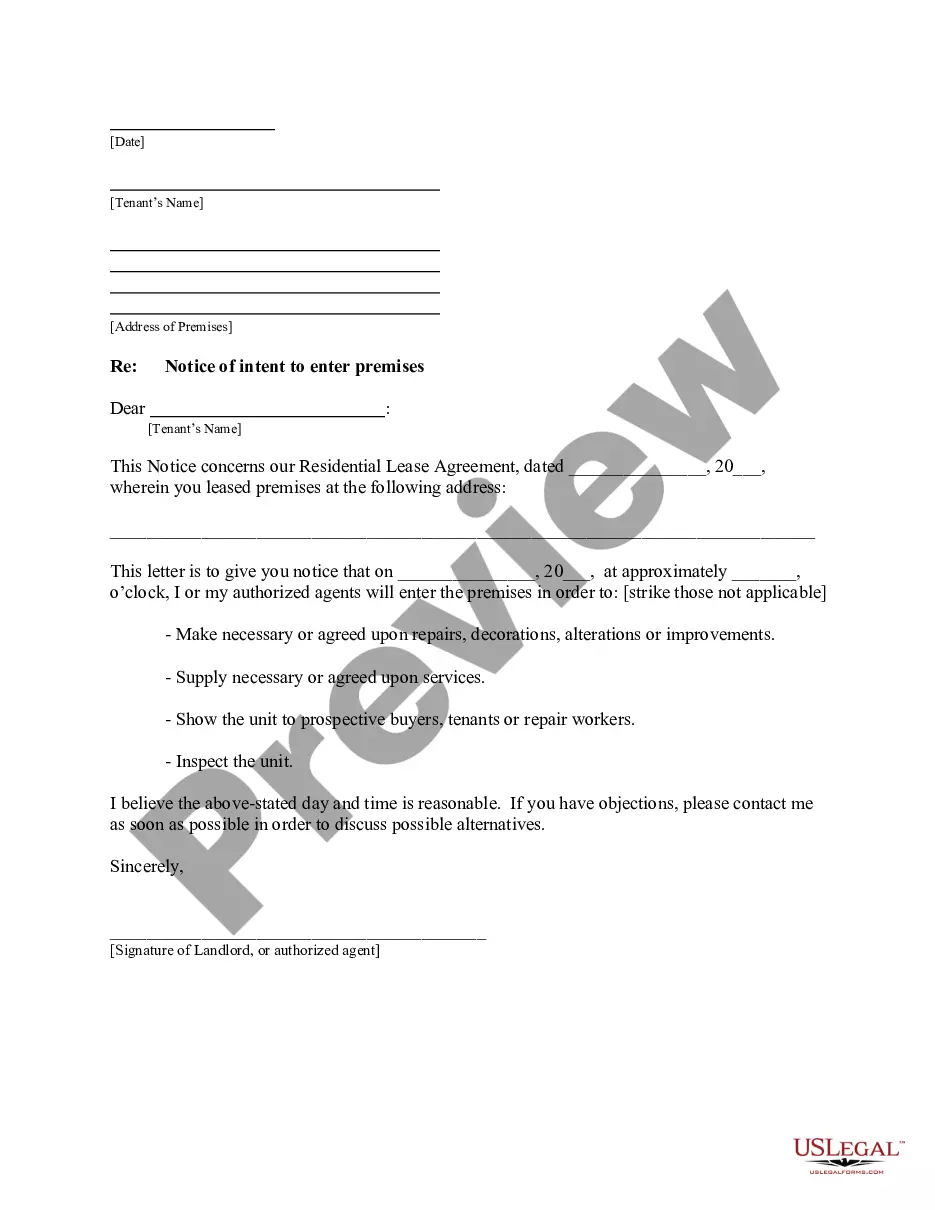
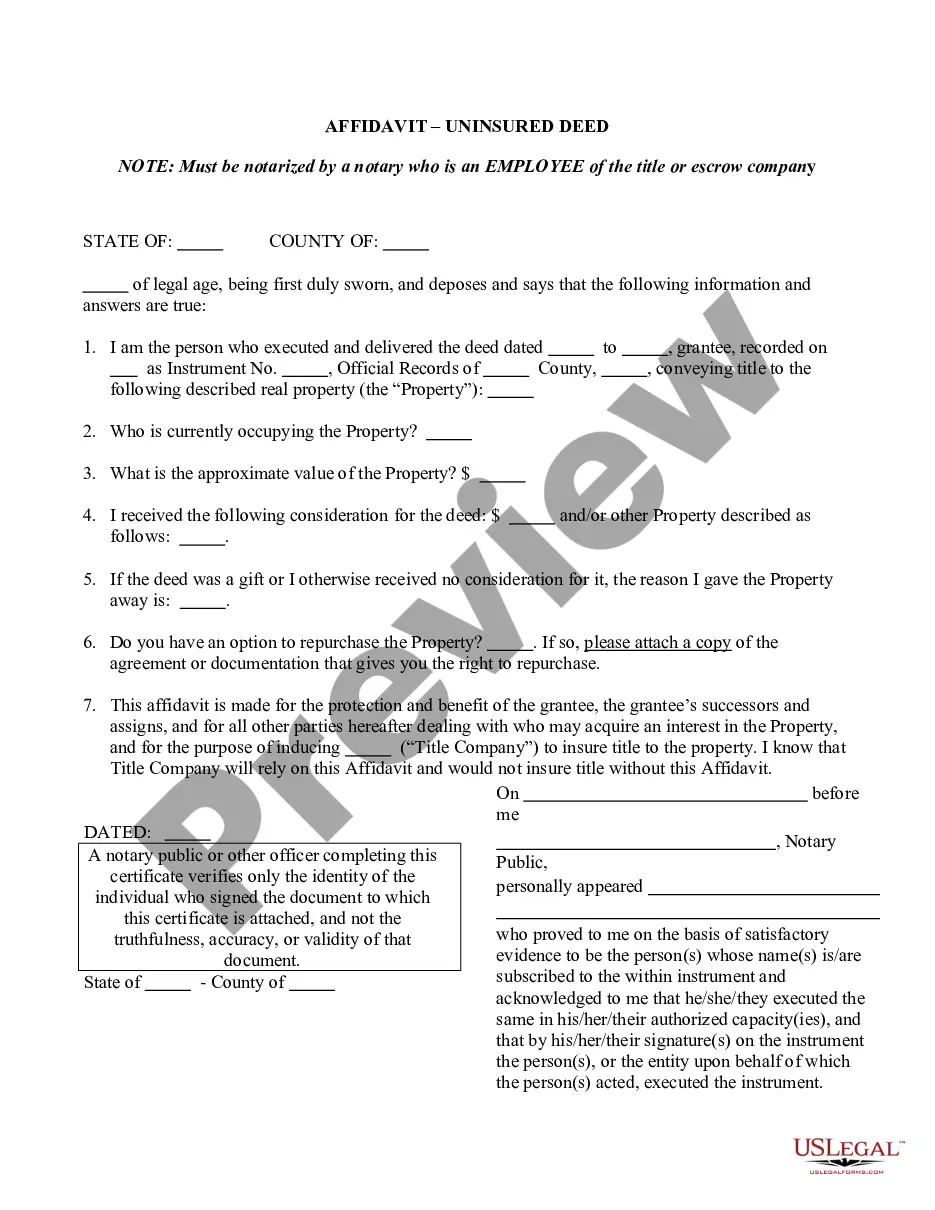
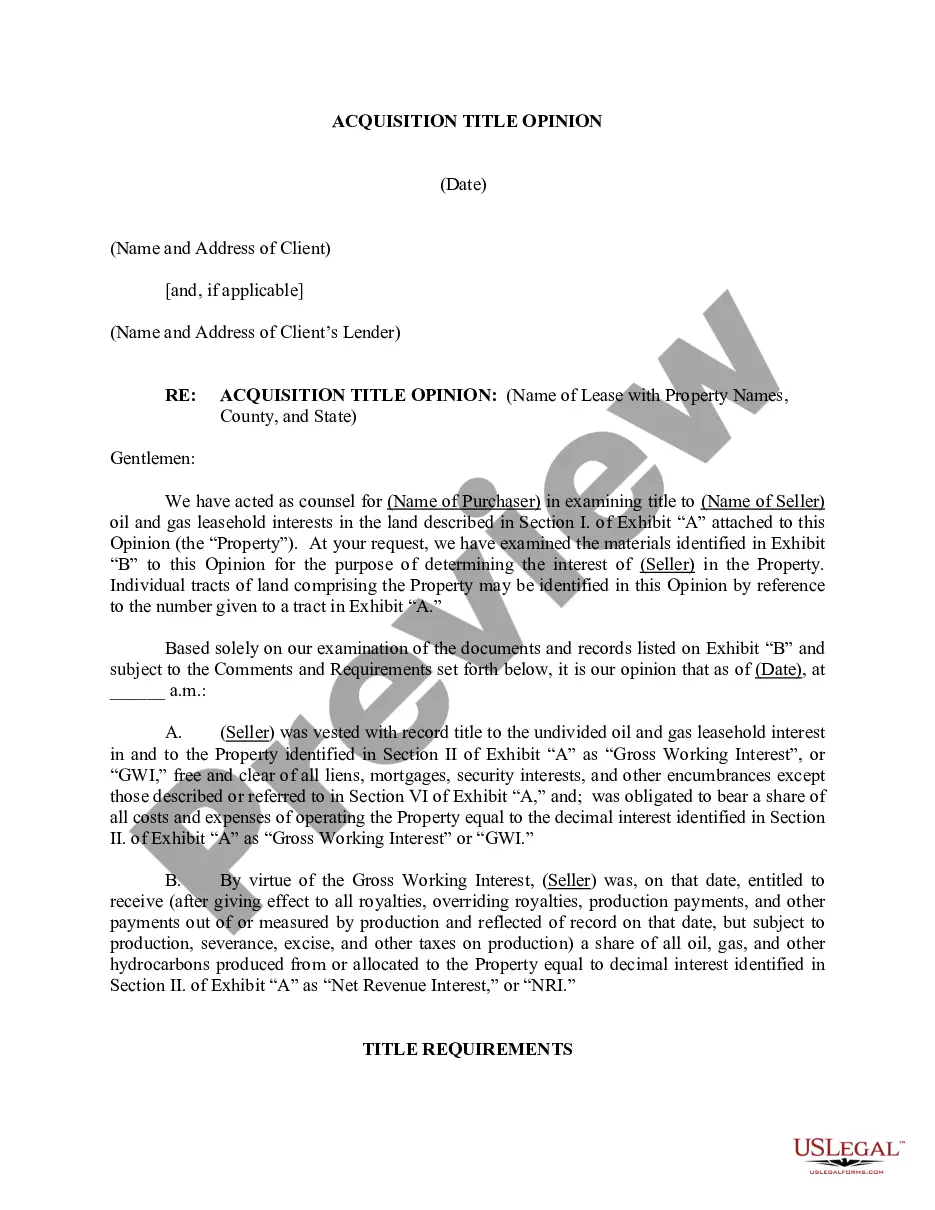
Form popularity
FAQ
What To Include in a Child Custody Declaration Letter Details about the parent writing the letter, including their relationship to the child. A description of the existing custody and visitation arrangement, if applicable. Explanation of why the parent is seeking a change to the custody agreement or child support order.
How To Represent Yourself in Family Court: Child Custody Focus on negotiations. Do your research. Gather strong evidence. Understand the court process. Take advantage of family court self-help programs. Put your best foot forward. Use a child custody app.
Keeping a child away from the other parent without a valid reason or court order can have legal ramifications. The alienating parent may face legal consequences, including modifications to custody arrangements or even loss of custodial rights.
Avoid Criticizing the Other Parent One of the biggest mistakes you can make during a child custody battle is criticizing the other parent. Courts expect parents to show they can co-parent, and constant negativity can reflect poorly on you in the eyes of the court.
Disrespectful Language : Avoid using any form of disrespect, such as insults, sarcasm, or derogatory remarks about the judge, the opposing party, or even the legal system. Negative Comments About the Other Parent : Speaking poorly about the other parent can reflect badly on you. Emotional Outbursts
Tips for writing a character reference letter for custody Keep it relevant: Align the content with what is important for raising a child, such as emotional support, stability, and active involvement in the child's life. Be concise: While detail is important, the letter should be concise—typically one page.
For example, you can say, Your Honor, my child/ren have lived with me and I have been their primary caregiver since they were born, and therefore, I believe it is in the best interest of my child/ren (or their names) to continue to live primarily with me, and have x parenting time with their other parent.
Who has custody of a child if there is no court order in Illinois? If parents are married and there is no court order, then both parents have custody of the child. If parents are unmarried, then the mother has sole custody until the father's rights are established when paternity is proven.
A parent is unfit if there is proof of them doing things like abusing, abandoning, or neglecting. If a parent is deemed unfit, they will no longer have custody of the child.
