College Cover Letter Examples For Highschool Students In Texas
Description

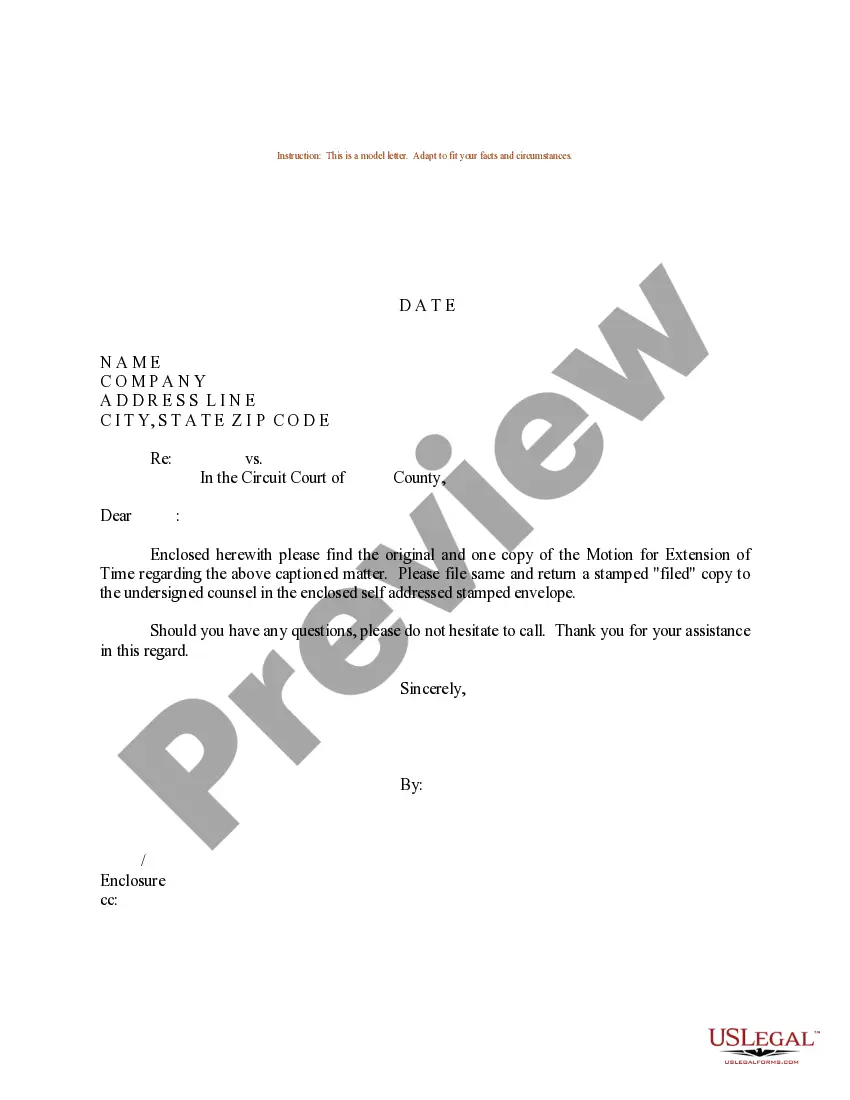
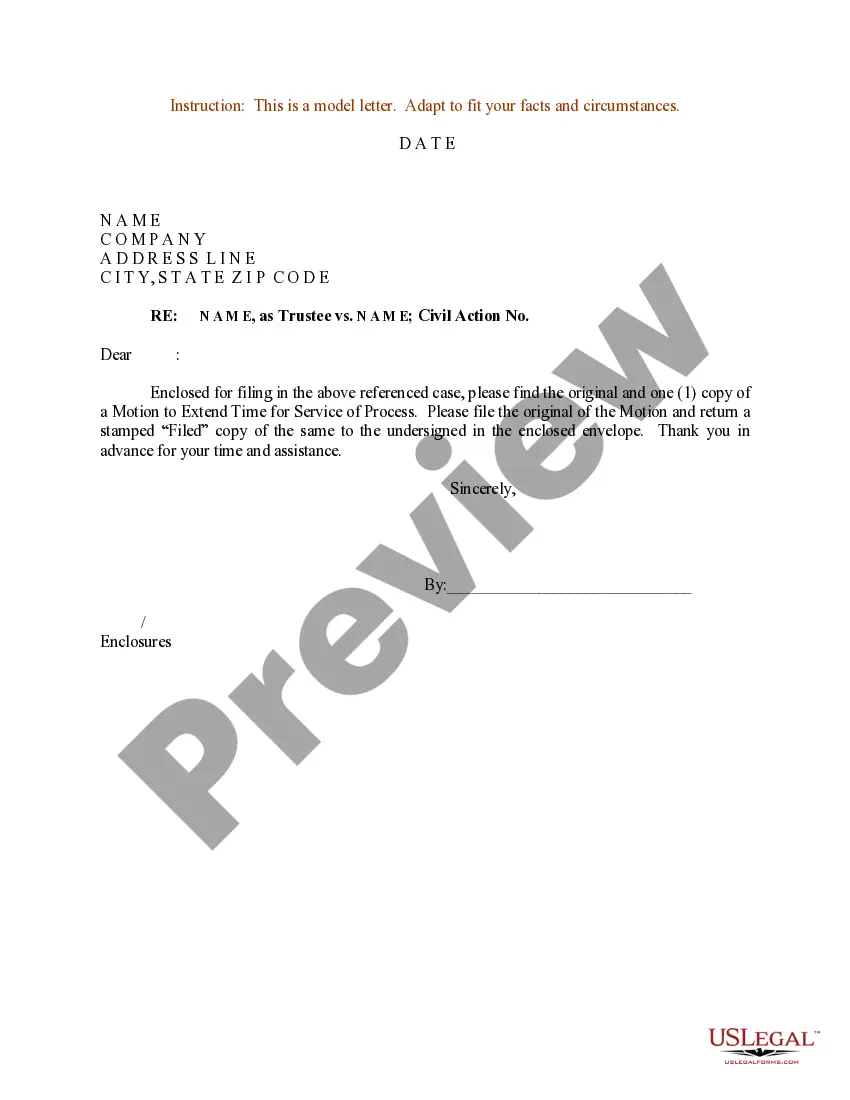
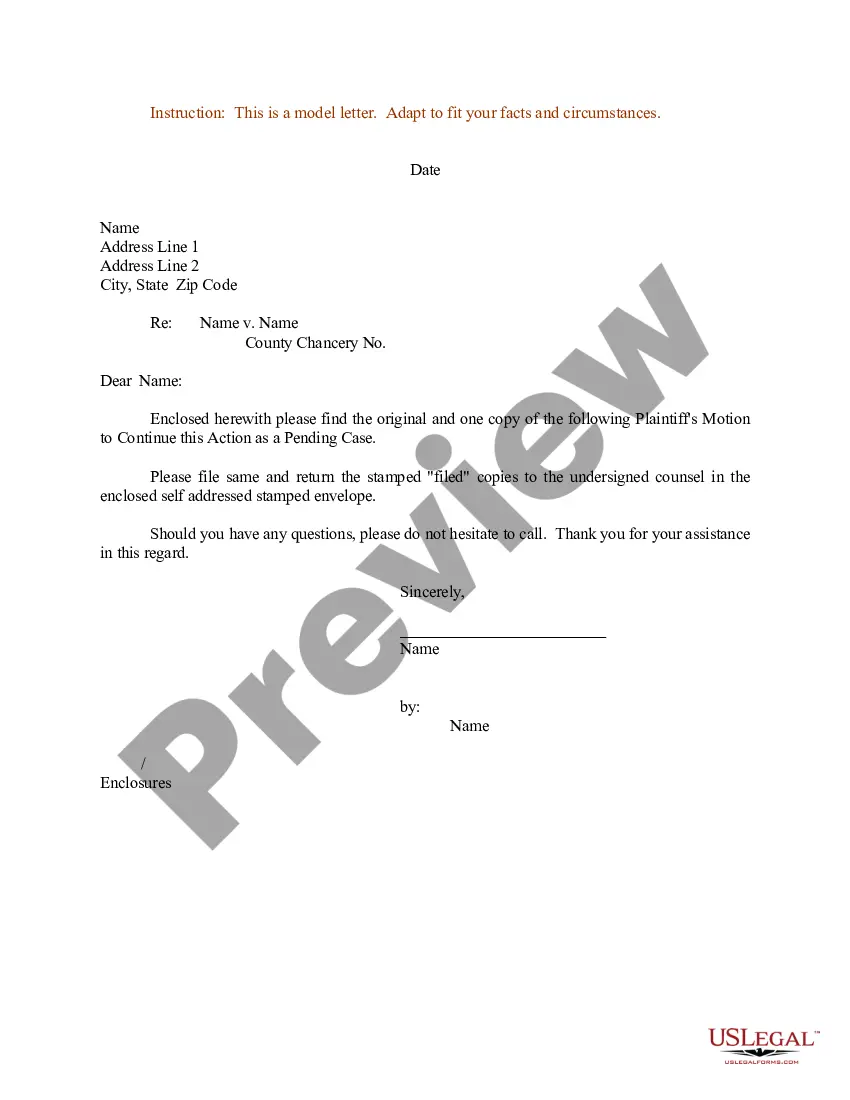
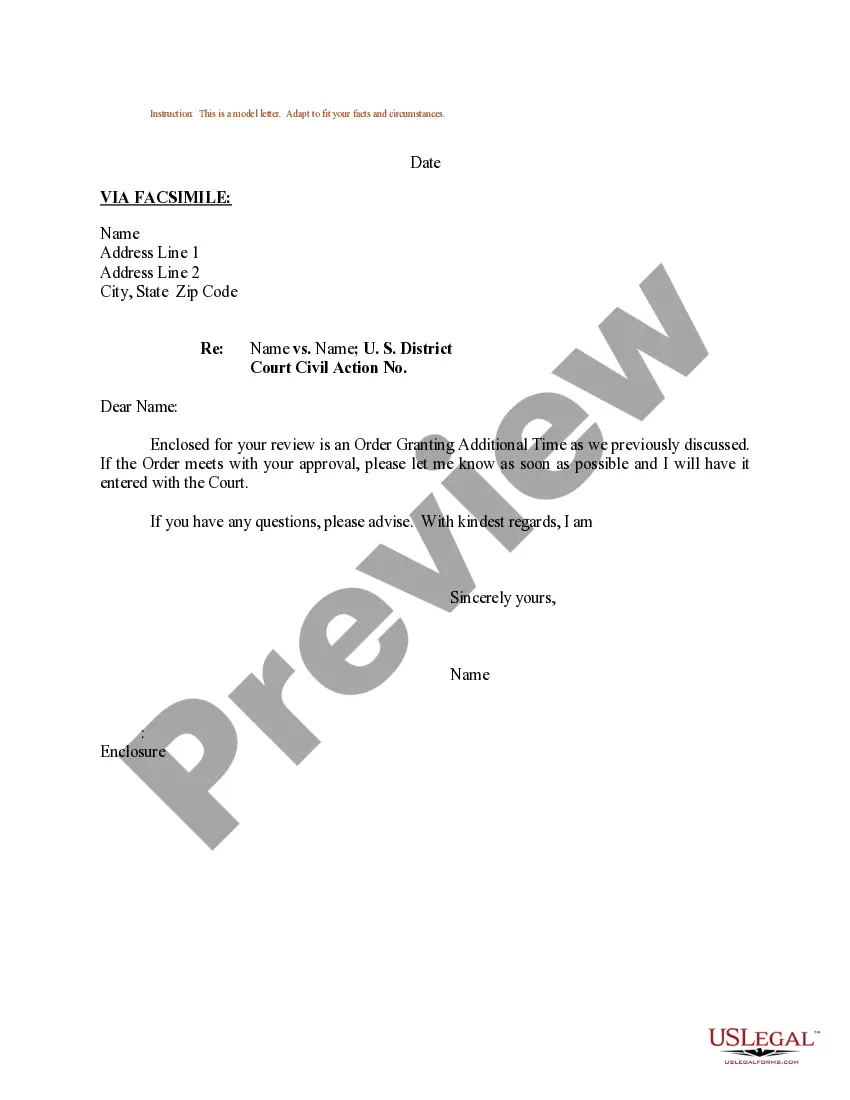
Get your form ready online
Our built-in tools help you complete, sign, share, and store your documents in one place.
Make edits, fill in missing information, and update formatting in US Legal Forms—just like you would in MS Word.
Download a copy, print it, send it by email, or mail it via USPS—whatever works best for your next step.
Sign and collect signatures with our SignNow integration. Send to multiple recipients, set reminders, and more. Go Premium to unlock E-Sign.
If this form requires notarization, complete it online through a secure video call—no need to meet a notary in person or wait for an appointment.
We protect your documents and personal data by following strict security and privacy standards.

Make edits, fill in missing information, and update formatting in US Legal Forms—just like you would in MS Word.

Download a copy, print it, send it by email, or mail it via USPS—whatever works best for your next step.

Sign and collect signatures with our SignNow integration. Send to multiple recipients, set reminders, and more. Go Premium to unlock E-Sign.

If this form requires notarization, complete it online through a secure video call—no need to meet a notary in person or wait for an appointment.

We protect your documents and personal data by following strict security and privacy standards.
Looking for another form?










Form popularity
FAQ
Mention the job (or type of job) you're applying for (or looking for) show that your skills and experience match the skills and experience needed to do the job. encourage the reader to read your resume. finish with a call to action (for example, asking for an interview or a meeting).
Open with a strong introduction Show your enthusiasm for the company or role. Lead with an impressive achievement that highlights skills that are essential to the job. Research the company to show initiative, but be strategic with how you incorporate this information in your cover letter.
GPA Value: If your GPA is 3.0 or higher (on a 4.0 scale), it's generally advisable to include it. If it's lower, you might consider omitting it, especially if you have relevant work experience or skills that can better showcase your qualifications.
You can include your GPA if it is strong and shows an accomplishment, or if you are applying to a position that requests you include your grades.
A 2.5 GPA is considered below average, and it's often advisable to omit it from your resume unless specifically requested. If included, balance it with strong work experience or other achievements.
GPA Value: If your GPA is 3.0 or higher (on a 4.0 scale), it's generally advisable to include it. If it's lower, you might consider omitting it, especially if you have relevant work experience or skills that can better showcase your qualifications.
How to Write a Cover Letter With No Experience List your contact information. Include the hiring manager's contact details. Address the hiring manager by name. Write an attention-grabbing opening paragraph. Explain why you're the best fit for the role. Describe your relevant skills. Mention your top achievements.
Make no reference to GPA on a resume/CV or in a cover letter. Grades are not an accurate reflection of one's true intelligence, capabilities, nor ability to perform on the job. And grades can be skewed for many reasons. Now if the issue happens to come up during an interview, then you'd explain why.
How to write a college student cover letter Do some research. Verify the instructions. Communicate your contact details. Confirm the recipient's contact information. Create a subject line. Introduce yourself. Tell the reader about your education. Explain why you are a good fit for the job.

