Cover Letter Sample For College Application In San Antonio
Description



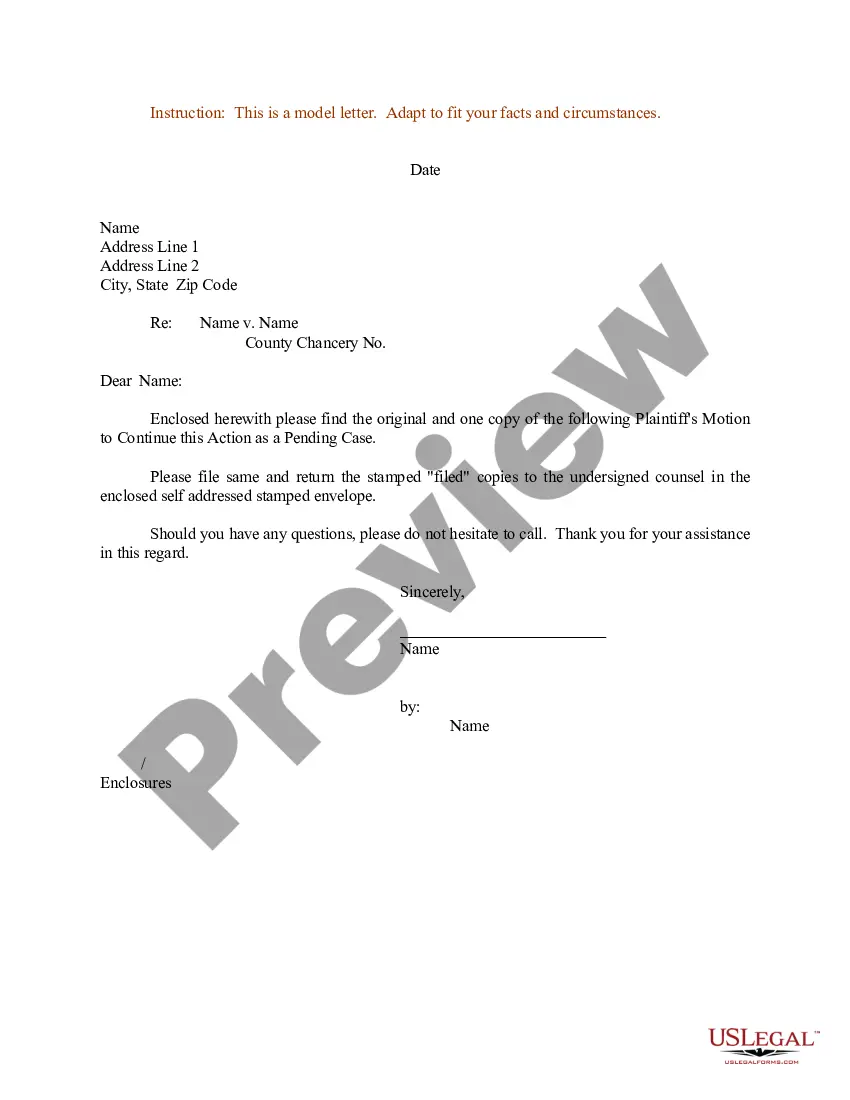
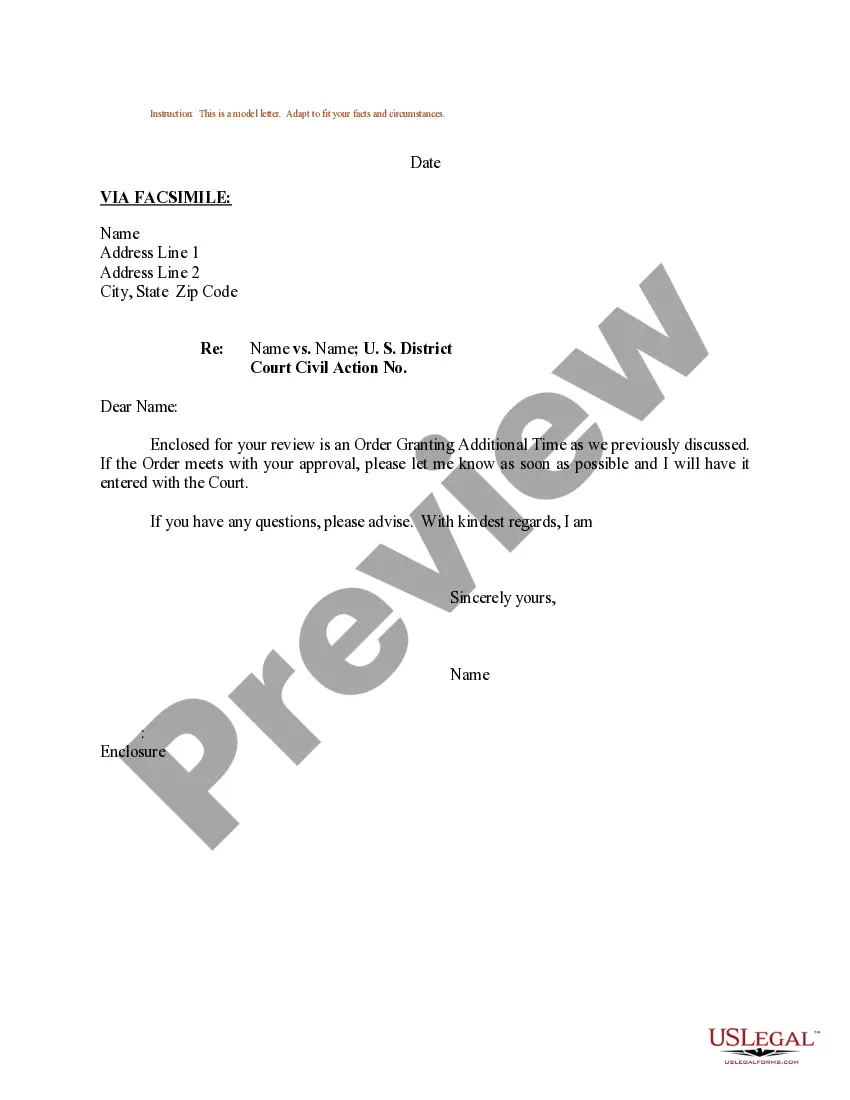
Get your form ready online
Our built-in tools help you complete, sign, share, and store your documents in one place.
Make edits, fill in missing information, and update formatting in US Legal Forms—just like you would in MS Word.
Download a copy, print it, send it by email, or mail it via USPS—whatever works best for your next step.
Sign and collect signatures with our SignNow integration. Send to multiple recipients, set reminders, and more. Go Premium to unlock E-Sign.
If this form requires notarization, complete it online through a secure video call—no need to meet a notary in person or wait for an appointment.
We protect your documents and personal data by following strict security and privacy standards.

Make edits, fill in missing information, and update formatting in US Legal Forms—just like you would in MS Word.

Download a copy, print it, send it by email, or mail it via USPS—whatever works best for your next step.

Sign and collect signatures with our SignNow integration. Send to multiple recipients, set reminders, and more. Go Premium to unlock E-Sign.

If this form requires notarization, complete it online through a secure video call—no need to meet a notary in person or wait for an appointment.

We protect your documents and personal data by following strict security and privacy standards.
Looking for another form?




Form popularity
FAQ
Provide examples to demonstrate that you are aware of the challenges your chosen course of study entails – and ready to tackle them. You should also explain why the program is the right choice for you, covering what it offers you, what electives you would choose, what aspects you are most looking forward to, and so on.
Your cover letter should answer who, what, when, where and why you are applying for the opportunity. Introduction. State the position for which you are applying. Body Paragraphs. These paragraphs will highlight your qualifications and strengths that are most relevant to the organization and position. Conclusion.
How to Write a Cover Letter With No Experience Read the job description and company website. Add your contact information to the header. Greet the hiring manager. Write an attention-grabbing opening paragraph. Highlight your relevant skills and achievements. Emphasize that you're willing to learn. Close with a call to action.
How to write an application letter Address your letter. Use proper salutation. Create a subject line. Introduce yourself, your purpose and your interests. Highlight your skills and achievements. Reiterate your interest. Thank the reviewer. Closing salutation and sign.
Tips for writing an admission letter for college Research the college. Before you submit your application, find out more about the institution you're interested. Be concise. Keep your cover letter brief, to the point and a maximum of one page. Be specific. Emphasize your uniqueness. Proofread your cover letter.
Learn how to master cover letters Be professional and personable in tone. Be concise, focussed, and no longer than one page. Avoid academic language and long complicated sentences. If possible, include the name and position of the person who will receive your application.
The typical letter is thus usually one and a half to two pages long, but not more than two—roughly five to eight paragraphs.
How should I prepare to write my academic cover letter? Get to know the institution. Learn about the department. Consider the students. Research Experiences. Teaching Experience. Internships/Summer/Other Experiences. Identify the position you are applying to and introduce yourself.
Use these tips to help guide your writing: Research the college. Before you submit your application, find out more about the institution you're interested. Be concise. Keep your cover letter brief, to the point and a maximum of one page. Be specific. Emphasize your uniqueness. Proofread your cover letter.

