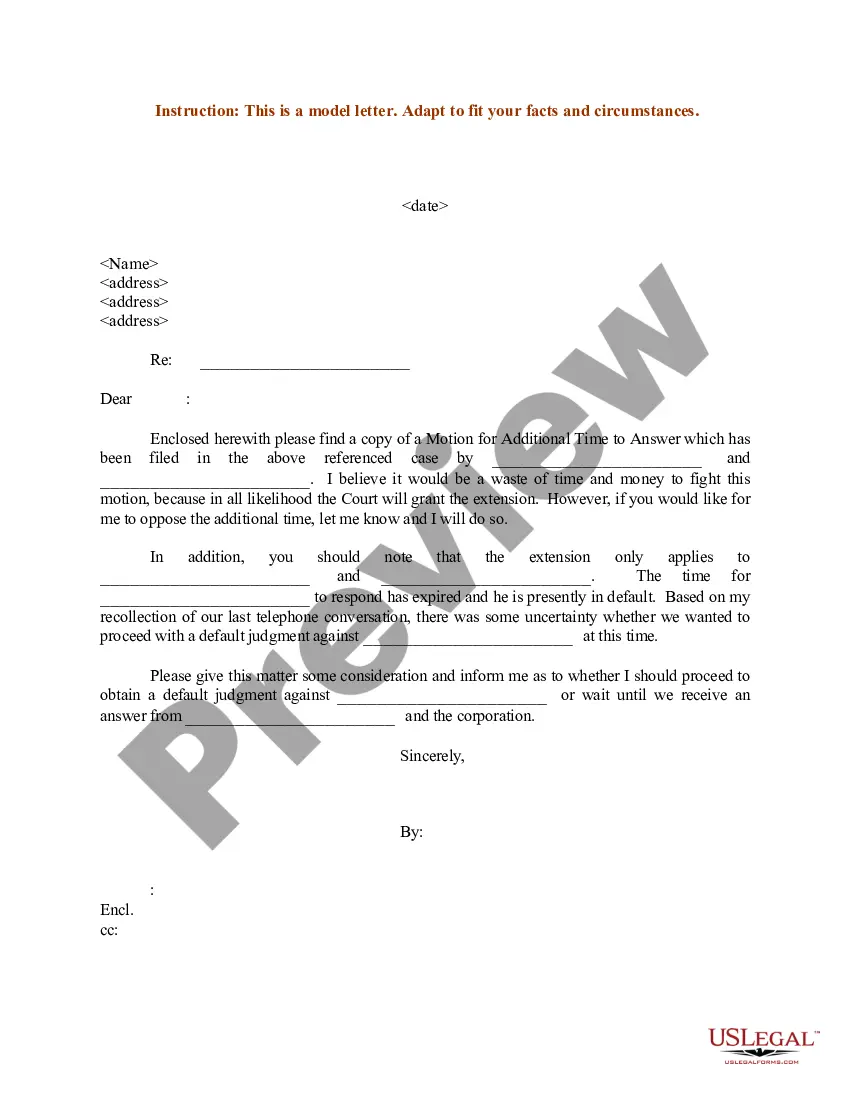
College Admission Sample Letter Of Recommendation In San Antonio
Description
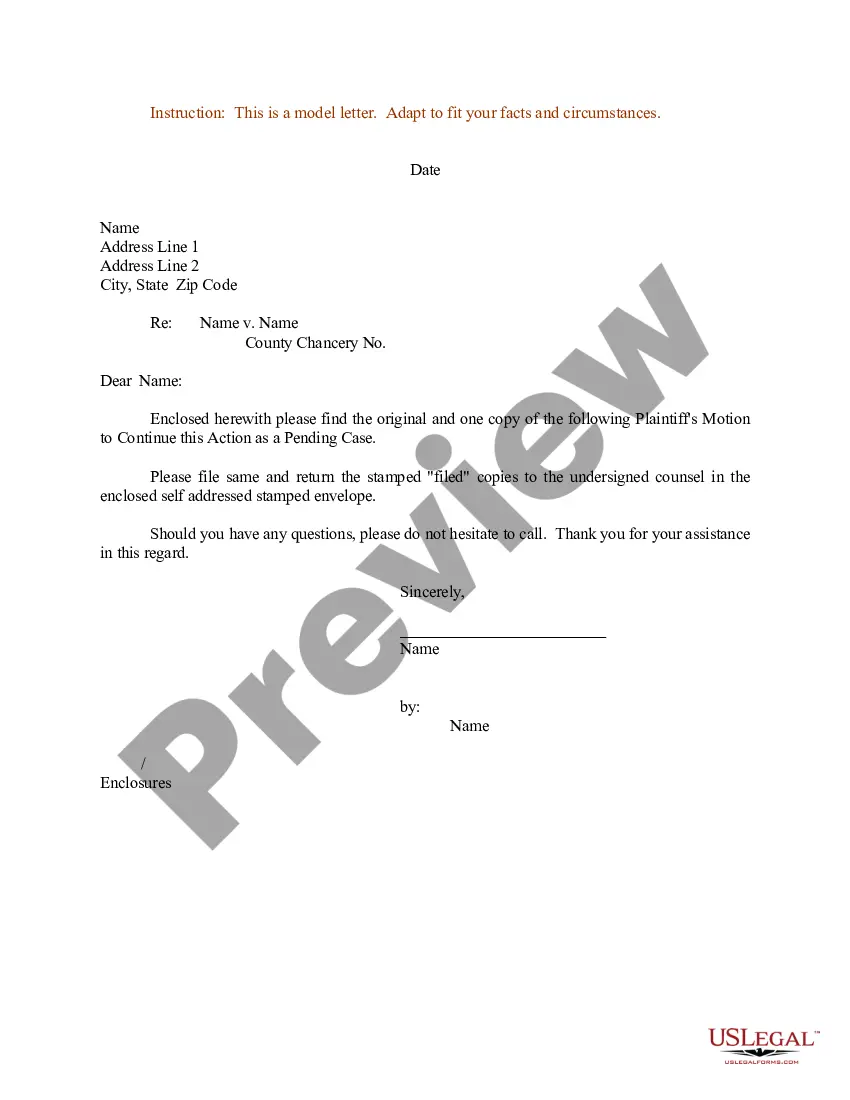
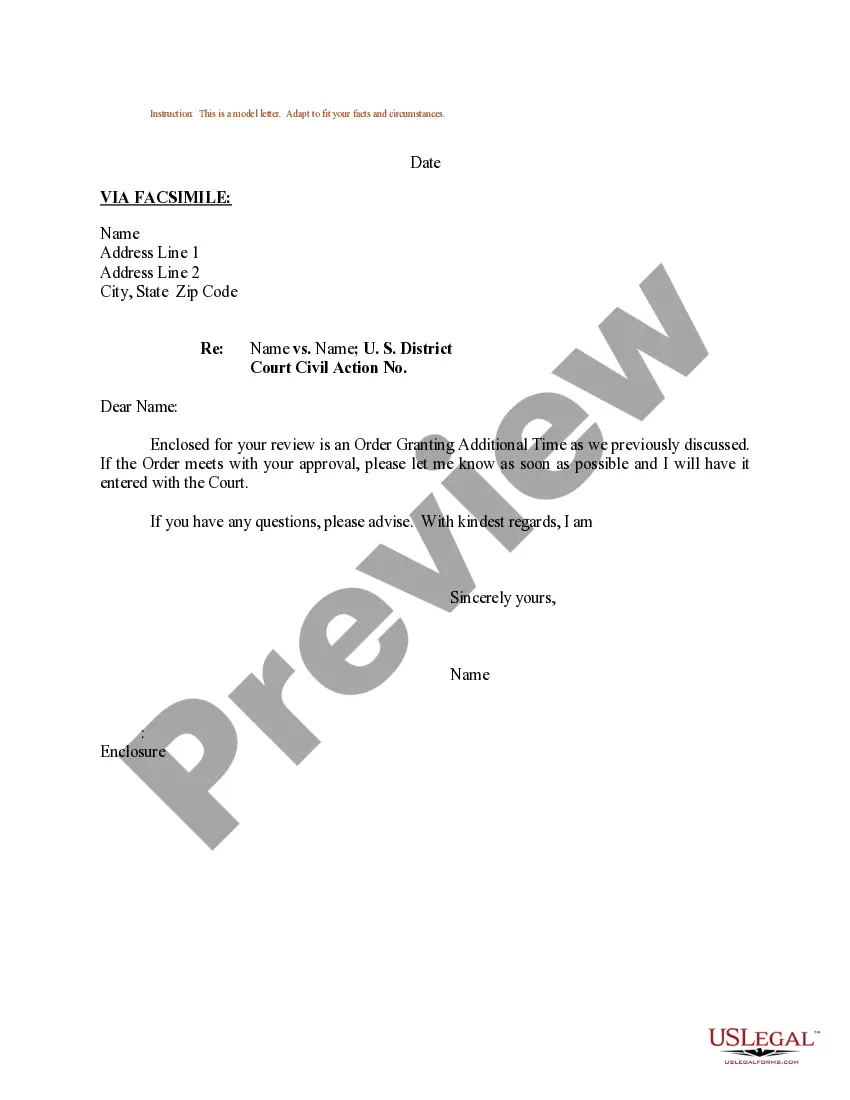
Get your form ready online
Our built-in tools help you complete, sign, share, and store your documents in one place.
Make edits, fill in missing information, and update formatting in US Legal Forms—just like you would in MS Word.
Download a copy, print it, send it by email, or mail it via USPS—whatever works best for your next step.
Sign and collect signatures with our SignNow integration. Send to multiple recipients, set reminders, and more. Go Premium to unlock E-Sign.
If this form requires notarization, complete it online through a secure video call—no need to meet a notary in person or wait for an appointment.
We protect your documents and personal data by following strict security and privacy standards.

Make edits, fill in missing information, and update formatting in US Legal Forms—just like you would in MS Word.

Download a copy, print it, send it by email, or mail it via USPS—whatever works best for your next step.

Sign and collect signatures with our SignNow integration. Send to multiple recipients, set reminders, and more. Go Premium to unlock E-Sign.

If this form requires notarization, complete it online through a secure video call—no need to meet a notary in person or wait for an appointment.

We protect your documents and personal data by following strict security and privacy standards.
Looking for another form?
Form popularity
FAQ
The introduction, which first and foremost includes your statement of recommendation (i.e. “it is my pleasure to recommend…”). It is common to also briefly state who you are and what your expertise is. The overview, or a description of the applicant's top skills, attributes, and strengths.
Colleges value recommendations because they: Show your talents beyond test scores and grades. Describe real-life examples of your personality and character. Discuss your relationships in the academic community.
The introduction, which first and foremost includes your statement of recommendation (i.e. “it is my pleasure to recommend…”). It is common to also briefly state who you are and what your expertise is. The overview, or a description of the applicant's top skills, attributes, and strengths.
The list of key parts are: Introduction and statement of recommendation. List of specific reasons you are recommending them to the position. Personal story with evidence of their qualities (soft and hard skills) Closing statement with contact information. Signature.
Students generally don't submit their own letters of recommendation. Teachers, counselors and other recommenders usually send them in electronically via whichever application platform a student is using, such as the Common App.
What to Do if You Don't Have Anyone to Write You a Recommendation Letter Reach out to your academic advisor. Reach out to former professors. Ask your boss (or former boss) ... Take a class and build a relationship. Talk to Admissions.
Students generally don't submit their own letters of recommendation. Teachers, counselors and other recommenders usually send them in electronically via whichever application platform a student is using, such as the Common App.
The letter from a few years ago isn't bad. And so, just ask if the professor would re-date the letter. If you're reapplying to medical school, or you unfortunately got a letter several years ago.
I'd say the half-life is about 3–5 years, but it's very context-dependent. If, for instance, the letter is about a specific thing a person did, then the passage of time may not alter any facts about it and hence the letter does not decay (though its utility may decline).