Write Job Application Letter With Resume In Hillsborough
Description



Get your form ready online
Our built-in tools help you complete, sign, share, and store your documents in one place.
Make edits, fill in missing information, and update formatting in US Legal Forms—just like you would in MS Word.
Download a copy, print it, send it by email, or mail it via USPS—whatever works best for your next step.
Sign and collect signatures with our SignNow integration. Send to multiple recipients, set reminders, and more. Go Premium to unlock E-Sign.
If this form requires notarization, complete it online through a secure video call—no need to meet a notary in person or wait for an appointment.
We protect your documents and personal data by following strict security and privacy standards.

Make edits, fill in missing information, and update formatting in US Legal Forms—just like you would in MS Word.

Download a copy, print it, send it by email, or mail it via USPS—whatever works best for your next step.

Sign and collect signatures with our SignNow integration. Send to multiple recipients, set reminders, and more. Go Premium to unlock E-Sign.

If this form requires notarization, complete it online through a secure video call—no need to meet a notary in person or wait for an appointment.

We protect your documents and personal data by following strict security and privacy standards.
Looking for another form?


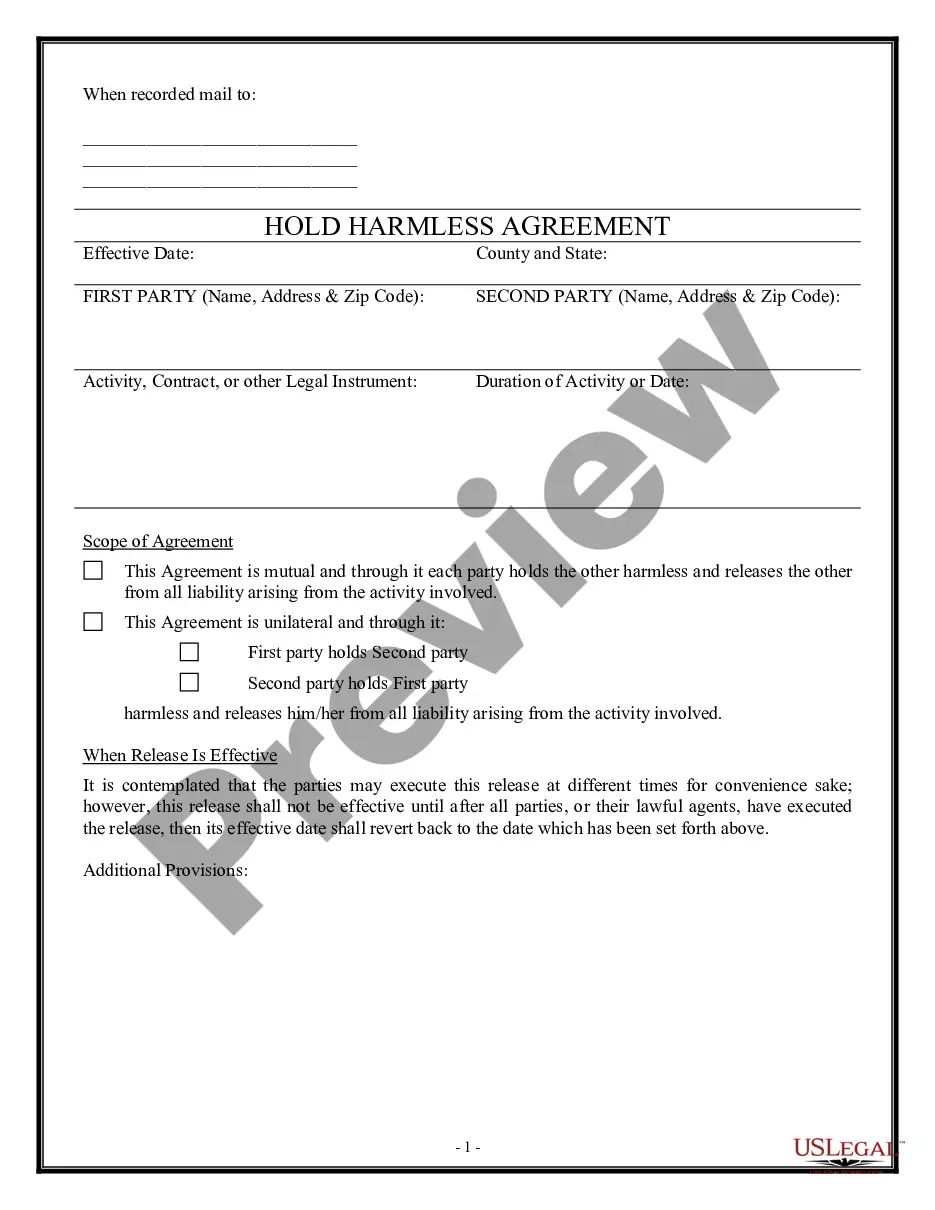
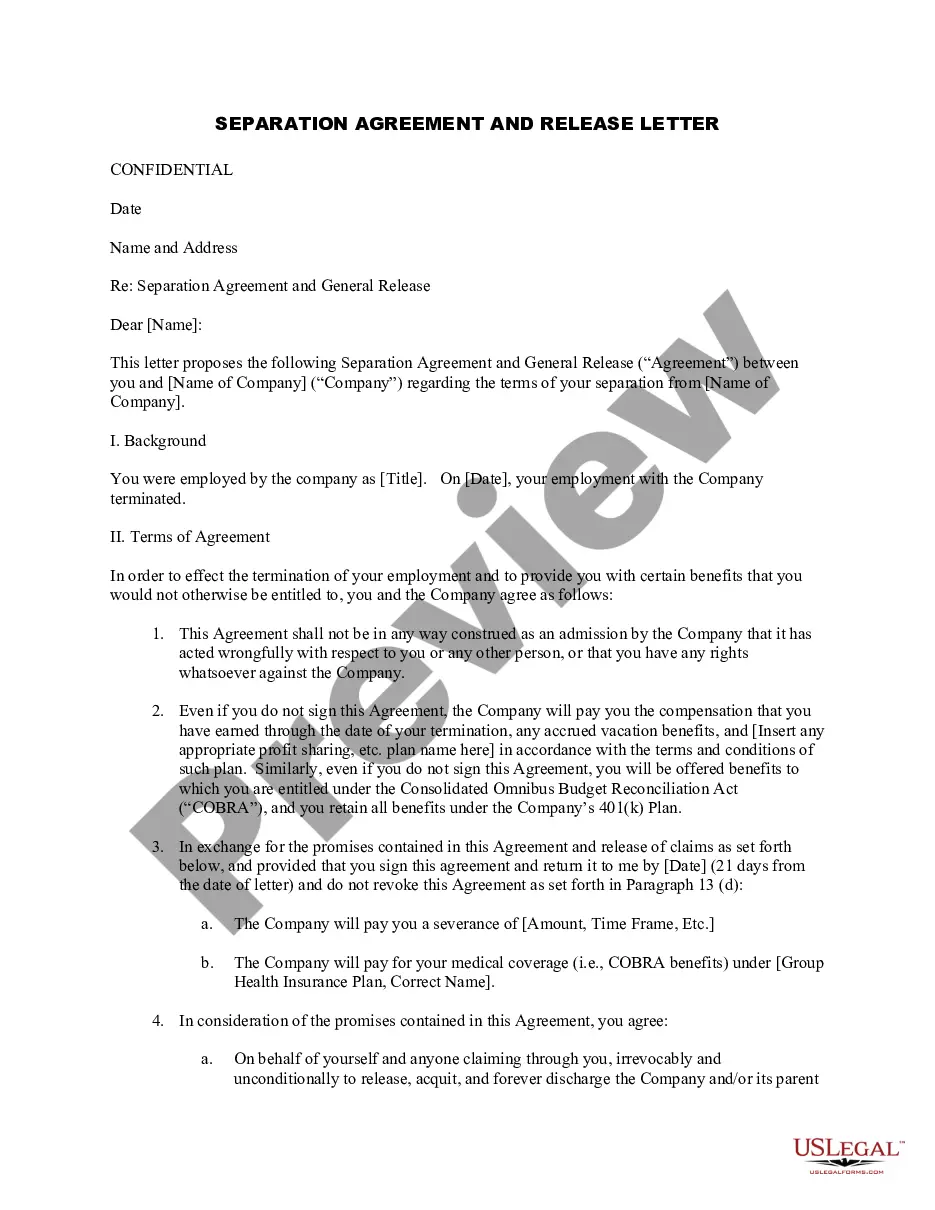
Form popularity
FAQ
The most popular resume format in Canada is the reverse-chronological format (which is also called the chronological format). It's so widely used that it's expected by most recruiters. The chronological format puts your most recent work experiences first and then goes back in time.
Tips for writing a Canadian-style resume Adapt your resume to each job listing and keep it relevant. Optimize for Applicant Tracking System (ATS) but write for humans. Check spelling, grammar, punctuation, and proofread your resume. Quantify your accomplishments. Include a cover letter.
How o You Write A Job Application Letter? Read the job advertisement details. Review professional letter formats. Write a clear heading. Address the letter to the right person. Begin by expressing interest in the job. Describe your eligibility for the job. Highlight your attributes. End the letter with a thank you.
In Canada, you're not supposed to include information like your marital status, religion, gender, age, or sexual orientiation in your cover letter or resume. Unless you're applying for a modelling or acting job, you're also not supposed to include a photo or headshot.
A CV is typically used in academic, research, or scientific fields, where a detailed account of accomplishments is essential. On the other hand, a Canadian Resume is a concise, one- to two-page document that focuses on a candidate's relevant skills, work experience, and achievements.
Tips for writing a Canadian-style resume Adapt your resume to each job listing and keep it relevant. Optimize for Applicant Tracking System (ATS) but write for humans. Check spelling, grammar, punctuation, and proofread your resume. Quantify your accomplishments. Include a cover letter.
How to create a professional resume Choose the right format. Include your name and contact information. Tailor your resume for each position. Add a resume summary or objective. List your soft and hard skills. Detail your professional history. Include an education section. Consider adding optional sections.
How to Write a Cover Letter for a CV Date written. Contact information. Salutation or opening greeting. Opening paragraph - Introduce who you are and explain why you're writing this letter. Body paragraph(s) - Explain why you think you're qualified for the role and how you can add value to the organization.
PDF format is the most professional format for CVs and resumes. Make sure you send them in PDF format and maintain copies of it in other formats like docx etc.
How to write a simple resume Select a resume format. List contact information. Create a resume summary or objective. Include work experience and achievements. Include education. List skills. Add any additional relevant sections.
