Injury Lawyers For In Washington
Description

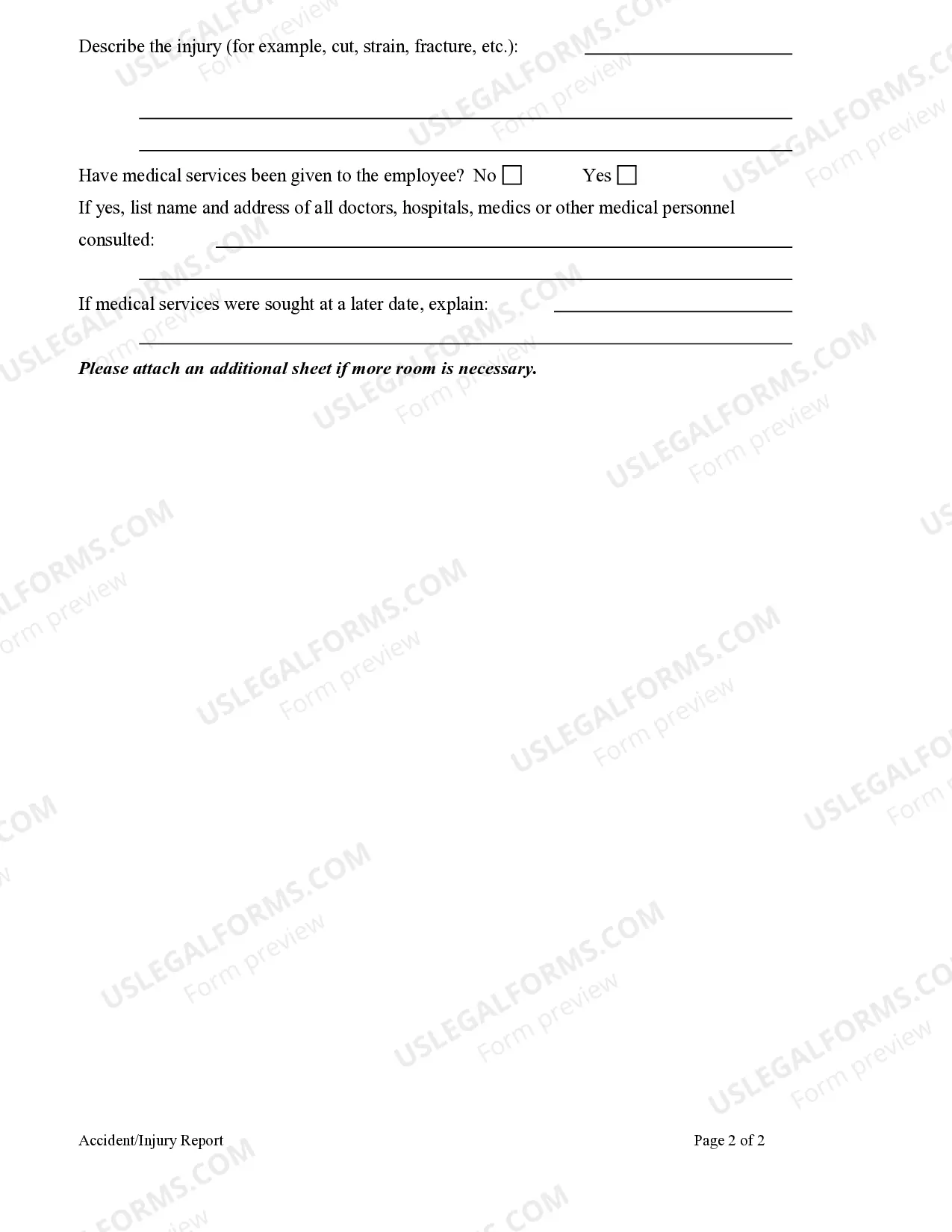
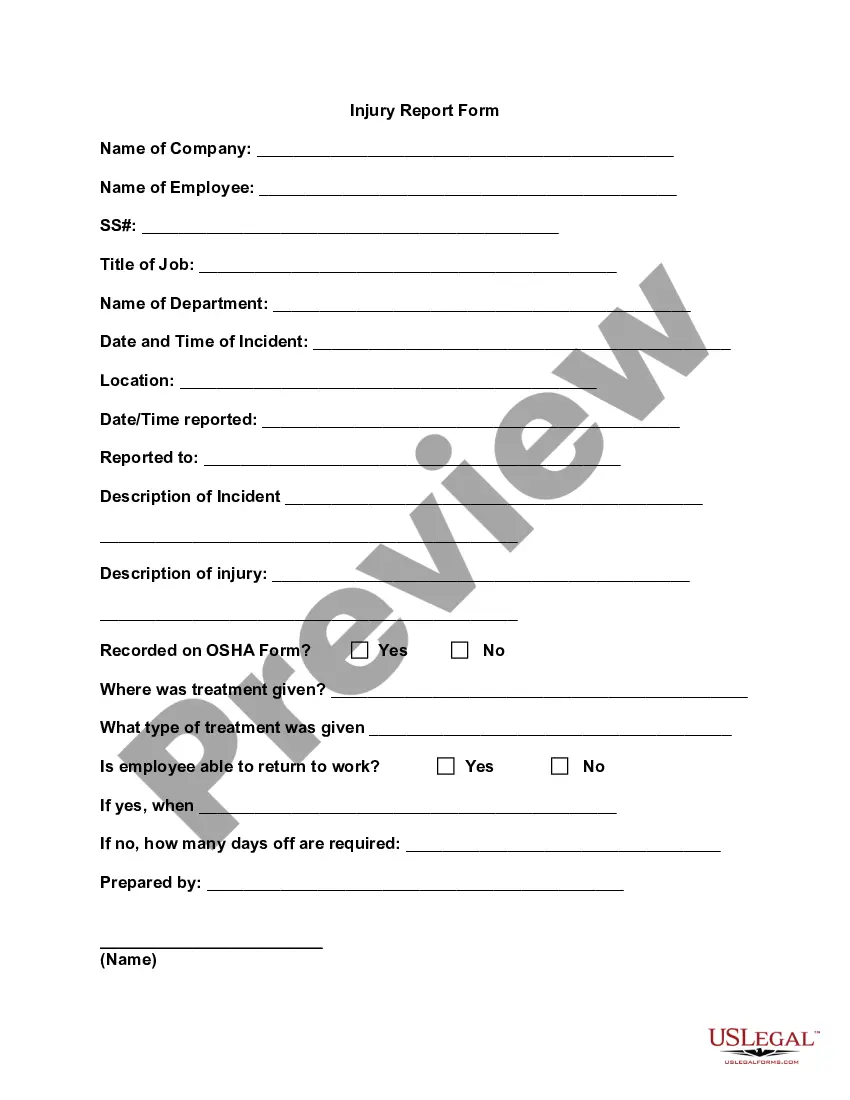
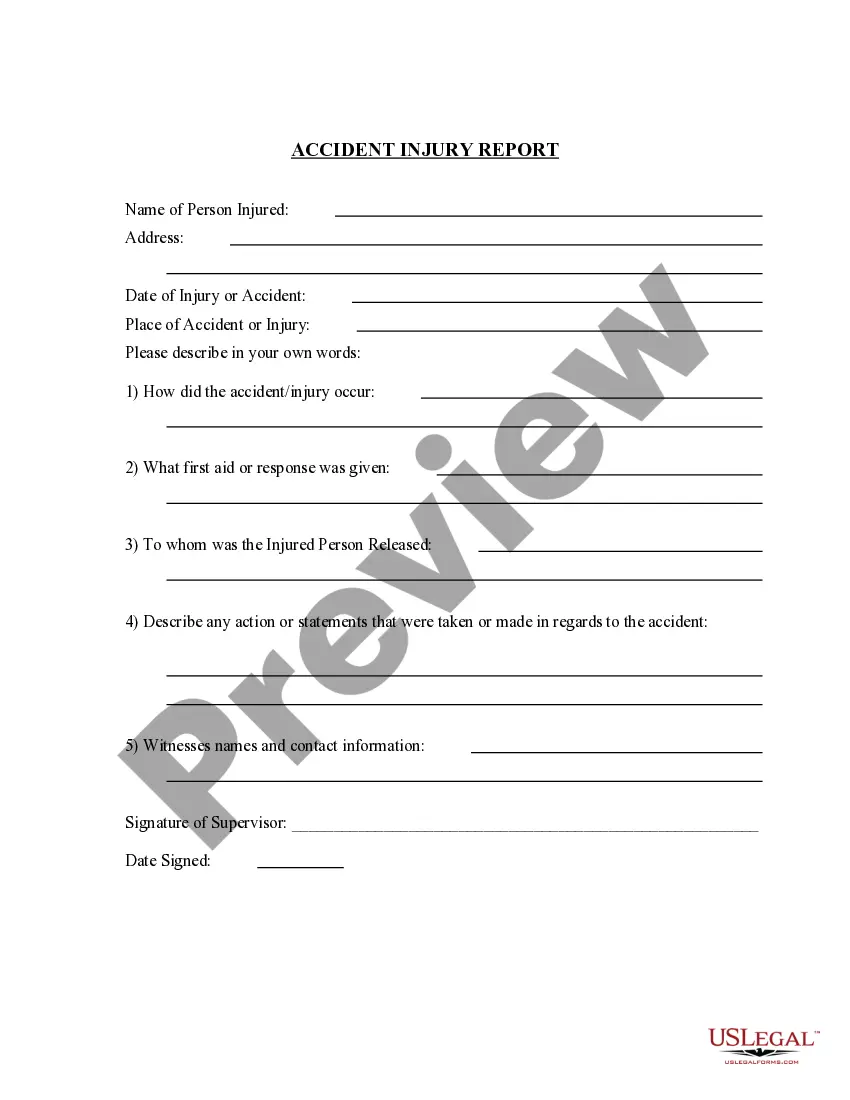
Get your form ready online
Our built-in tools help you complete, sign, share, and store your documents in one place.
Make edits, fill in missing information, and update formatting in US Legal Forms—just like you would in MS Word.
Download a copy, print it, send it by email, or mail it via USPS—whatever works best for your next step.
Sign and collect signatures with our SignNow integration. Send to multiple recipients, set reminders, and more. Go Premium to unlock E-Sign.
If this form requires notarization, complete it online through a secure video call—no need to meet a notary in person or wait for an appointment.
We protect your documents and personal data by following strict security and privacy standards.

Make edits, fill in missing information, and update formatting in US Legal Forms—just like you would in MS Word.

Download a copy, print it, send it by email, or mail it via USPS—whatever works best for your next step.

Sign and collect signatures with our SignNow integration. Send to multiple recipients, set reminders, and more. Go Premium to unlock E-Sign.

If this form requires notarization, complete it online through a secure video call—no need to meet a notary in person or wait for an appointment.

We protect your documents and personal data by following strict security and privacy standards.
Looking for another form?



Form popularity
FAQ
Ing to insurance data, the average payout across the U.S. for a pain and suffering settlement in a personal injury case is approximately $15,000.
The average personal injury settlement amount is approximately $55,056.08, which is based on data from over 5,861 cases that were settled between 2021 and 2024.
Why Do Most Personal Injury Cases Settle Before Trial? Both sides want to avoid the risks and costs of a trial if possible. Trials are time-consuming, costly, and unpredictable. Mediation can often help both sides reach settlement agreements. Insurance companies have an especially strong incentive to settle.
Ing to the U.S. Department of Justice, personal injury lawsuit outcome statistics include a majority (90 to 95 percent) settled before trial. Out of the small percentage that end up seeing a courtroom, the data suggests that the success rate of personal injury cases is around half.
1. Get referrals from friends, family, and/or other lawyers. 2. Research each potential lawyer's background and experience. 3. Make sure the lawyer is licensed to practice in your state. 4. Choose a lawyer who has experience with cases similar to yours.
Time limits The most common claim in a personal injury case is negligence and the time limit for this is 3 years. This means that court proceedings must be issued within 3 years of you first being aware that you have suffered an injury.
Under Washington's civil statute of limitation laws, personal injury claims have a three-year limit for filing, as do fraud, injury to property, and trespassing. Debt collection has a six-year limit. Statutes of limitations aren't suggestions. They are mandatory time limits that the state imposes on most lawsuits.
Washington's Statute of Limitations Personal Injury Claims: If you were injured in the accident, you generally have three years from the date of the accident to file a personal injury lawsuit against the at-fault party.
Personal injury claims Section 14(1) provides that an action for damages for personal injury cannot be commenced if more three years have elapsed from the date the person is aware of the injury. This is generally the date of the crash.
Washington Civil Statute of Limitations Laws: At a Glance Injury to PersonThree years (R.C.W. § 4.16.080) Libel/Slander Two years (R.C.W. § 4.16.100(1)) Fraud Three years (R.C.W. § 4.16.080(4)) Injury to Personal Property Three years (R.C.W. § 4.16.080(2))6 more rows
