Personal Injury For In Utah
Description

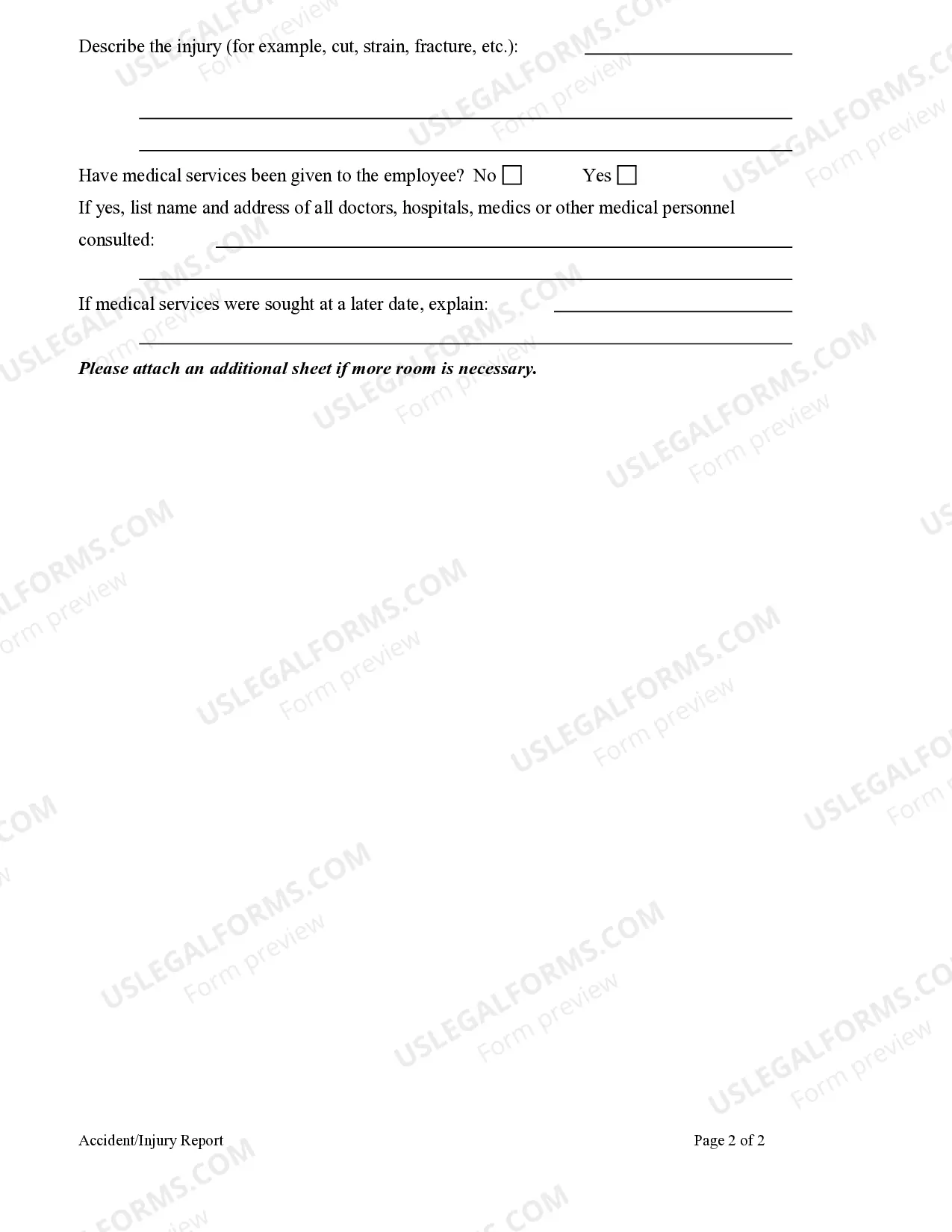
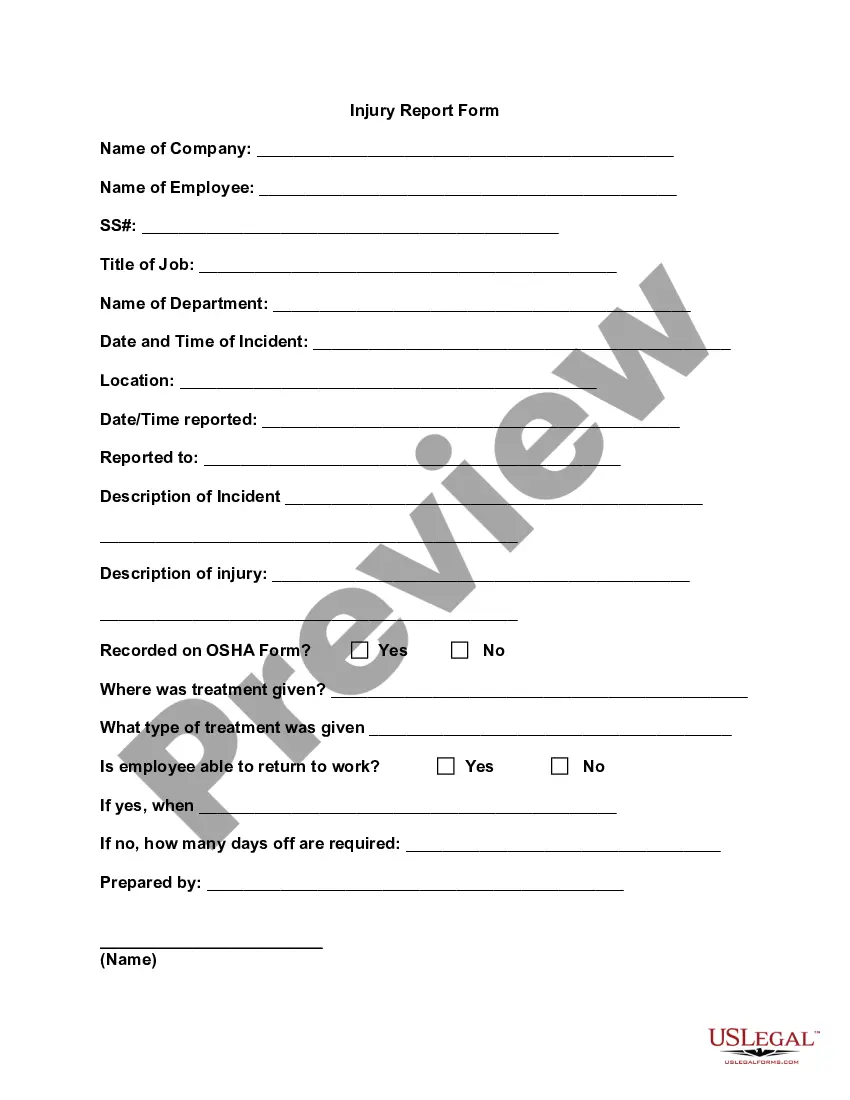
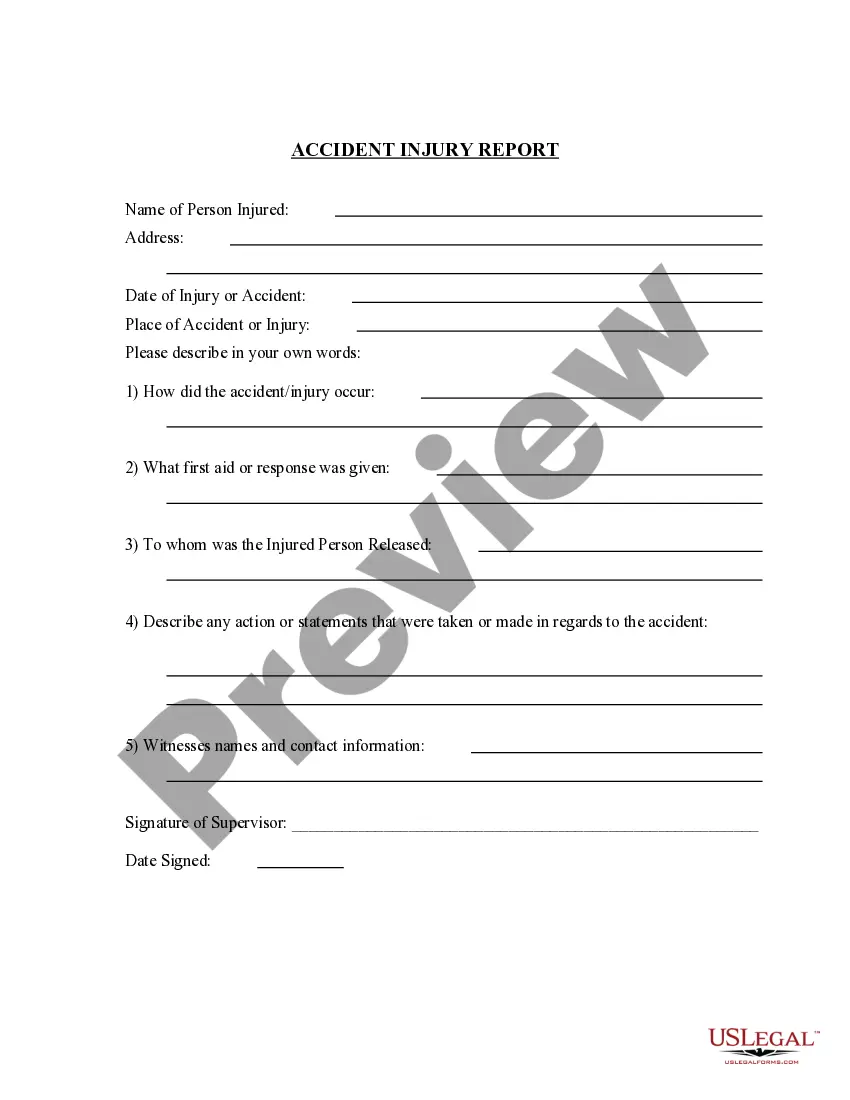
Get your form ready online
Our built-in tools help you complete, sign, share, and store your documents in one place.
Make edits, fill in missing information, and update formatting in US Legal Forms—just like you would in MS Word.
Download a copy, print it, send it by email, or mail it via USPS—whatever works best for your next step.
Sign and collect signatures with our SignNow integration. Send to multiple recipients, set reminders, and more. Go Premium to unlock E-Sign.
If this form requires notarization, complete it online through a secure video call—no need to meet a notary in person or wait for an appointment.
We protect your documents and personal data by following strict security and privacy standards.

Make edits, fill in missing information, and update formatting in US Legal Forms—just like you would in MS Word.

Download a copy, print it, send it by email, or mail it via USPS—whatever works best for your next step.

Sign and collect signatures with our SignNow integration. Send to multiple recipients, set reminders, and more. Go Premium to unlock E-Sign.

If this form requires notarization, complete it online through a secure video call—no need to meet a notary in person or wait for an appointment.

We protect your documents and personal data by following strict security and privacy standards.
Looking for another form?










Form popularity
FAQ
If you decide to represent yourself in a personal injury claim, here are the steps you need to follow: Gather Evidence. Calculate Damages. File a Claim. Negotiate with Insurance Companies. Prepare for Court. Present Your Case. Common Mistakes to Avoid When Representing Yourself in a Personal Injury Claim.
Personal Injury Protection (PIP) is a mandatory part of all Utah car insurance policies. Designed to help accident victims recover, PIP covers medical expenses, lost wages, and other costs related to a car collision.
There are 2 parts to PIP : a daily living part - if you need help with everyday tasks. a mobility part - if you need help with getting around.
Personal injury protection (PIP), also known as no-fault insurance, covers medical expenses and lost wages for you and your passengers if you're injured in an accident.
Personal injury protection (PIP), also known as no-fault insurance, is a type of car insurance coverage that helps cover expenses like medical bills, lost wages or funeral costs after a car accident, no matter who is at fault.
If you want to take legal action to claim compensation for a personal injury, you will need to get advice from a solicitor specialising in these types of cases. This must be done as soon as possible as there are strict time limits on taking legal action.
Key elements of a personal injury demand letter Introduction and background information. Description of the incident and injuries. Medical documentation and treatment details. Demand for compensation and (possibly) settlement amount. Contact information and next steps. Create a strong and convincing narrative.
Personal Injury Protection (PIP) is a mandatory part of all Utah car insurance policies. Designed to help accident victims recover, PIP covers medical expenses, lost wages, and other costs related to a car collision.
The amount of compensation that can be claimed for general damages depends on the type of injury and suffering experienced, and the severity of it, as well as how long quality of life is affected. Therefore, there isn't a 'one sum suits all' approach to general damages; every single claim is different.
