Personal Injury For Negligence In Texas
Description

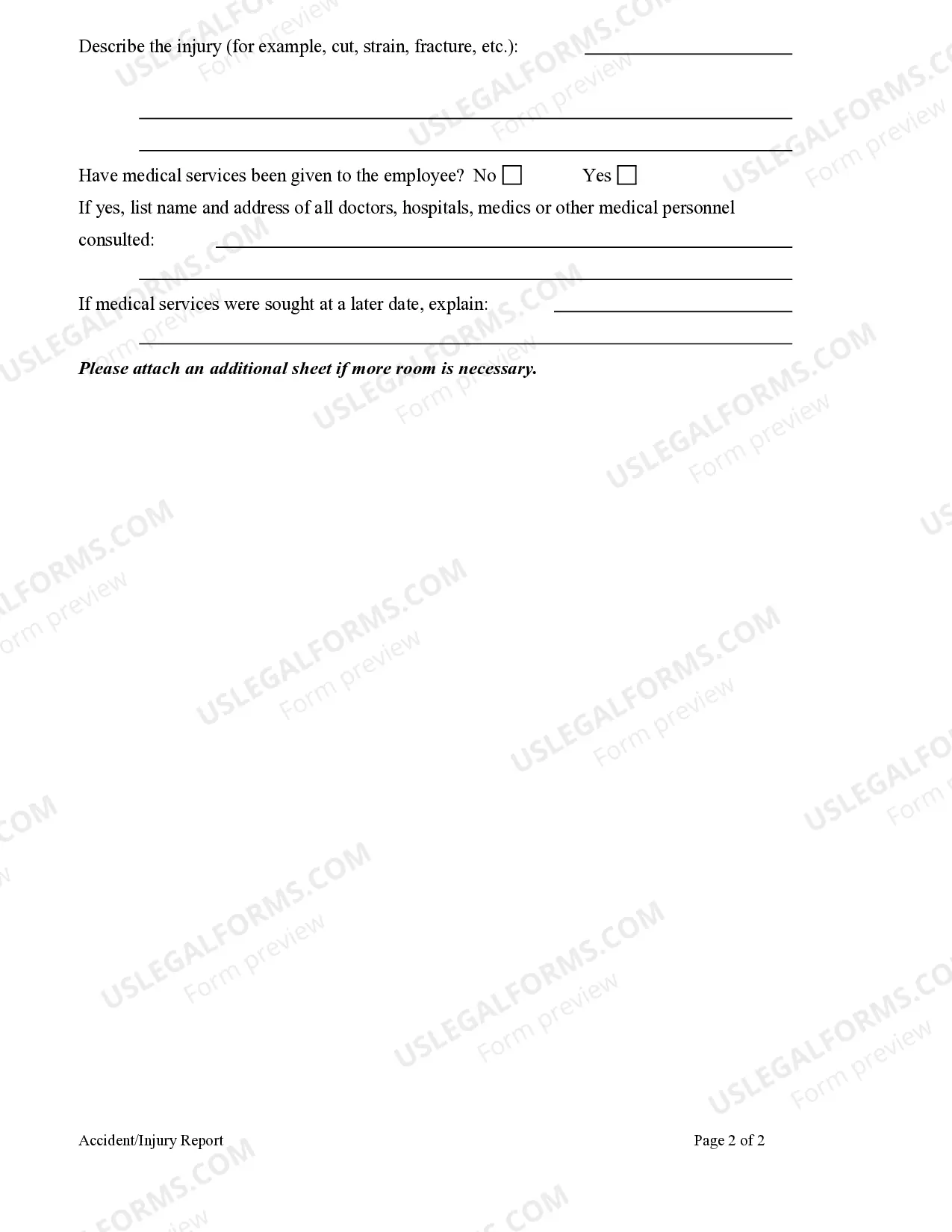
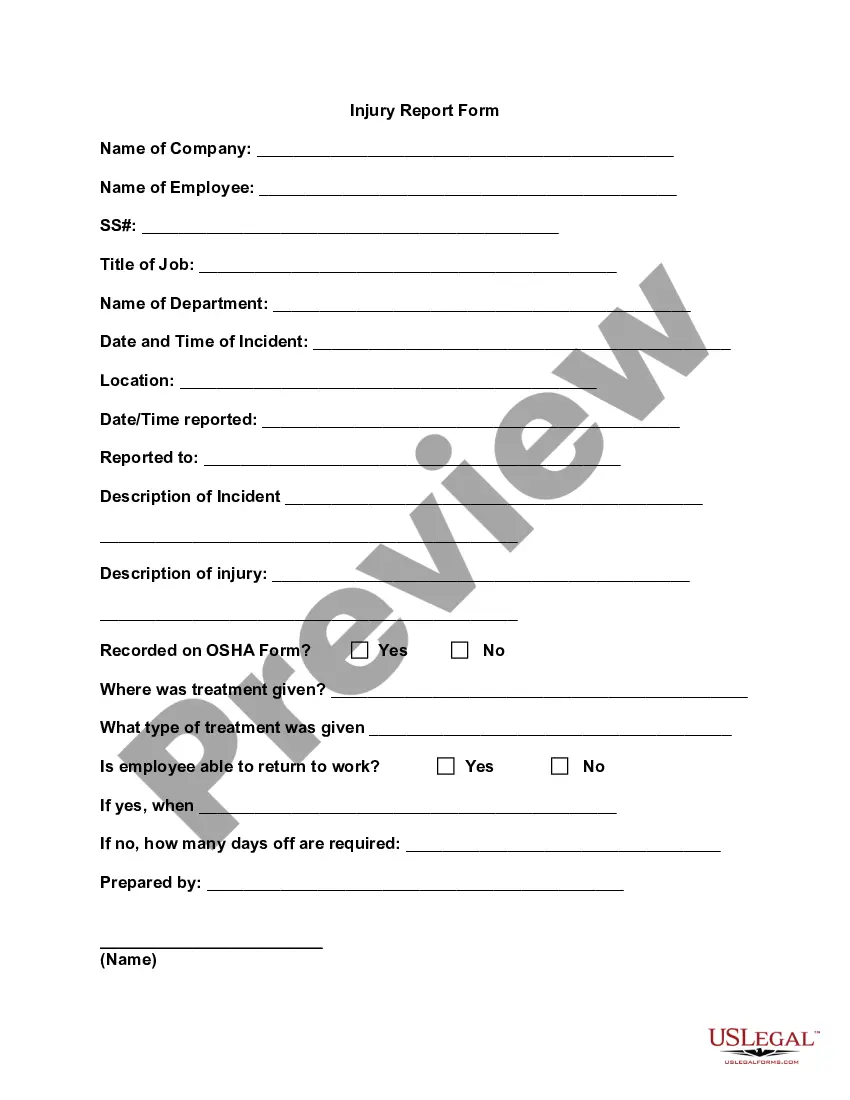
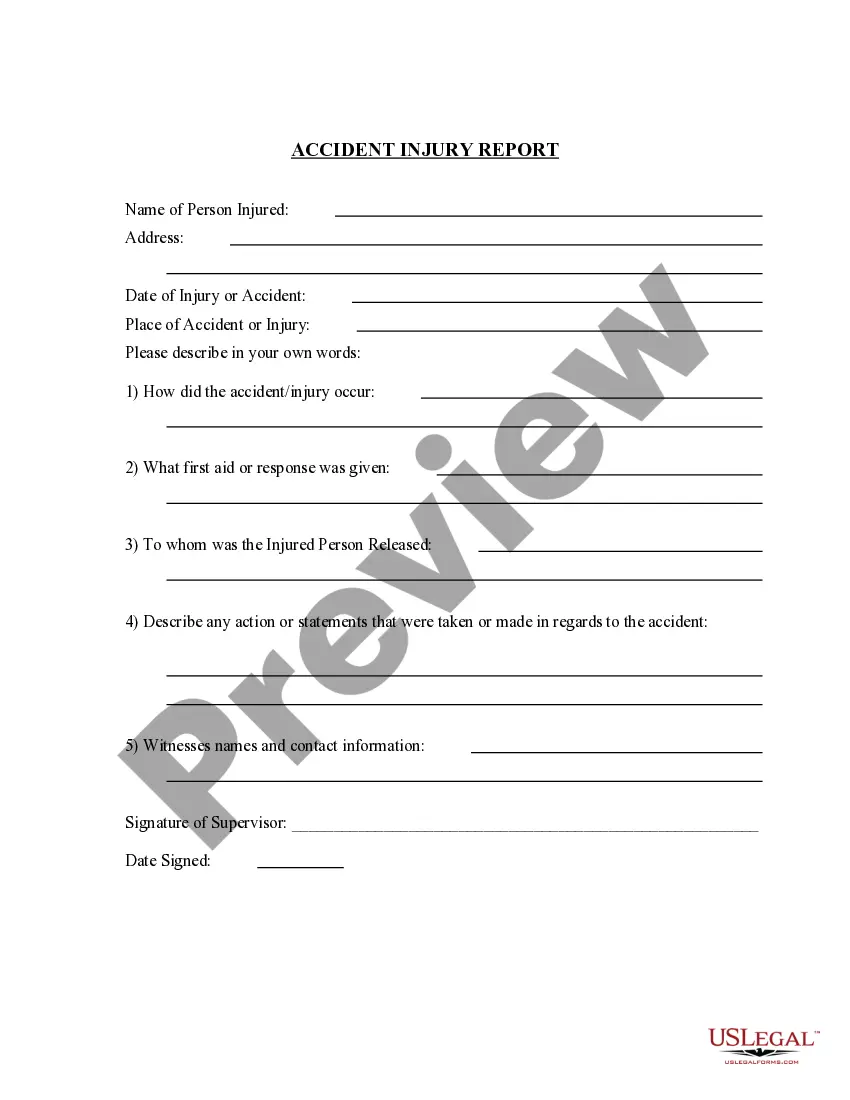
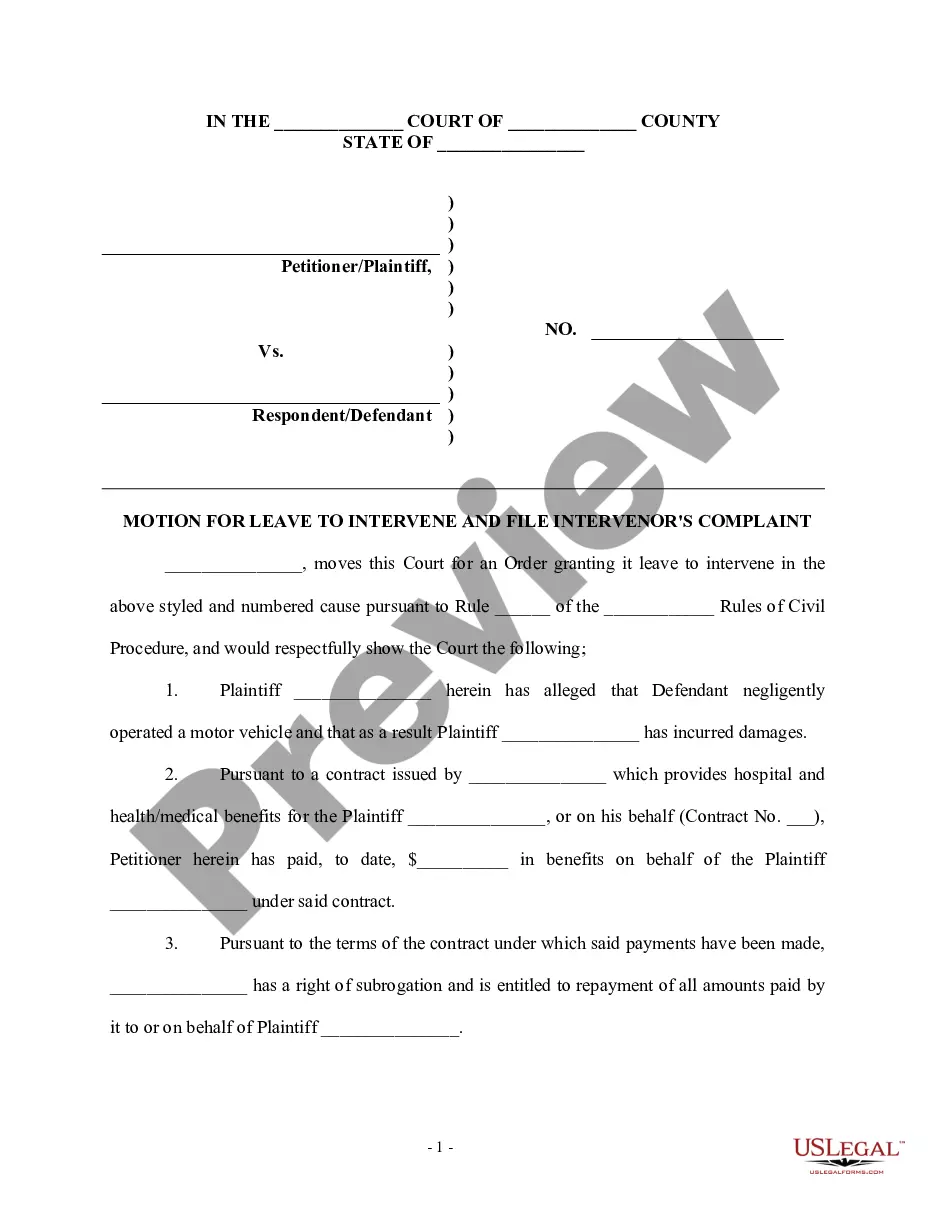
Get your form ready online
Our built-in tools help you complete, sign, share, and store your documents in one place.
Make edits, fill in missing information, and update formatting in US Legal Forms—just like you would in MS Word.
Download a copy, print it, send it by email, or mail it via USPS—whatever works best for your next step.
Sign and collect signatures with our SignNow integration. Send to multiple recipients, set reminders, and more. Go Premium to unlock E-Sign.
If this form requires notarization, complete it online through a secure video call—no need to meet a notary in person or wait for an appointment.
We protect your documents and personal data by following strict security and privacy standards.

Make edits, fill in missing information, and update formatting in US Legal Forms—just like you would in MS Word.

Download a copy, print it, send it by email, or mail it via USPS—whatever works best for your next step.

Sign and collect signatures with our SignNow integration. Send to multiple recipients, set reminders, and more. Go Premium to unlock E-Sign.

If this form requires notarization, complete it online through a secure video call—no need to meet a notary in person or wait for an appointment.

We protect your documents and personal data by following strict security and privacy standards.
Looking for another form?





Form popularity
FAQ
In most personal injury cases in Texas, you have two years from the accident or the injury date to file a lawsuit. The statute of limitations applies to any civil claim for injury filed in Texas.
Texas follows a modified comparative negligence rule, meaning if a victim is partially at fault, their compensation may be reduced based on their percentage of responsibility. If a victim is more than 50 percent at fault, they may not recover damages.
Physical Injuries or Sickness: Compensation for personal physical injuries or physical sickness is generally not taxable. ing to the IRS, if you did not take an itemized deduction for medical expenses related to the injury or sickness, the settlement is non-taxable.
In Texas, most personal injury lawsuits are considered civil court cases. As a result, you will need to file your lawsuit in a civil court, as opposed to a criminal court of law. Normally, this involves filing a personal injury lawsuit in a state trial court, also known as a district court in Texas.
Negligence is the failure to behave with the level of care that a reasonable person would have exercised under the same circumstances. Either a person's actions or omissions of actions can be found negligent.
Ing to the Texas Department of Insurance, a Texas average personal injury settlement typically falls between $30,000 and $40,000, ing to industry reports.
How Personal Injury Claims are Resolved. Statistics show that most personal injury cases in Texas are settled out of court between the injured party and the at-fault party's insurance company, even though Texas law prohibits you from suing directly the at-fault defendant's insurance company.
Ing to the Texas Department of Insurance, a Texas average personal injury settlement typically falls between $30,000 and $40,000, ing to industry reports.
The Four Elements of Negligence. For a personal injury claim to succeed, the plaintiff (that's you) must establish evidence of four key elements: duty of care, breach of duty, causation, and damages.
To make a negligence claim, the injured person must prove the defendant's duty failure and the extent of the loss suffered. Your injury litigation lawyer can then prepare particulars of damage, outlining the amount you are claiming and the basis for the negligence claim.
