Personal Injury For Car Insurance In Pima
Description

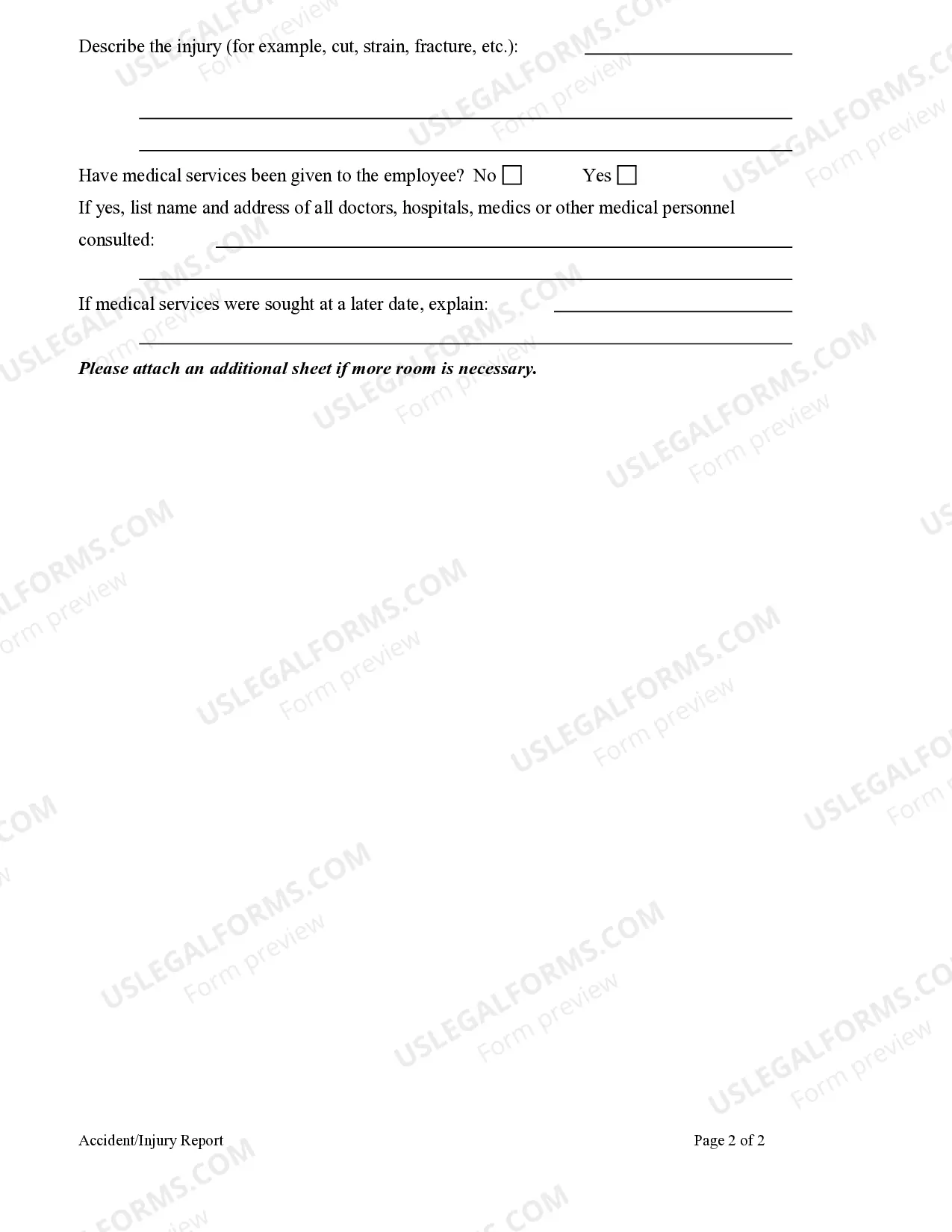
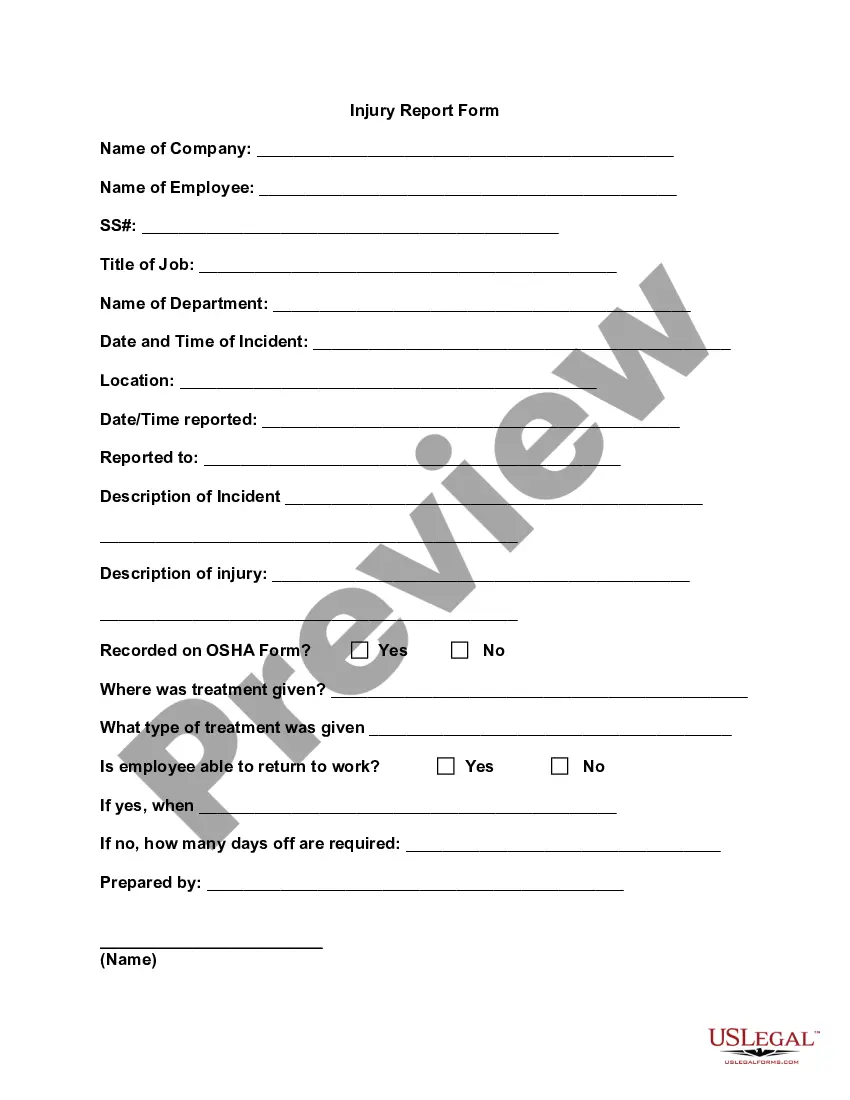
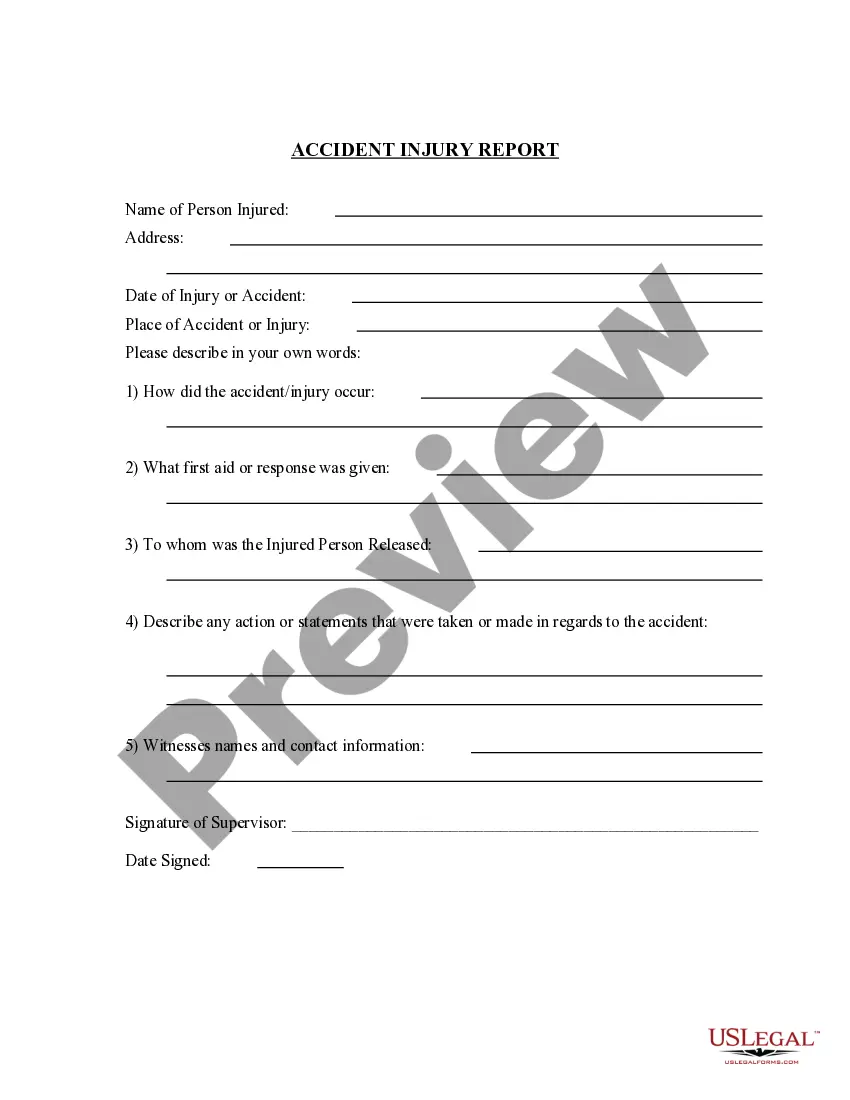
Get your form ready online
Our built-in tools help you complete, sign, share, and store your documents in one place.
Make edits, fill in missing information, and update formatting in US Legal Forms—just like you would in MS Word.
Download a copy, print it, send it by email, or mail it via USPS—whatever works best for your next step.
Sign and collect signatures with our SignNow integration. Send to multiple recipients, set reminders, and more. Go Premium to unlock E-Sign.
If this form requires notarization, complete it online through a secure video call—no need to meet a notary in person or wait for an appointment.
We protect your documents and personal data by following strict security and privacy standards.

Make edits, fill in missing information, and update formatting in US Legal Forms—just like you would in MS Word.

Download a copy, print it, send it by email, or mail it via USPS—whatever works best for your next step.

Sign and collect signatures with our SignNow integration. Send to multiple recipients, set reminders, and more. Go Premium to unlock E-Sign.

If this form requires notarization, complete it online through a secure video call—no need to meet a notary in person or wait for an appointment.

We protect your documents and personal data by following strict security and privacy standards.
Looking for another form?

Form popularity
FAQ
No, Arizona does not have personal injury protection insurance. Arizona is an at-fault state, so it does not require drivers to have PIP, since the at-fault driver is responsible for paying for the other driver's damages.
Time limits You should get legal advice urgently if you want to claim compensation. The most common claim in a personal injury case is negligence and the time limit for this is 3 years. This means that court proceedings must be issued within 3 years of you first being aware that you have suffered an injury.
Personal Injury Protection (PIP) is often required by law in your state, unless there's a waiver that's allowed. Medical Payments is the optional type of this coverage.
Personal Injury – provides coverage for OTHER THAN bodily injury or property damage. This includes false arrest, detention, or imprisonment; malicious prosecution; wrongful eviction; slander; libel; and invasion of privacy. This is more of a mental or psychological based claim.
Insurance companies may deny a claim when there is a policy exclusion or policy-based justification for denial, when the claim is insufficiently supported, when the policy has lapsed, or when there is reason to invalidate the policy itself, such as when the insured party included misleading information on their initial ...
Insurance companies are regulated by the California Department of Insurance. Individuals who have had their claims denied in bad faith can file a consumer complaint with the department. An attorney can help walk you through the process and help to ensure you receive the recovery you deserve after an accident.
If there is any indication that their policyholder isn't responsible the insurer will deny your claim. Claims may also be denied if there's evidence to show that the policyholder isn't entirely to blame for an accident. In California, anyone who contributes to an accident can be held responsible for resulting injuries.
Unfortunately, insurance companies will sometimes initially deny an injury claim and state that they are not responsible for a victim's loss. This happens not just in an injury case but property loss cases as well.
Personal injury protection (PIP), also known as no-fault insurance, is a type of car insurance coverage that helps cover expenses like medical bills, lost wages or funeral costs after a car accident, no matter who is at fault. Requirements for this coverage vary from state to state.
