Personal Injury For Emotional Distress In Phoenix
Description
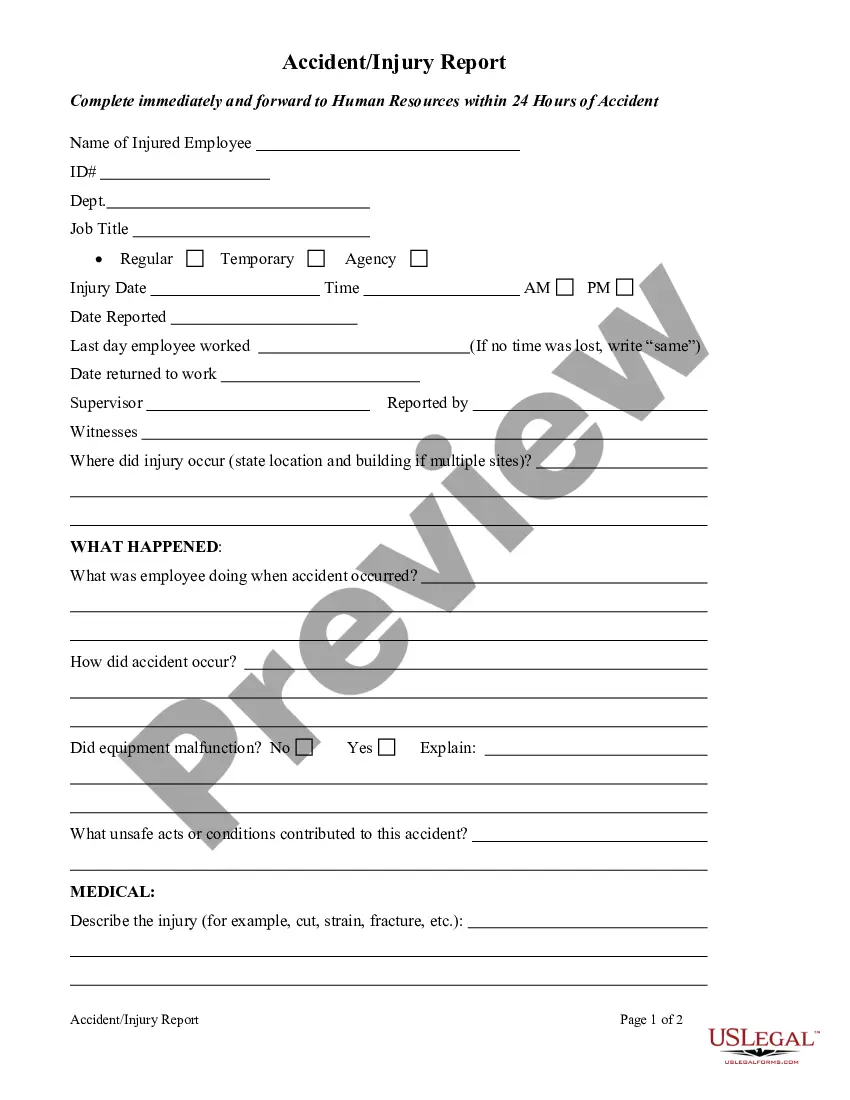
Get your form ready online
Our built-in tools help you complete, sign, share, and store your documents in one place.
Make edits, fill in missing information, and update formatting in US Legal Forms—just like you would in MS Word.
Download a copy, print it, send it by email, or mail it via USPS—whatever works best for your next step.
Sign and collect signatures with our SignNow integration. Send to multiple recipients, set reminders, and more. Go Premium to unlock E-Sign.
If this form requires notarization, complete it online through a secure video call—no need to meet a notary in person or wait for an appointment.
We protect your documents and personal data by following strict security and privacy standards.

Make edits, fill in missing information, and update formatting in US Legal Forms—just like you would in MS Word.

Download a copy, print it, send it by email, or mail it via USPS—whatever works best for your next step.

Sign and collect signatures with our SignNow integration. Send to multiple recipients, set reminders, and more. Go Premium to unlock E-Sign.

If this form requires notarization, complete it online through a secure video call—no need to meet a notary in person or wait for an appointment.

We protect your documents and personal data by following strict security and privacy standards.
Looking for another form?
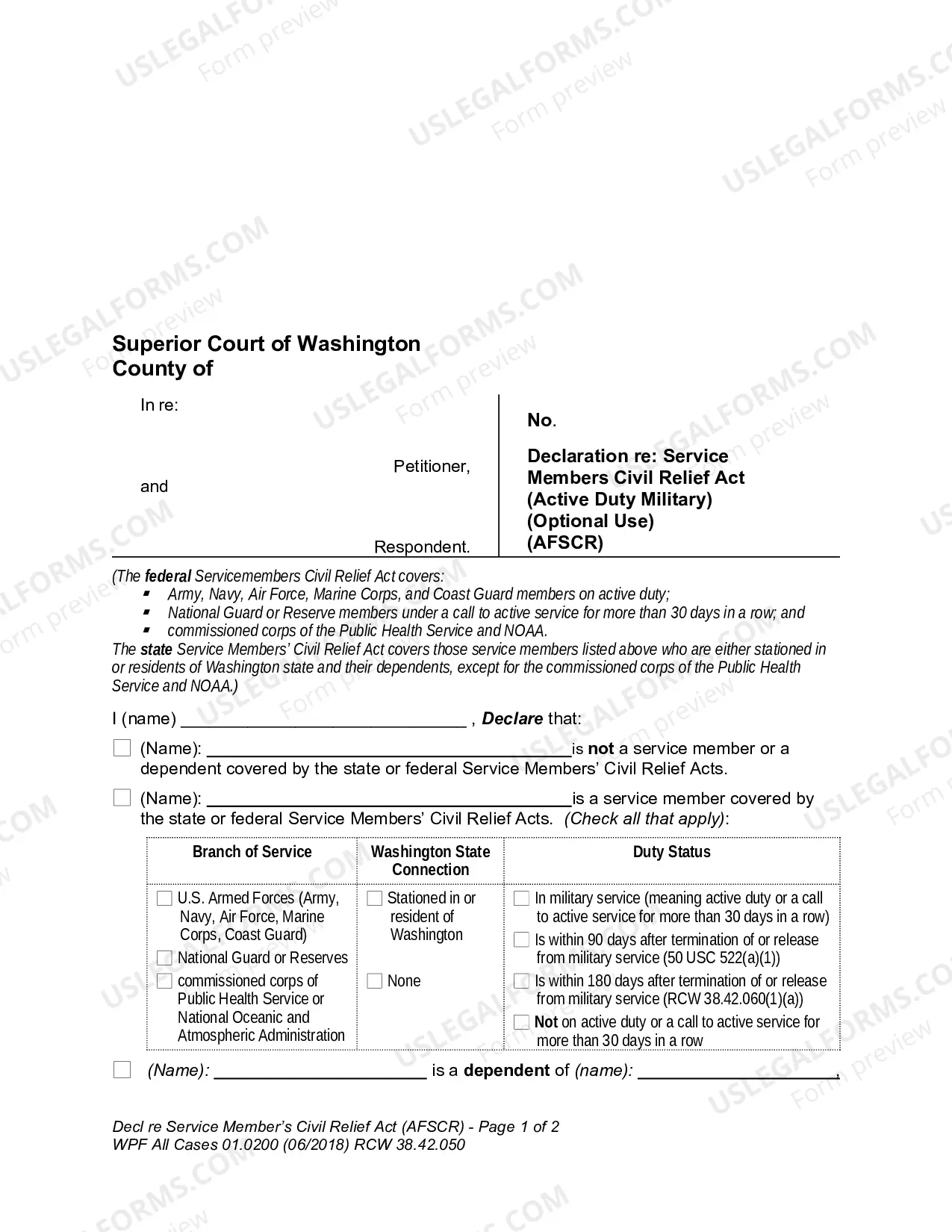
Form popularity
FAQ
It's very rare and depends entirely on the circumstances. There really has to be reprehensible conduct that the defendant knew or should have known would cause emotional injury to the plaintiff. Those types of cases require a lot of discovery and sometimes result in jury verdicts of a trivial amount.
To support a personal injury claim for emotional distress, it is important that you can prove the occurrence of negligence. To do this, you should seek medical attention for your psychological damage and/or physical injuries and obtain a copy of the medical records produced.
Proving Emotional Distress in Arizona Courts Unlike physical injuries, which can be documented with X-rays or medical reports, emotional distress requires a different approach to substantiation. Victims must provide compelling evidence to demonstrate the psychological harm they have endured.
Medical records that attest to the victim's injuries or diagnosis of mental health conditions, such as PTSD, anxiety, and depression, are among the most important pieces of evidence that prove emotional distress in court.
In an emotional distress claim, proving that the defendant acted with intent is key. This means showing that they knew or should have known their actions would cause serious distress. Your lawyer will start by gathering evidence such as emails or text messages, which can be crucial in establishing this intentionality.
Emotional distress refers to mental suffering as an emotional response to an experience that arises from the effect or memory of a particular event, occurrence, pattern of events or condition.
Evidence. Medical records of therapy sessions or diagnoses related to emotional distress. Witness statements from individuals who observed your emotional state. Personal journals or diaries documenting your emotions and their connection to the defendant's conduct.
Evidence. Medical records of therapy sessions or diagnoses related to emotional distress. Witness statements from individuals who observed your emotional state. Personal journals or diaries documenting your emotions and their connection to the defendant's conduct.