Accident With Trauma In Montgomery
Description

Get your form ready online
Our built-in tools help you complete, sign, share, and store your documents in one place.
Make edits, fill in missing information, and update formatting in US Legal Forms—just like you would in MS Word.
Download a copy, print it, send it by email, or mail it via USPS—whatever works best for your next step.
Sign and collect signatures with our SignNow integration. Send to multiple recipients, set reminders, and more. Go Premium to unlock E-Sign.
If this form requires notarization, complete it online through a secure video call—no need to meet a notary in person or wait for an appointment.
We protect your documents and personal data by following strict security and privacy standards.
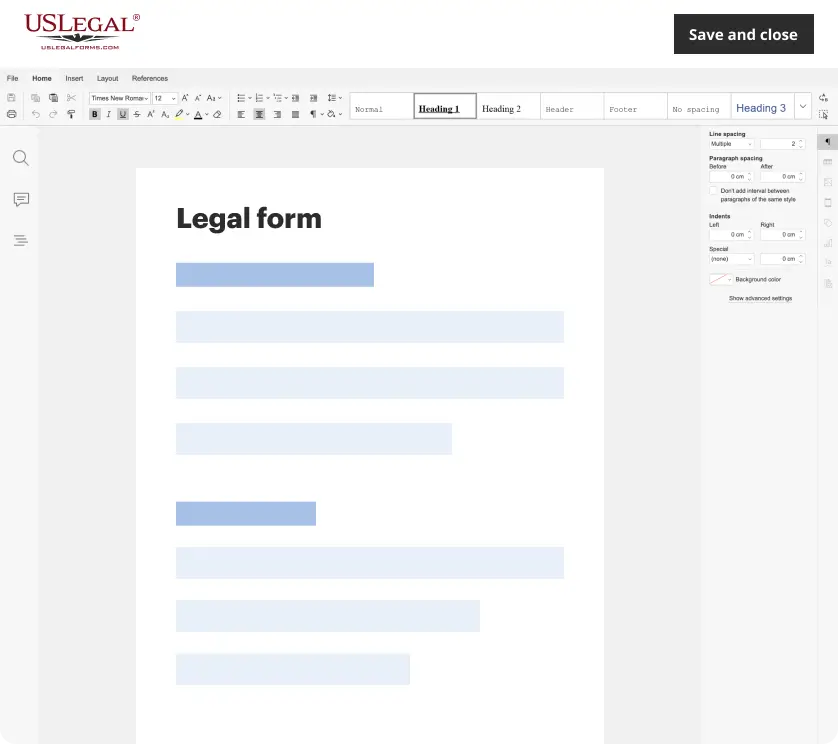
Make edits, fill in missing information, and update formatting in US Legal Forms—just like you would in MS Word.
Download a copy, print it, send it by email, or mail it via USPS—whatever works best for your next step.
Sign and collect signatures with our SignNow integration. Send to multiple recipients, set reminders, and more. Go Premium to unlock E-Sign.
If this form requires notarization, complete it online through a secure video call—no need to meet a notary in person or wait for an appointment.
We protect your documents and personal data by following strict security and privacy standards.
Looking for another form?









Form popularity
FAQ
What can I do to cope after a traumatic event? Avoid the use of alcohol or drugs. Spend time with trusted friends and relatives who are supportive. Try to maintain routines for meals, exercise, and sleep. Engage in exercise, mindfulness, or other activities that help reduce stress.
Here are 7 ways to cope with trauma after a severe collision: Learn more about emotional trauma. Identify your triggers. Recognize ways to avoid your triggers. Speak with family and friends about your trauma. Utilize the R.A.I.N. method. Understand your therapy options. Discover ways to manage your anxiety and fears.
PTSD symptoms generally go away within 1 week to 3 months after an accident. Other symptoms may last for years–especially if not properly treated. If you believe that you have PTSD or are experiencing symptoms, see your doctor or primary care physician to determine next steps.
Acknowledge Your Feelings : Recognize that it's normal to feel guilty after an accident. Allow yourself to feel these emotions without judgment. Understand the Context : Reflect on the circumstances surrounding the accident. Talk About It : Sharing your feelings with someone you trust can provide perspective
Explore relaxation techniques such as deep breathing exercises, meditation or mindfulness. These practices can help reduce anxiety and promote a sense of calm and well-being when you're feeling particularly overwhelmed. Incorporating them into your daily routine can also promote long-term health and wellness.
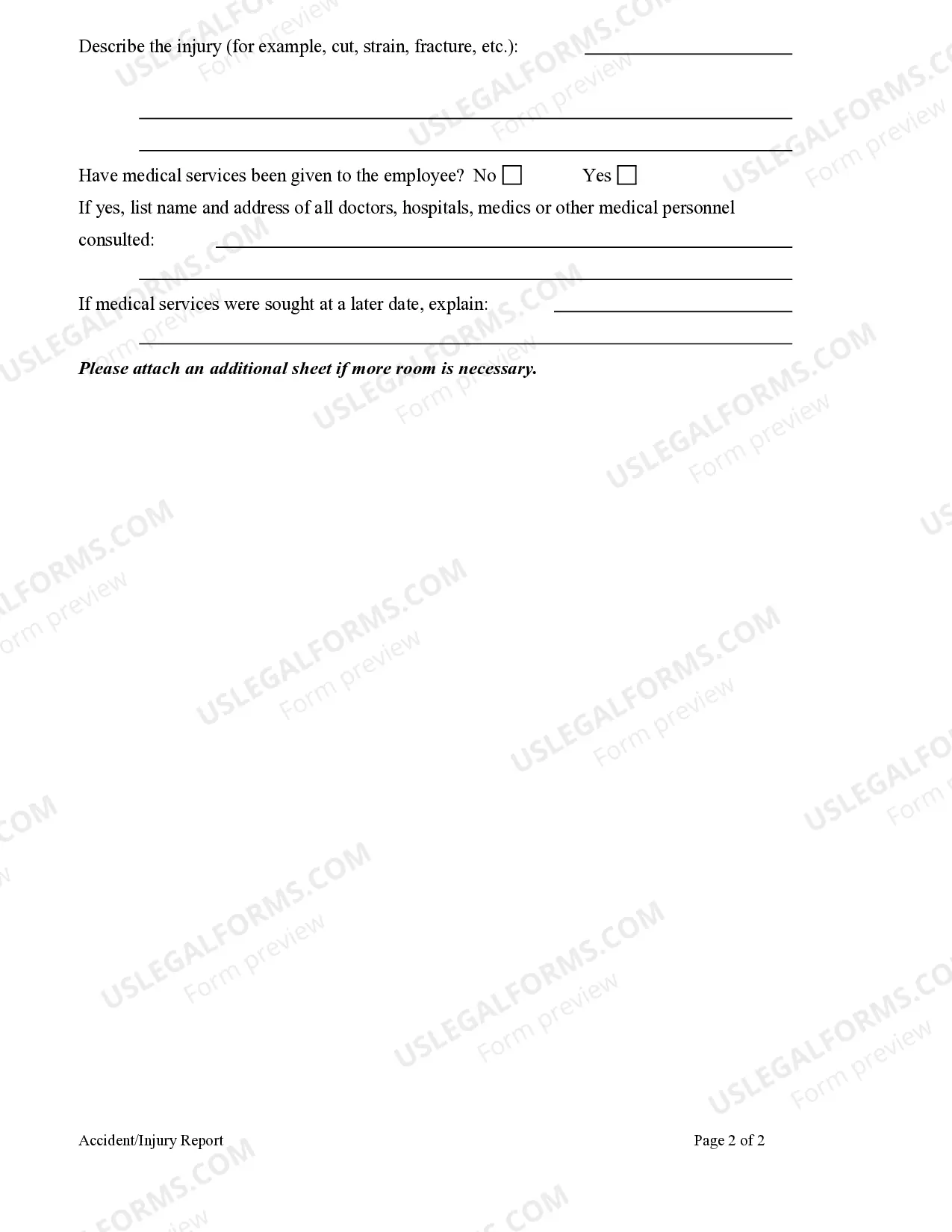
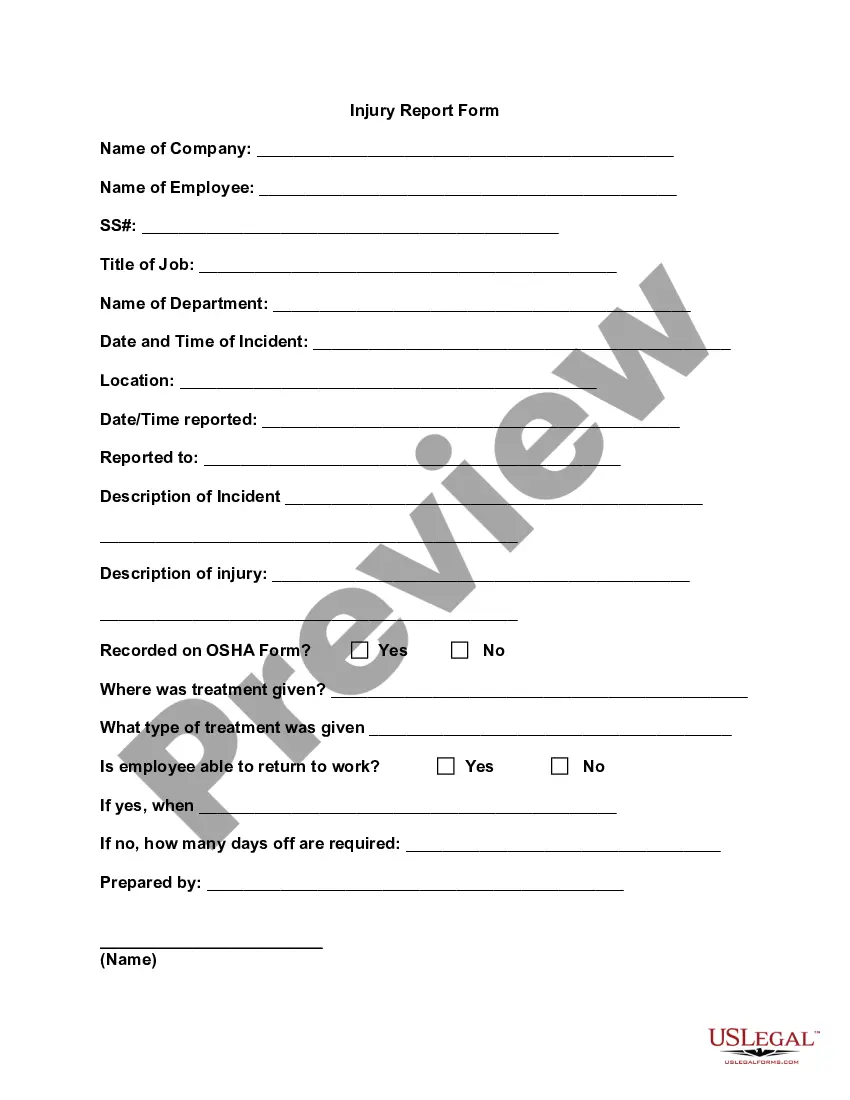
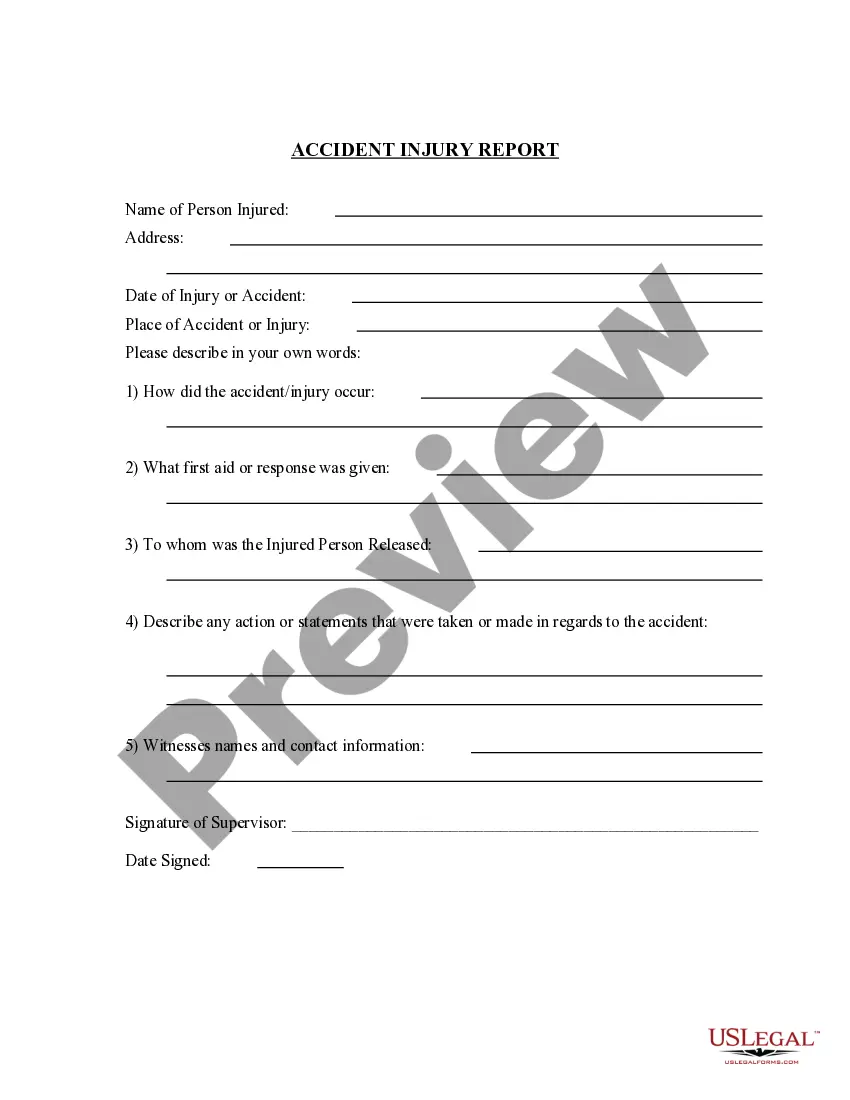
What to include in a work incident report The date and time of the incident. The name of the witness or author of the report. A detailed description of the events. The names of the affected parties. Other witness statements or important information. The result of the incident.
How to Move on from Car Accident Trauma Acknowledge Your Feelings. Experiencing post-car accident depression, anxiety or other negative emotions is normal after a traumatic event. Talk About the Incident. Seek Professional Guidance. Stay Active. Practice Self-Care Techniques. Try Gradual Exposure.
There are five key details of accidents legally required: Full name, address and occupation of the injured person (a) Date and time of the accident (b) Location of the accident (c) Cause and nature of the injury (d) Name, address and occupation of the person giving the notice, if other than the injured person (e).
What can I do to cope after a traumatic event? Avoid the use of alcohol or drugs. Spend time with trusted friends and relatives who are supportive. Try to maintain routines for meals, exercise, and sleep. Engage in exercise, mindfulness, or other activities that help reduce stress.
