Accident And Injury Care In Middlesex
Description

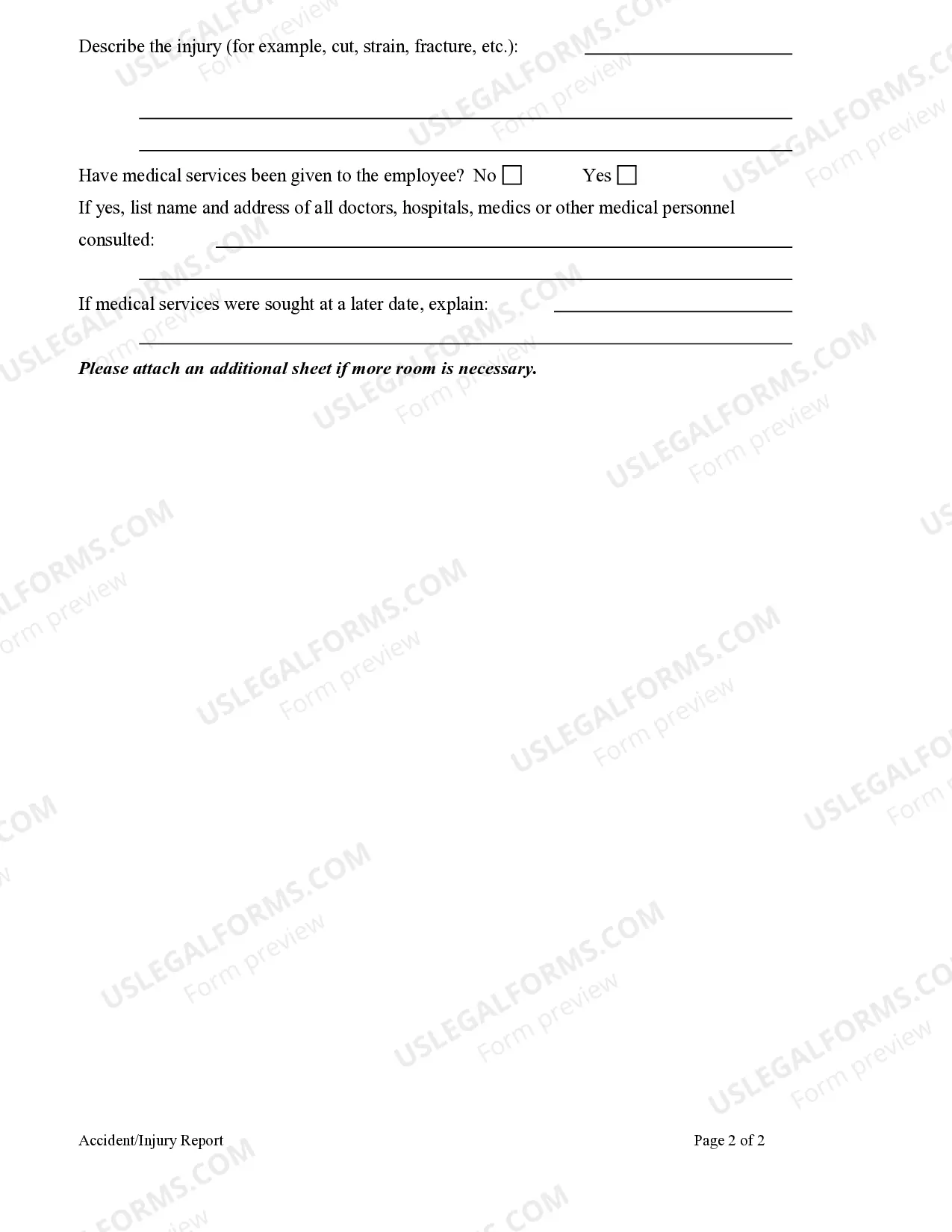
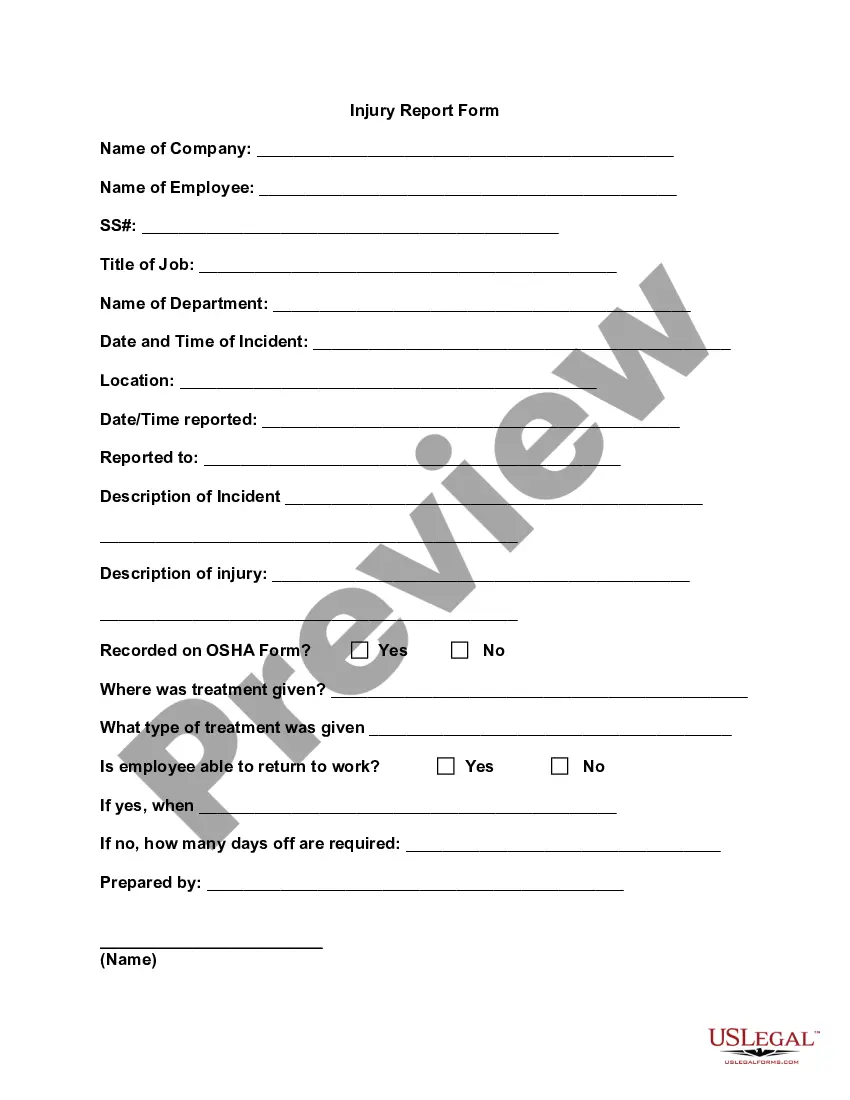
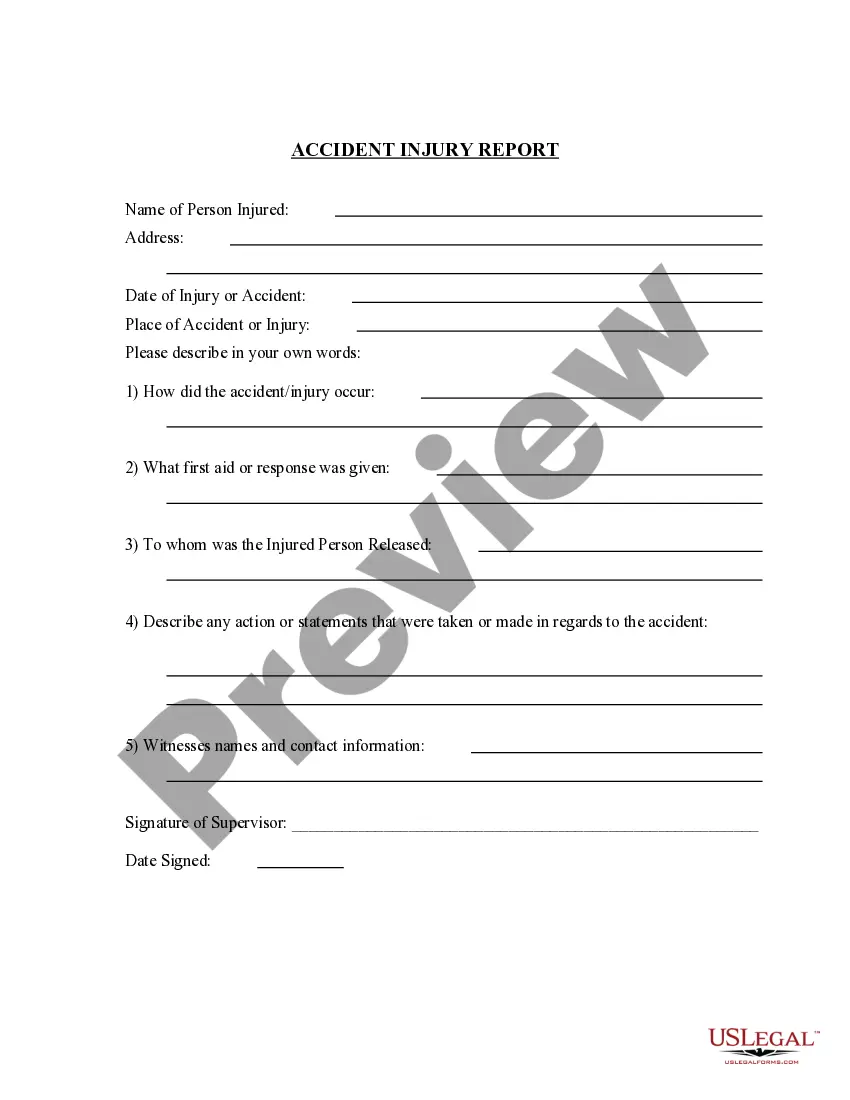
Get your form ready online
Our built-in tools help you complete, sign, share, and store your documents in one place.
Make edits, fill in missing information, and update formatting in US Legal Forms—just like you would in MS Word.
Download a copy, print it, send it by email, or mail it via USPS—whatever works best for your next step.
Sign and collect signatures with our SignNow integration. Send to multiple recipients, set reminders, and more. Go Premium to unlock E-Sign.
If this form requires notarization, complete it online through a secure video call—no need to meet a notary in person or wait for an appointment.
We protect your documents and personal data by following strict security and privacy standards.

Make edits, fill in missing information, and update formatting in US Legal Forms—just like you would in MS Word.

Download a copy, print it, send it by email, or mail it via USPS—whatever works best for your next step.

Sign and collect signatures with our SignNow integration. Send to multiple recipients, set reminders, and more. Go Premium to unlock E-Sign.

If this form requires notarization, complete it online through a secure video call—no need to meet a notary in person or wait for an appointment.

We protect your documents and personal data by following strict security and privacy standards.
Looking for another form?









Form popularity
FAQ
If it's an emergency, call 911 or go to an emergency room right away. Tell the medical staff that your injury or illness is job-related. If you can safely do so, contact your employer for further instructions. If you don't need emergency treatment, make sure you get first aid and see a doctor if necessary.
Seeing a Specialist Chiropractors for spinal injuries and pain management. Physical therapists to recover and rehabilitate after injuries. Neurologists for head trauma, concussions, and nerve-related injuries. Orthopedic surgeons for bone fractures, joint injuries, and musculoskeletal issues.
If you slip and fall and tear a ligament or break a bone, you would see an orthopedic doctor. If over time you feel pain or swelling in places such as your rotator cuff or your knees, an orthopedist will determine if you need medication, physical therapy or surgery.
In general, when an injury still hurts after resting it, or it feels better until you exercise again, you should make an appointment with your primary care provider or a sports medicine physician.
The result of a settlement agreement involves the responsible party paying a certain amount to compensate for the damages caused to the victim. Receiving compensation after a settlement for a personal injury claim might take: as little as five working days. somewhere between 14 to 28 days.
While there is no fixed amount for every case, the average personal injury settlement ranges from a few thousand dollars to well over $75,000, depending on the unique details of the claim.
Given all the reasons to settle, it's unsurprising that, ing to the Bureau of Justice Statistics, less than four percent of all personal injury cases go to trial. The majority reached a settlement agreement beforehand. However, for some types of cases, the trial rate is higher.
The average personal injury settlement amount is approximately $55,056.08, which is based on data from over 5,861 cases that were settled between 2021 and 2024.
In general, if you can get close to judgment value of the case in settlement, then it should be considered a very good settlement. One of the first considerations that attorneys and clients should factor in is the chance of prevailing on the issue of liability.
There aren't many specific guidelines on what this means, but generally, more severe injuries (broken bones) will qualify, whereas less serious injuries (sprained ankles, whiplash, etc.) will not -- even if they are very painful.
