Personal Injury For In Illinois
Description

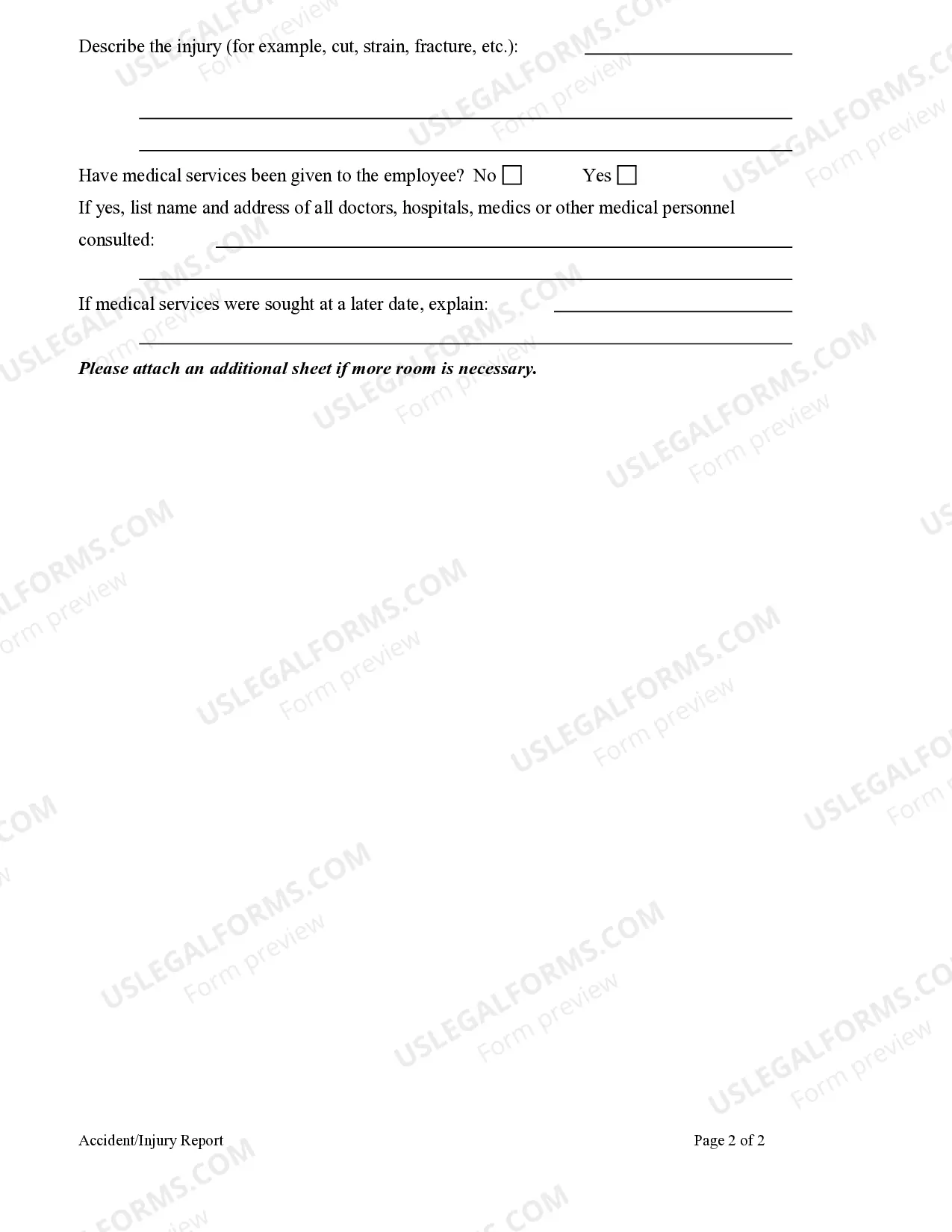
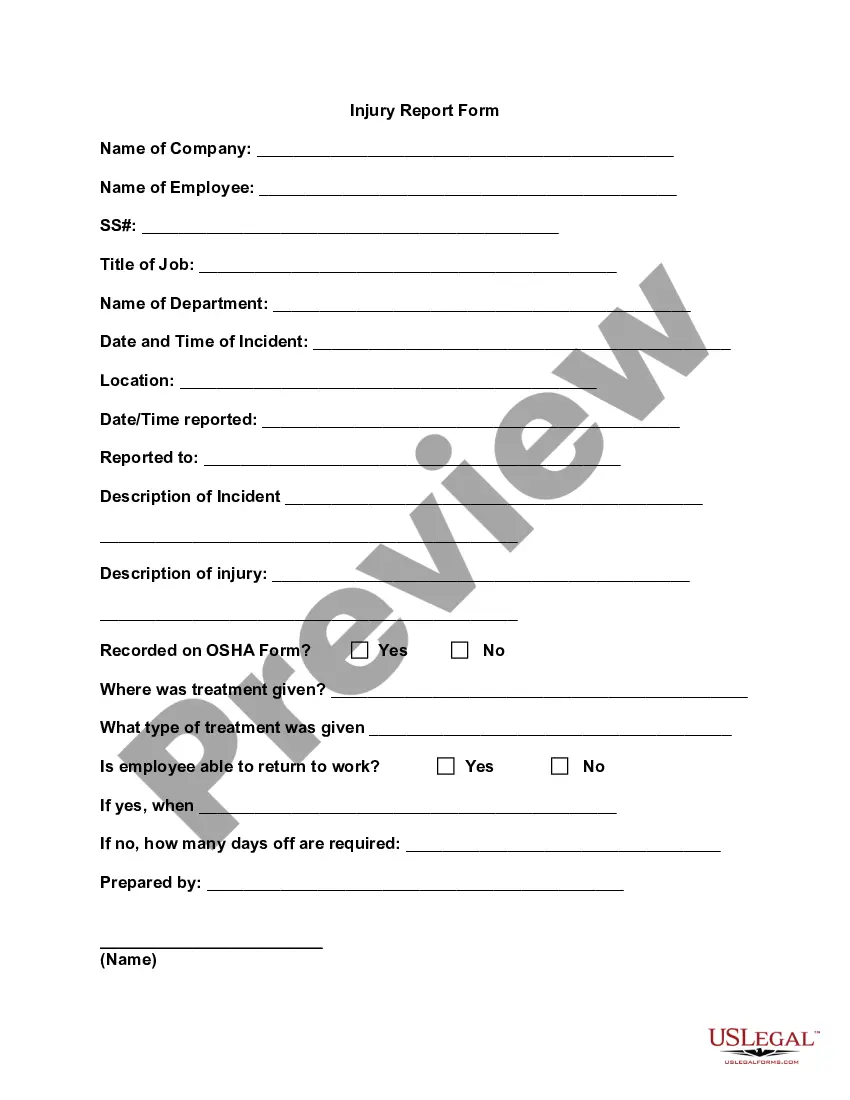
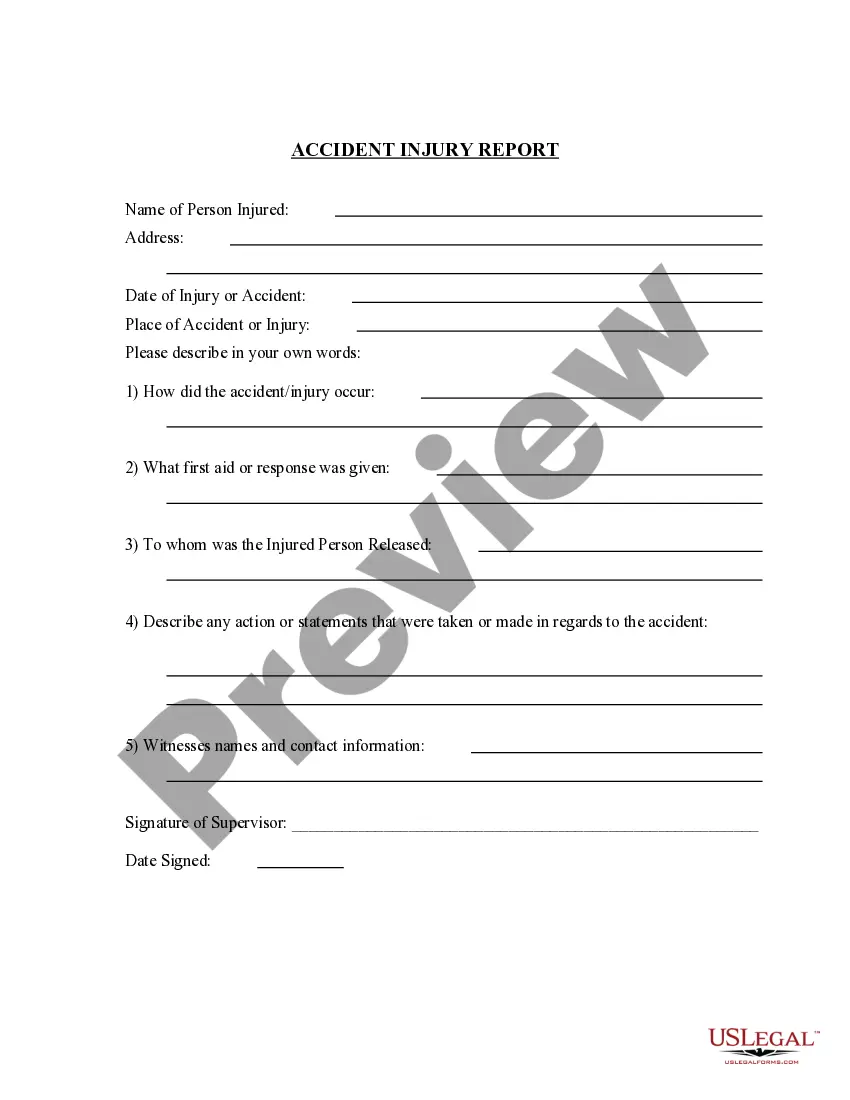
Get your form ready online
Our built-in tools help you complete, sign, share, and store your documents in one place.
Make edits, fill in missing information, and update formatting in US Legal Forms—just like you would in MS Word.
Download a copy, print it, send it by email, or mail it via USPS—whatever works best for your next step.
Sign and collect signatures with our SignNow integration. Send to multiple recipients, set reminders, and more. Go Premium to unlock E-Sign.
If this form requires notarization, complete it online through a secure video call—no need to meet a notary in person or wait for an appointment.
We protect your documents and personal data by following strict security and privacy standards.

Make edits, fill in missing information, and update formatting in US Legal Forms—just like you would in MS Word.

Download a copy, print it, send it by email, or mail it via USPS—whatever works best for your next step.

Sign and collect signatures with our SignNow integration. Send to multiple recipients, set reminders, and more. Go Premium to unlock E-Sign.

If this form requires notarization, complete it online through a secure video call—no need to meet a notary in person or wait for an appointment.

We protect your documents and personal data by following strict security and privacy standards.
Looking for another form?










Form popularity
FAQ
Illinois law allows for some latitude in the statute of limitations on personal injury actions through what is commonly known as the "discovery rule." The discovery rule allows the statute of limitations to be extended from the time of the injury to the time of the discovery of the injury.
The statute of limitations on personal injury in Illinois is 2 years. That means that victims have 2 years from the time of an incident to file a lawsuit. In a civil suit, the victim can sue for damages that include things like medical bills, ongoing care, lost wages, and pain and suffering.
For example, in Illinois, personal injury laws give you the right to compensation if your injury was the fault of another person or entity due to their actions or negligence.
The court may at any time on its own initiative, or on motion of any party or witness, make a protective order as justice requires, denying, limiting, conditioning, or regulating discovery to prevent unreasonable annoyance, expense, embarrassment, disadvantage, or oppression.
The California discovery rule stops the clock on the statute of limitations until the plaintiff either finds out about the cause of action or has a good reason to do so. This rule comes into play when the plaintiff didn't realize, and a reasonable person wouldn't have realized, that they were harmed.
Personal Injury Protection (PIP) is a type of car insurance that covers your medical treatment if you are involved in a car accident, regardless of who caused the accident. In no-fault states, PIP coverage is mandatory. However, Illinois is not a no-fault state, meaning PIP coverage is optional.
The discovery phase in personal injury cases can take months or even years. The parties to the case have a right to evidence that will help them prove their case. Discovery allows both sides to interview potential witnesses and review potential evidence that may be helpful or harmful to their case.
In order to increase your chances of obtaining the maximum amount available for your pain and suffering, you will have to prove that your injury has negatively impacted your life since it happened.
The average personal injury settlement amount is approximately $55,056.08, which is based on data from over 5,861 cases that were settled between 2021 and 2024.
If you decide to represent yourself in a personal injury claim, here are the steps you need to follow: Gather Evidence. Calculate Damages. File a Claim. Negotiate with Insurance Companies. Prepare for Court. Present Your Case. Common Mistakes to Avoid When Representing Yourself in a Personal Injury Claim.