Personal Injury For Negligence In Georgia
Description

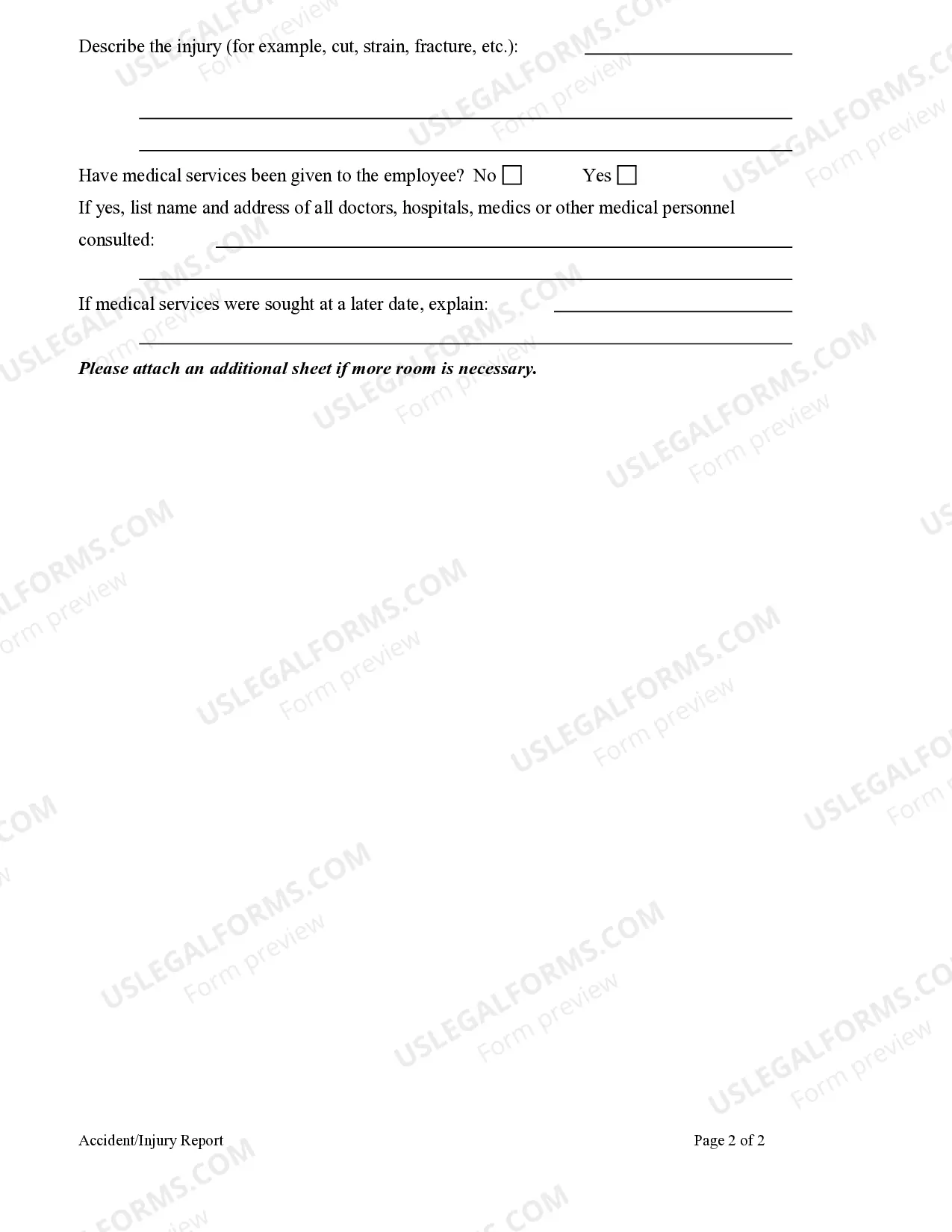
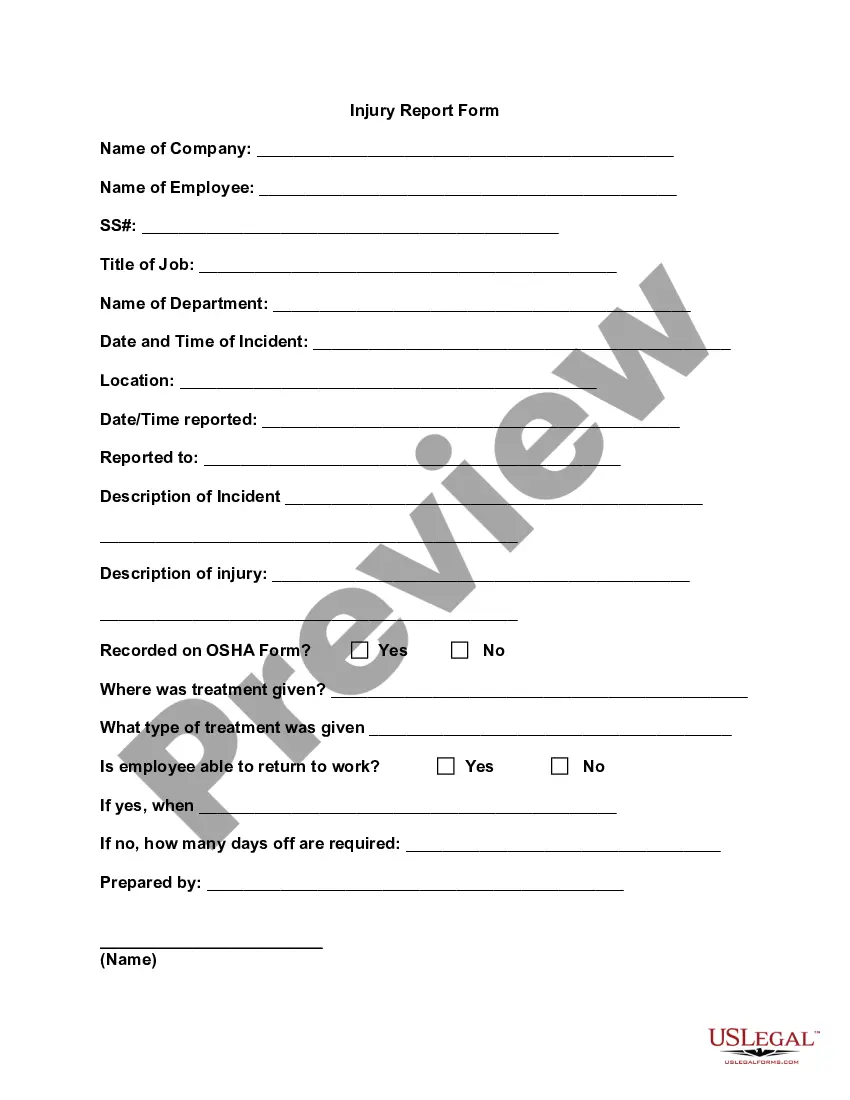
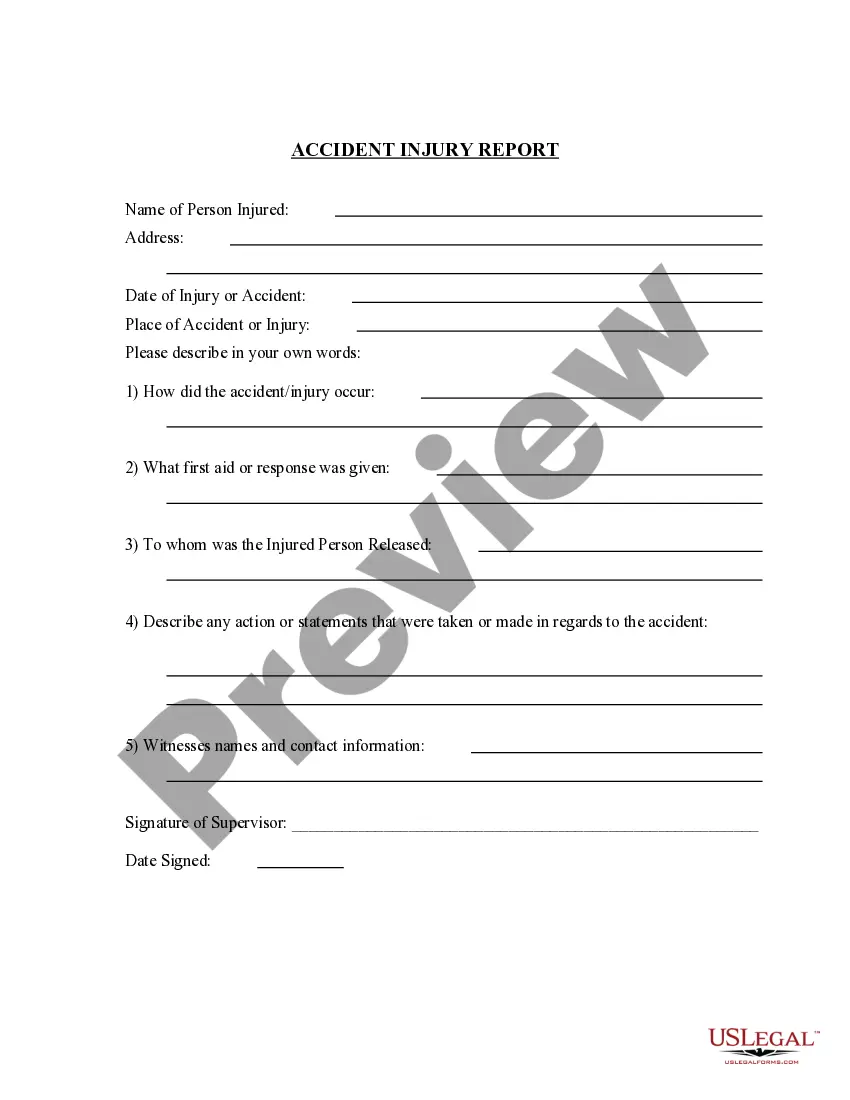
Get your form ready online
Our built-in tools help you complete, sign, share, and store your documents in one place.
Make edits, fill in missing information, and update formatting in US Legal Forms—just like you would in MS Word.
Download a copy, print it, send it by email, or mail it via USPS—whatever works best for your next step.
Sign and collect signatures with our SignNow integration. Send to multiple recipients, set reminders, and more. Go Premium to unlock E-Sign.
If this form requires notarization, complete it online through a secure video call—no need to meet a notary in person or wait for an appointment.
We protect your documents and personal data by following strict security and privacy standards.

Make edits, fill in missing information, and update formatting in US Legal Forms—just like you would in MS Word.

Download a copy, print it, send it by email, or mail it via USPS—whatever works best for your next step.

Sign and collect signatures with our SignNow integration. Send to multiple recipients, set reminders, and more. Go Premium to unlock E-Sign.

If this form requires notarization, complete it online through a secure video call—no need to meet a notary in person or wait for an appointment.

We protect your documents and personal data by following strict security and privacy standards.
Looking for another form?

Form popularity
FAQ
That means a person who breaches their duty of care to another can be held liable for compensating the injured party's damages. This rule is often applied to vehicle accidents where the negligent party's insurance company would be responsible for paying damages to the injured party.
While medical malpractice claims are a subset of personal injury law, they are often more complex. This complexity arises from the need to prove not just negligence, which is the case in regular personal injury claims, but also the violation of the professional standard of care by a healthcare provider.
Typically, harm to the plaintiff must be either bodily harm or harm to property ( personal property or real property ). Harm that is solely economic usually will not satisfy this element in proving negligence.
Negligence is the failure to behave with the level of care that a reasonable person would have exercised under the same circumstances. Either a person's actions or omissions of actions can be found negligent.
Personal injury claims arise where a person suffers an injury and/or loss because of the negligence of another party. Types of personal injury claims can include: Road traffic accidents. Accidents on a public highway.
Personal injury and negligence go hand in hand, but they're not the same thing.
With that being said, a typical average settlement for a car accident in Georgia ranges from $15,000 to $20,000. Still, it is important to note that any settlement amount is based on several factors, including the type of accident, the extent/severity and permanence of injuries, economic damages, fault, and more.
While seemingly straightforward, the concept of negligence itself can also be broken down into four types of negligence: gross negligence, comparative negligence, contributory negligence, and vicarious negligence or vicarious liability.
Most civil lawsuits for injuries allege the wrongdoer was negligent. To win in a negligence lawsuit, the victim must establish 4 elements: (1) the wrongdoer owed a duty to the victim, (2) the wrongdoer breached the duty, (3) the breach caused the injury (4) the victim suffered damages.
The Four Elements of Negligence. For a personal injury claim to succeed, the plaintiff (that's you) must establish evidence of four key elements: duty of care, breach of duty, causation, and damages.
