Personal Injury For Car Accident In Florida
Description

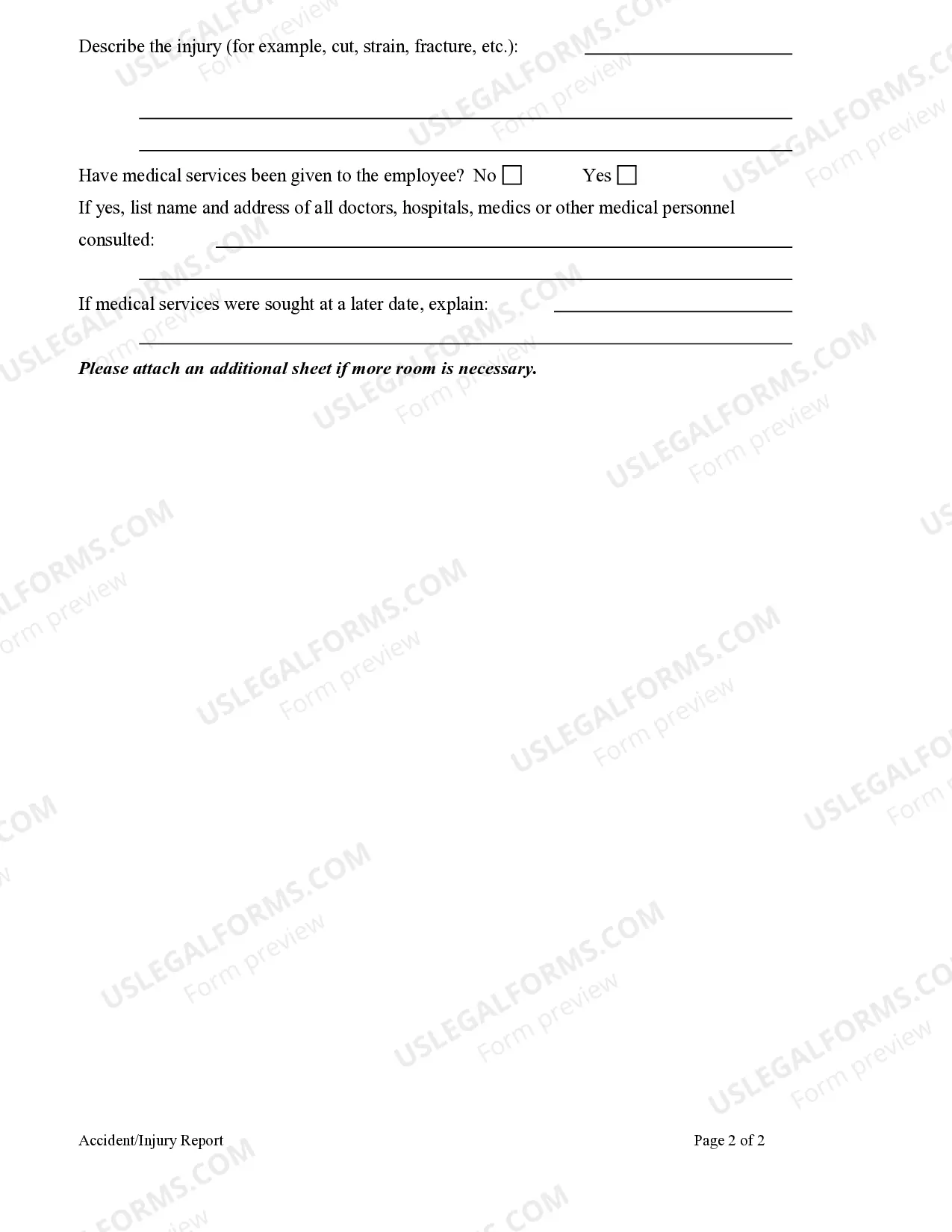
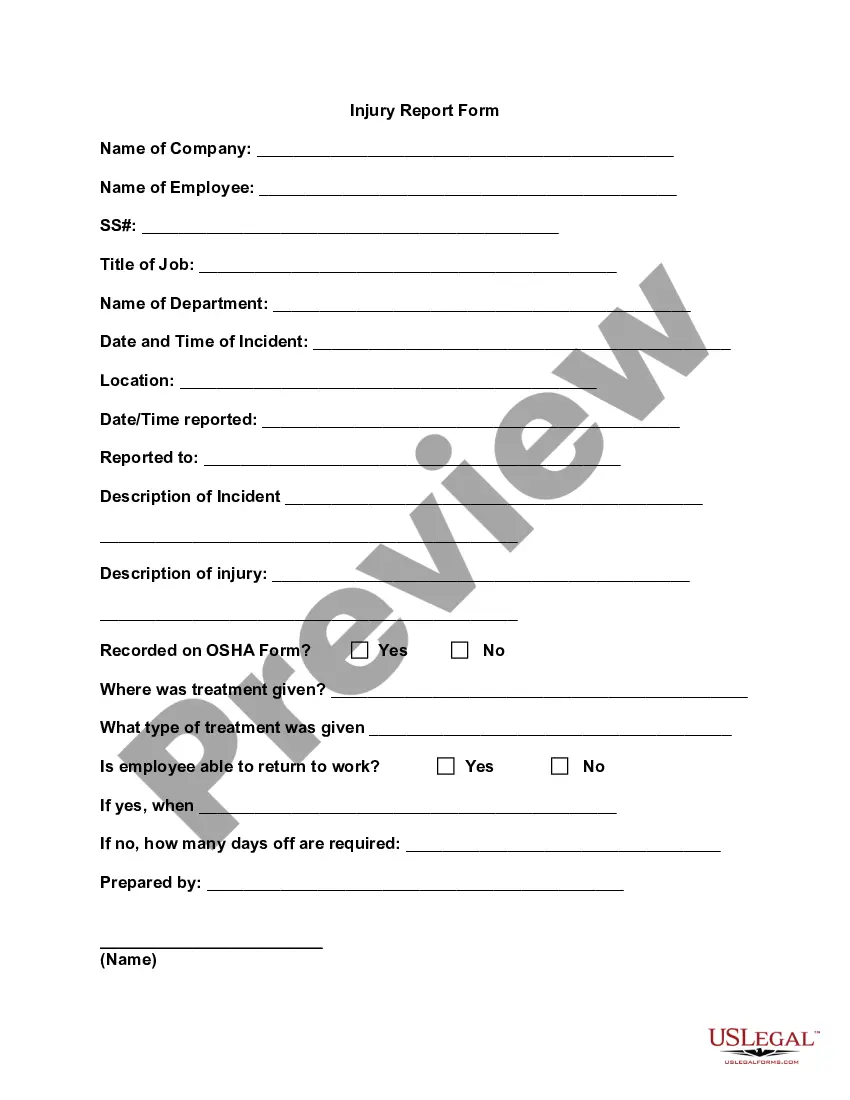
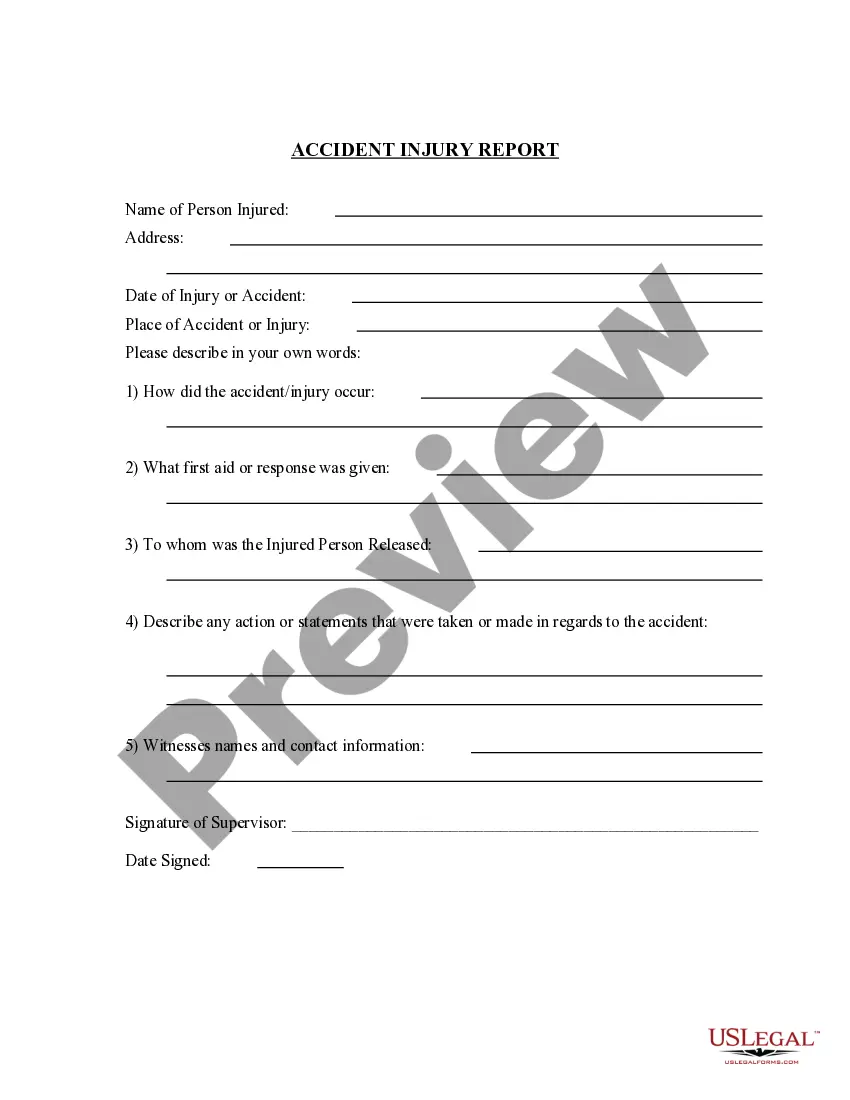
Get your form ready online
Our built-in tools help you complete, sign, share, and store your documents in one place.
Make edits, fill in missing information, and update formatting in US Legal Forms—just like you would in MS Word.
Download a copy, print it, send it by email, or mail it via USPS—whatever works best for your next step.
Sign and collect signatures with our SignNow integration. Send to multiple recipients, set reminders, and more. Go Premium to unlock E-Sign.
If this form requires notarization, complete it online through a secure video call—no need to meet a notary in person or wait for an appointment.
We protect your documents and personal data by following strict security and privacy standards.

Make edits, fill in missing information, and update formatting in US Legal Forms—just like you would in MS Word.

Download a copy, print it, send it by email, or mail it via USPS—whatever works best for your next step.

Sign and collect signatures with our SignNow integration. Send to multiple recipients, set reminders, and more. Go Premium to unlock E-Sign.

If this form requires notarization, complete it online through a secure video call—no need to meet a notary in person or wait for an appointment.

We protect your documents and personal data by following strict security and privacy standards.
Looking for another form?



Form popularity
FAQ
In Florida, typical insured car accident settlements often range from $10,000 to $50,000, though amounts can vary depending on the circumstances of the accident and the available insurance coverage. Severe injury cases in Florida can reach $100,000, if they include long-term care and lost wages.
A reasonable settlement offer is one that includes medical expenses, lost wages, pain and suffering, and property damage. While it varies from case to case, an experienced personal injury lawyers can help you find a reasonable amount for your case.
Florida's 51% bar rule is a legal principle that falls under the broader concept of comparative negligence. This rule states that a person can recover damages in a personal injury case as long as they are not more than 51% at fault for the incident.
Can You Be Sued Personally? Yes, you can be sued personally after a car accident, even if you have insurance. Florida law allows the injured person to sue both the at-fault driver and the owner of the at-fault vehicle. Under Florida Statute 324.021, the car owner's liability is capped at $600,000.
While the amount you sue for needs to reflect your actual damages, there is no limit to that amount. So, Florida victims can generally request compensation of any sum, so long as it is not arbitrary.
In Florida, typical insured car accident settlements often range from $10,000 to $50,000, though amounts can vary depending on the circumstances of the accident and the available insurance coverage. Severe injury cases in Florida can reach $100,000, if they include long-term care and lost wages.
California personal injury settlements are based on past and future economic damages and past non-economic damages, discounted for any comparative fault.
Personal injury protection (PIP), also known as no-fault insurance, covers medical expenses and lost wages for you and your passengers if you're injured in an accident. PIP coverage protects you regardless of who's at fault.
Key elements of a personal injury demand letter Introduction and background information. Description of the incident and injuries. Medical documentation and treatment details. Demand for compensation and (possibly) settlement amount. Contact information and next steps. Create a strong and convincing narrative.
How Do You Create an Effective Victim Impact Statement in a Car Accident? Use your own words to convey your experiences. Focus on how the incident has affected your life, rather than detailing the accident itself. Clearly outline the physical, mental, emotional, and financial impacts, addressing each separately.
