Accident With Trauma In Cook
Description

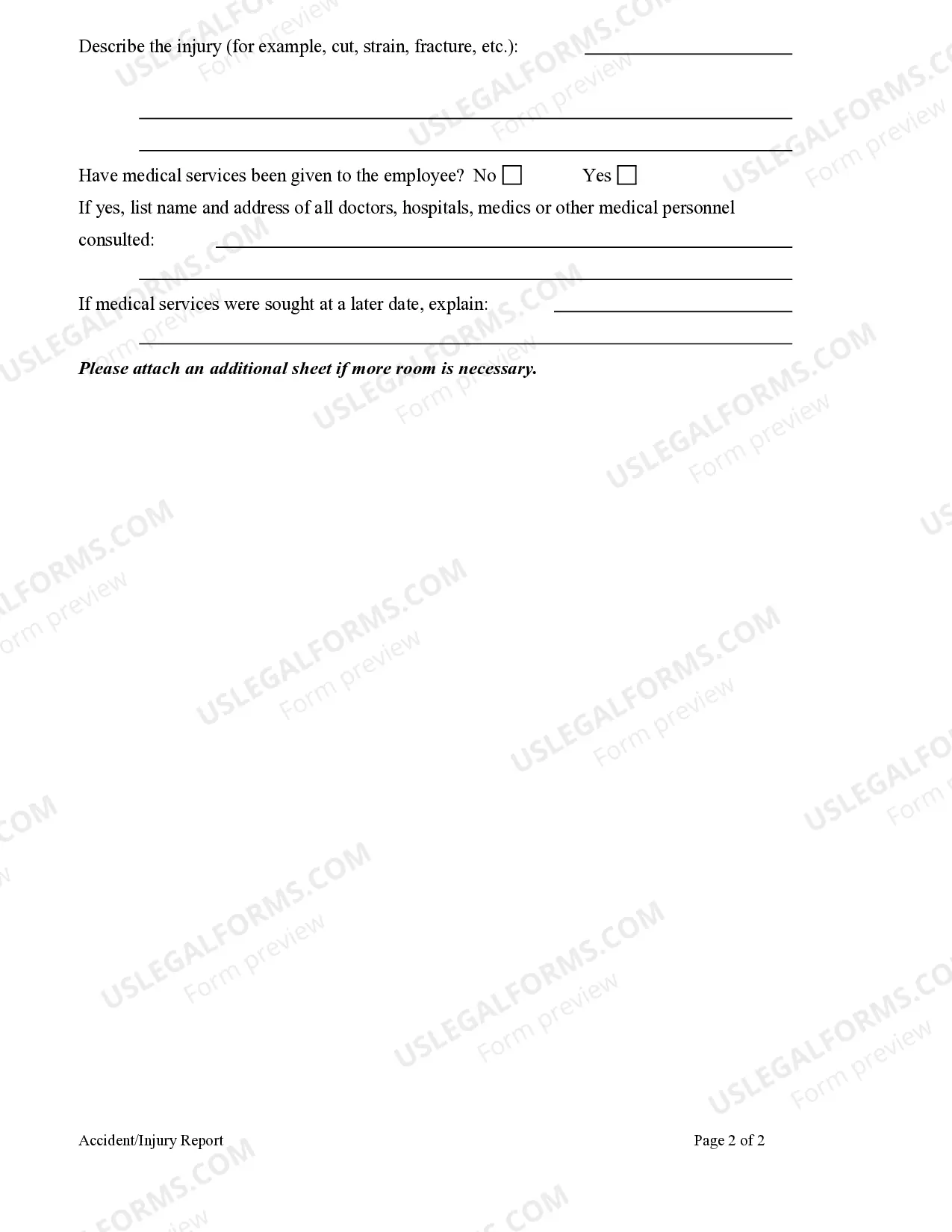
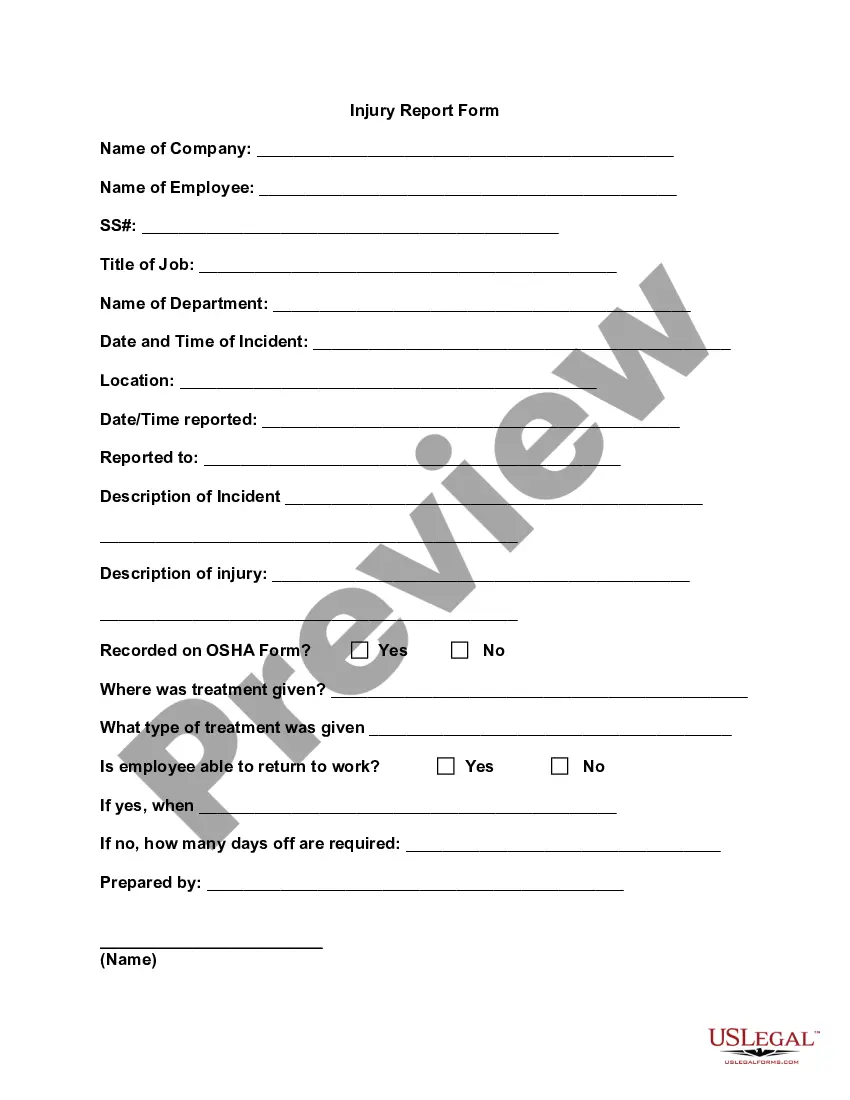
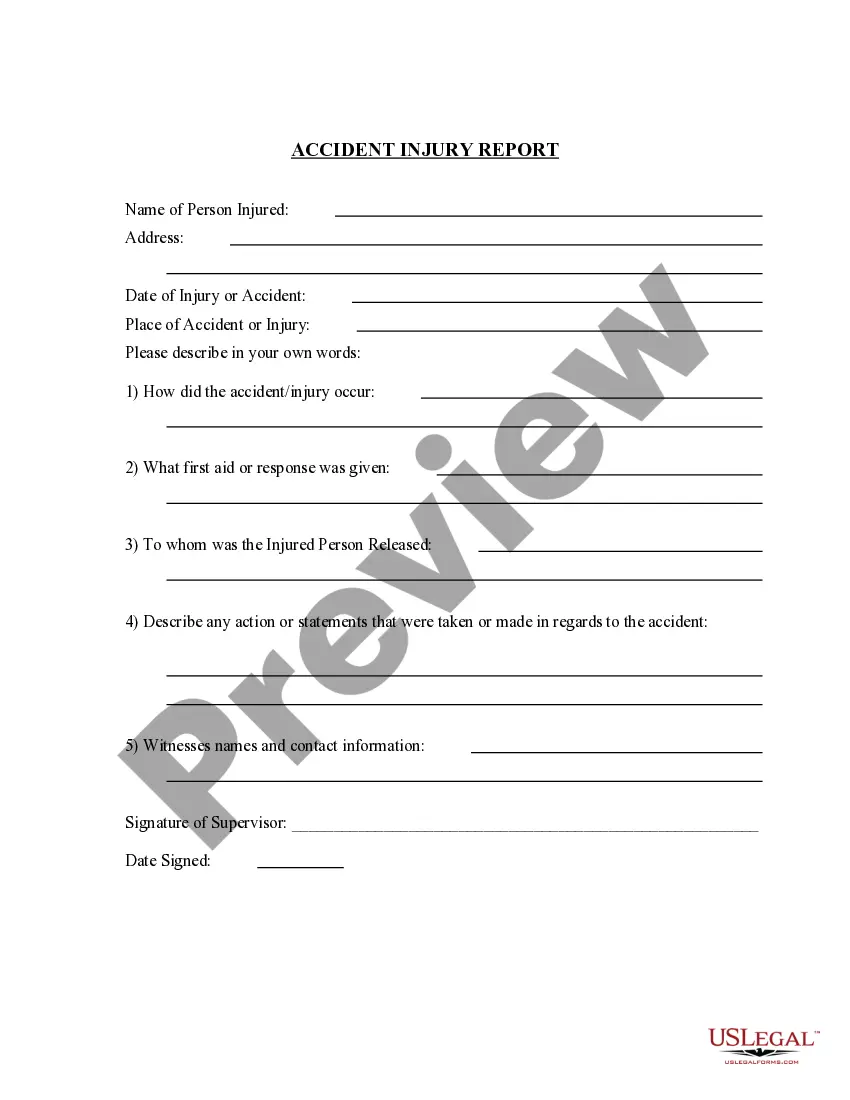
Get your form ready online
Our built-in tools help you complete, sign, share, and store your documents in one place.
Make edits, fill in missing information, and update formatting in US Legal Forms—just like you would in MS Word.
Download a copy, print it, send it by email, or mail it via USPS—whatever works best for your next step.
Sign and collect signatures with our SignNow integration. Send to multiple recipients, set reminders, and more. Go Premium to unlock E-Sign.
If this form requires notarization, complete it online through a secure video call—no need to meet a notary in person or wait for an appointment.
We protect your documents and personal data by following strict security and privacy standards.

Make edits, fill in missing information, and update formatting in US Legal Forms—just like you would in MS Word.

Download a copy, print it, send it by email, or mail it via USPS—whatever works best for your next step.

Sign and collect signatures with our SignNow integration. Send to multiple recipients, set reminders, and more. Go Premium to unlock E-Sign.

If this form requires notarization, complete it online through a secure video call—no need to meet a notary in person or wait for an appointment.

We protect your documents and personal data by following strict security and privacy standards.
Looking for another form?








Form popularity
FAQ
Trauma and Self-Esteem: Rebuilding a Positive Sense of Self Acknowledging and Validating Emotions. Cultivating a Support System. Practising Self-Compassion. Setting Realistic Goals. Emphasising Strengths and Resilience. Engaging in Self-Care. Seeking Professional Support. Practicing Mindfulness.
What can I do to cope after a traumatic event? Avoid the use of alcohol or drugs. Spend time with trusted friends and relatives who are supportive. Try to maintain routines for meals, exercise, and sleep. Engage in exercise, mindfulness, or other activities that help reduce stress.
Do Express your emotions, take the opportunity to review the experience yourself and with others. Take time out to sleep, rest, think and be with your close family and friends. Try to keep your life as settled as possible after the initial period of often intense acute distress.
Attempt to interrupt continuous distress. Encourage survivors to be with others. Encourage increased thinking about the trauma (rather just experiencing). Allow for specific recovery styles to develop in individuals and families (one may talk and another may be silent).
Trauma Survivors think of their support like a "safety net" rather than a "lifeline". Although having one person to help you when you're in trouble is helpful at first, having an entire network of resources will keep you afloat in the long run. If you are completely alone, start building your network one at a time.
Offer practical support. Someone may need practical support following a traumatic event. Trauma can impact our ability to think clearly and organise. Doing things like cooking or cleaning can help.
Feeling like the trauma is happening again (flashbacks) Keep your eyes open. Talk to yourself. Get up and move around. Call someone you trust and tell them what is happening. Remind yourself that this is a common response after trauma. Tell your counselor or doctor about the flashback(s).
Spend time with trusted friends and relatives who are supportive. Try to maintain routines for meals, exercise, and sleep. Engage in exercise, mindfulness, or other activities that help reduce stress. Set realistic goals and focus on what you can manage.
Exercise, in particular, is effective in reducing negative emotions. Practice Mindfulness or Relaxation Techniques: Techniques like deep breathing, meditation, or yoga can help calm your mind and reduce stress. Learn From the Experience: Reflect on the accident and consider what you can learn from it.
1. Basic Information Date and Time: When the accident occurred. 2. Parties Involved Driver Information: Name, address, phone number, driver's license number, and insurance details for each driver. 3. Witnesses 4. Accident Description 5. Law Enforcement 6. Additional Information 7. Conclusion 8. Attachments
