Assignment On Transaction Processing System In San Jose
Description
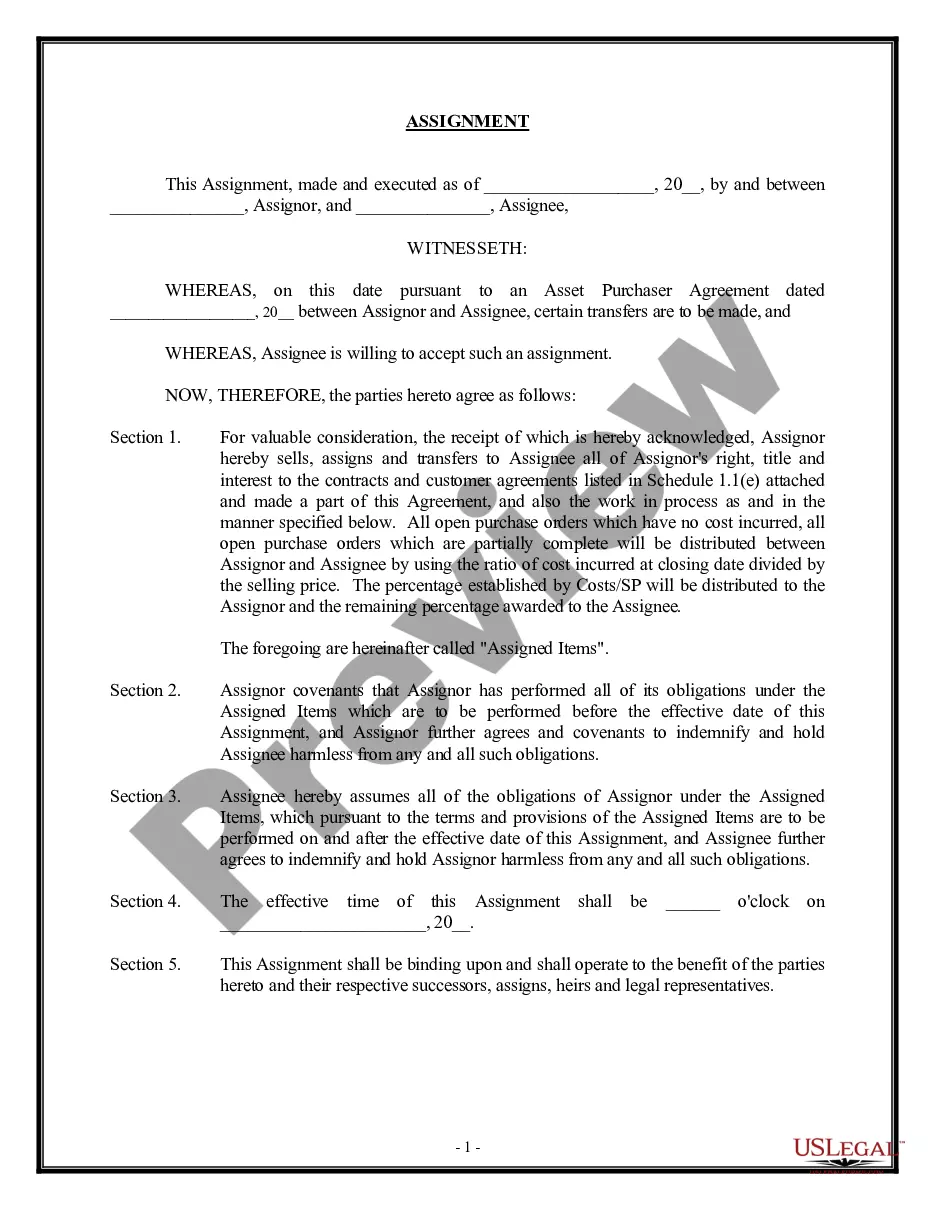
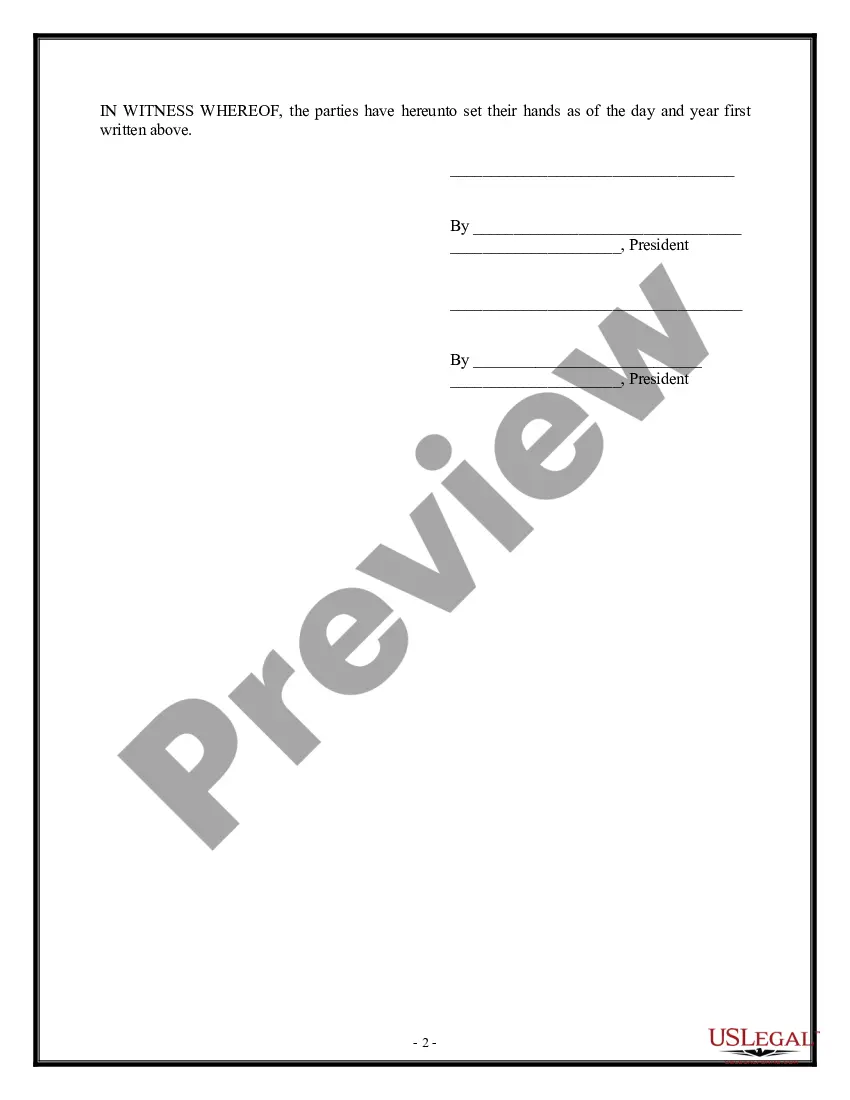


Get your form ready online
Our built-in tools help you complete, sign, share, and store your documents in one place.
Make edits, fill in missing information, and update formatting in US Legal Forms—just like you would in MS Word.
Download a copy, print it, send it by email, or mail it via USPS—whatever works best for your next step.
Sign and collect signatures with our SignNow integration. Send to multiple recipients, set reminders, and more. Go Premium to unlock E-Sign.
If this form requires notarization, complete it online through a secure video call—no need to meet a notary in person or wait for an appointment.
We protect your documents and personal data by following strict security and privacy standards.

Make edits, fill in missing information, and update formatting in US Legal Forms—just like you would in MS Word.

Download a copy, print it, send it by email, or mail it via USPS—whatever works best for your next step.

Sign and collect signatures with our SignNow integration. Send to multiple recipients, set reminders, and more. Go Premium to unlock E-Sign.

If this form requires notarization, complete it online through a secure video call—no need to meet a notary in person or wait for an appointment.

We protect your documents and personal data by following strict security and privacy standards.
Looking for another form?


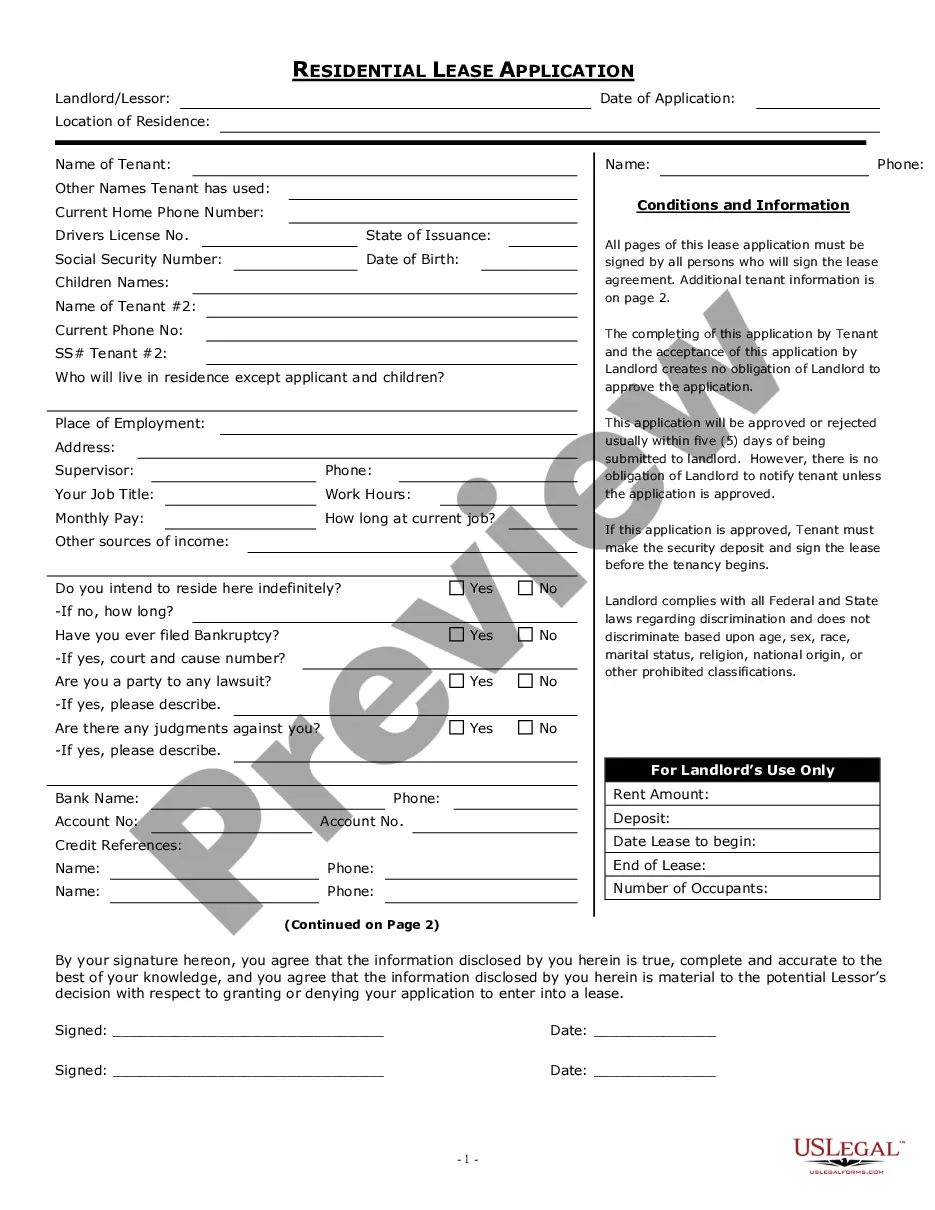





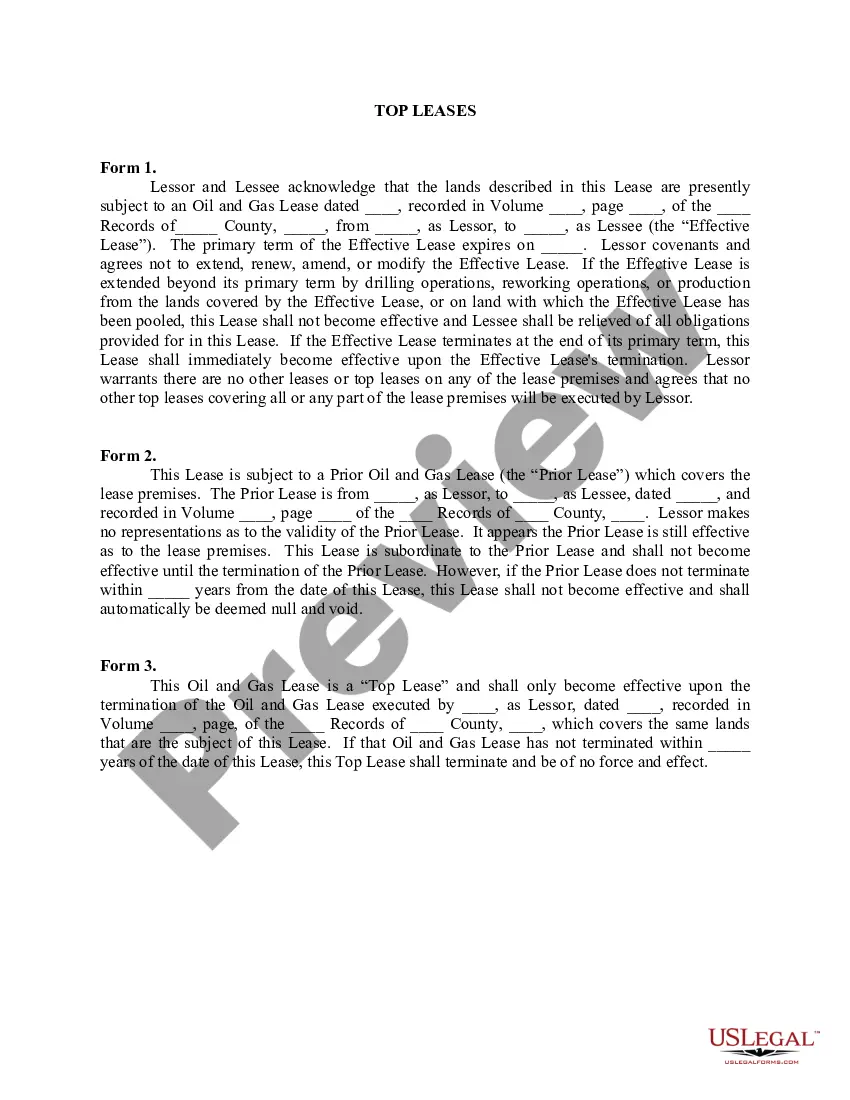
Form popularity
FAQ
The first step in the transaction processing cycle is data entry.
The transaction processing system reads each input and creates a useful output, such as a receipt. This element can help you define the input data and what the output should be. Based on the kind of TPS your company is using, processing times can vary.
Different examples of transaction processing include automated teller machines, credit card authorizations, online bill payments, self-checkout stations at grocery stores, the trading of stocks over the Internet, and various other forms of electronic commerce.
A) Identifying and collecting all source documents to validate the transaction. b) Analyzing the transaction using the accounting equation. c) Record the identified transactions in the journal book chronologically.
Transaction processing systems generally go through a five-stage cycle of 1) Data entry activities 2) Transaction processing activities 3) File and database processing 4) Document and report generation 5) Inquiry processing activities.
The issuing bank transfers the transaction amount (minus any applicable fees) to the acquiring bank through the card networks. The details are recorded and reconciled among the parties involved. During the settlement process, the acquiring bank deposits the funds into the business's account.
Examples of transaction processing system are ATM, Telephone Account and airline seat reservation system.
Online transactions are familiar to many people. Some examples include: ATM transactions such as deposits, withdrawals, inquiries, and transfers. Supermarket payments with debit or credit cards.
TPSs are used in almost every sector where an online transaction occurs, such as airline bookings, online purchases in retail such as online shopping, and ticket sales for concerts, plays, and movies. TPSs commonly possess certain elements such as inputs, storage, processing, and output.
Examples of OLTP systems and transactions OLTP systems are used across a variety of industries and are in many consumer-facing systems. Some common examples of systems that use OLTP include: ATMs, financial transaction systems and online banking applications; online bookings, ticketing and reservation systems; and.
