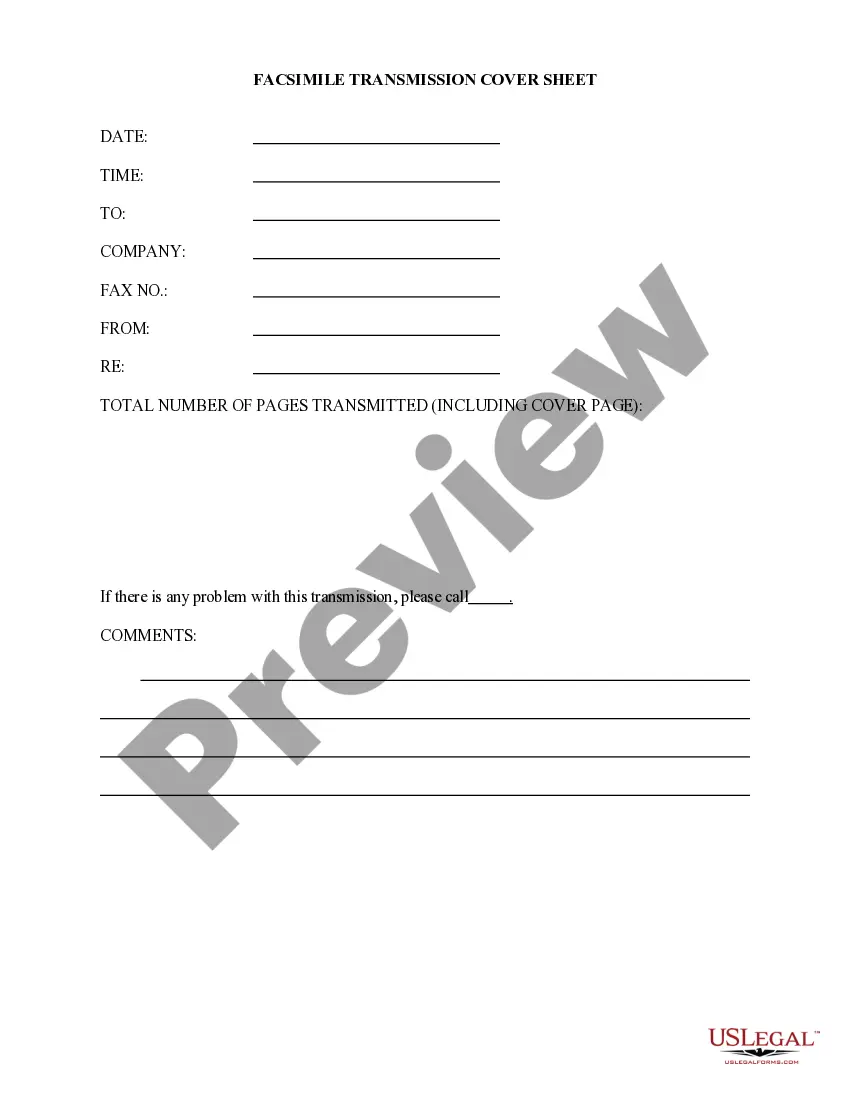
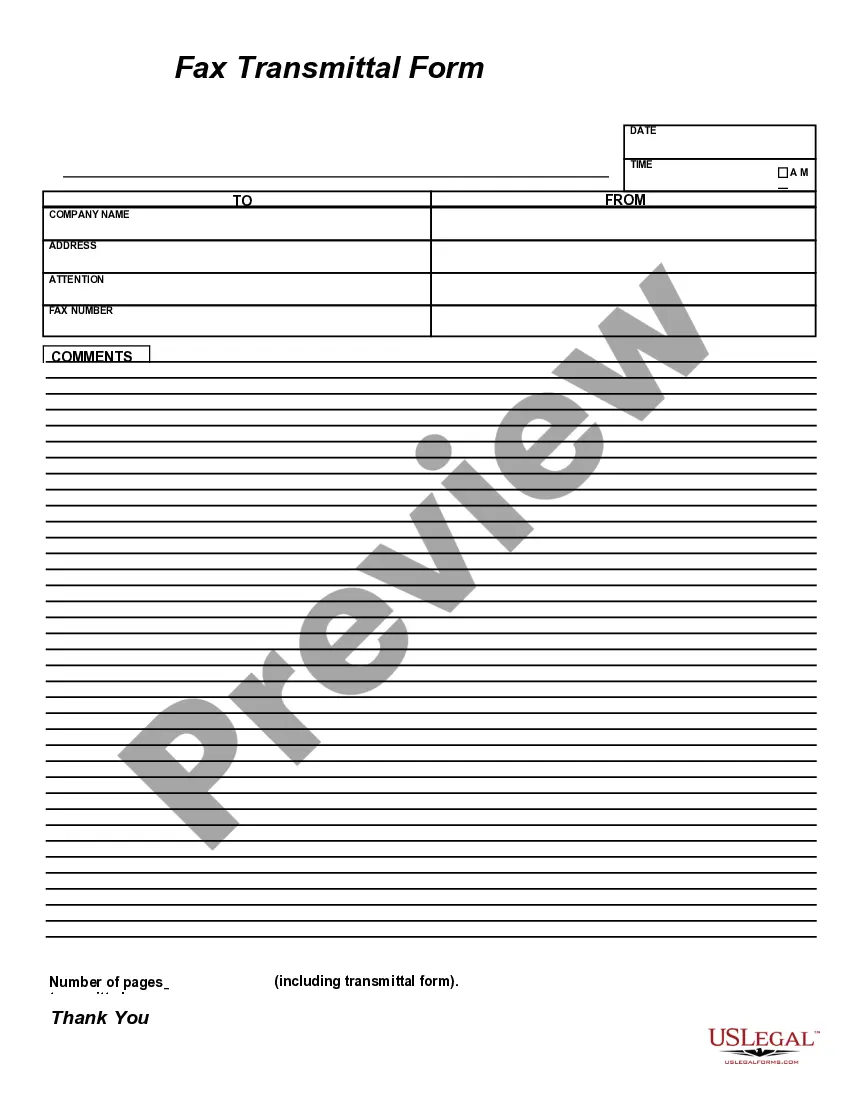
Fax Cover Sheet With Confidentiality Statement In Fulton
Description
Get your form ready online
Our built-in tools help you complete, sign, share, and store your documents in one place.
Make edits, fill in missing information, and update formatting in US Legal Forms—just like you would in MS Word.
Download a copy, print it, send it by email, or mail it via USPS—whatever works best for your next step.
Sign and collect signatures with our SignNow integration. Send to multiple recipients, set reminders, and more. Go Premium to unlock E-Sign.
If this form requires notarization, complete it online through a secure video call—no need to meet a notary in person or wait for an appointment.
We protect your documents and personal data by following strict security and privacy standards.

Make edits, fill in missing information, and update formatting in US Legal Forms—just like you would in MS Word.

Download a copy, print it, send it by email, or mail it via USPS—whatever works best for your next step.

Sign and collect signatures with our SignNow integration. Send to multiple recipients, set reminders, and more. Go Premium to unlock E-Sign.

If this form requires notarization, complete it online through a secure video call—no need to meet a notary in person or wait for an appointment.

We protect your documents and personal data by following strict security and privacy standards.
Looking for another form?




Form popularity
FAQ
For example, you may not include the patient's name as this violates HIPAA standards. Instead, a fax cover sheet may have the patient's case number for easy reference. In some cases, you may include the physician's contact number, case number, and insurance policy number on the fax cover sheet.
The information is intended only for the use of the individual(s) or entity named above. If you are not the intended recipient, you are hereby notified that any disclosure, copying, distribution, or taking of any action in reliance on the contents of this facsimile information is strictly prohibited.
The confidentiality notice should always appear on the fax's cover sheet, along with a notice of the intended recipients, their contact information, and the contact information of the sender. It is highly recommended that the word “confidential” appear prominently (in large type) on the cover page.
A HIPAA fax cover sheet disclaimer. A HIPAA fax cover sheet disclaimer is a message addressed to the fax recipient, that states that the faxed information is confidential. The disclaimer also should state that the transmission may contain protected health information.
Electronic Faxing (eFax) You still use your recipient's fax number, but with efax, you can send from any internet-enabled device: desktops, laptops, tablets, or smartphones. If securely configured with encrypted transmission, electronic faxing can be HIPAA compliant.
When sending a fax, include a cover sheet indicating the date and time sent; the recipient's name and fax number; and the sender's name, organization and phone number. The fax cover sheet should NEVER include a patient's name or any other PHI. 2. Include a privacy statement in the fax cover sheet.
Fax machines should be located in secure areas where the public cannot access it. Always use a fax cover sheet with a confidentiality statement. Verify the recipient information and consider using an online fax service for added security.
Create a Fax Cover Sheet for Confidential Documents in 7 Steps Add a Header With a Clear Subject and Mark It as Confidential. Add the Intended Recipient's Information To Ensure It Reaches the Right Person. Include the Date and Time of the Fax Transmission. Include a Brief Message With the Highlights of the Message.
The best practice for filling out a fax cover sheet includes, complete sender and recipient information, detailed fax information, confidentiality notice, clear and concise communication, and a consistent format.