Job Openings For Work From Home In San Diego
Description
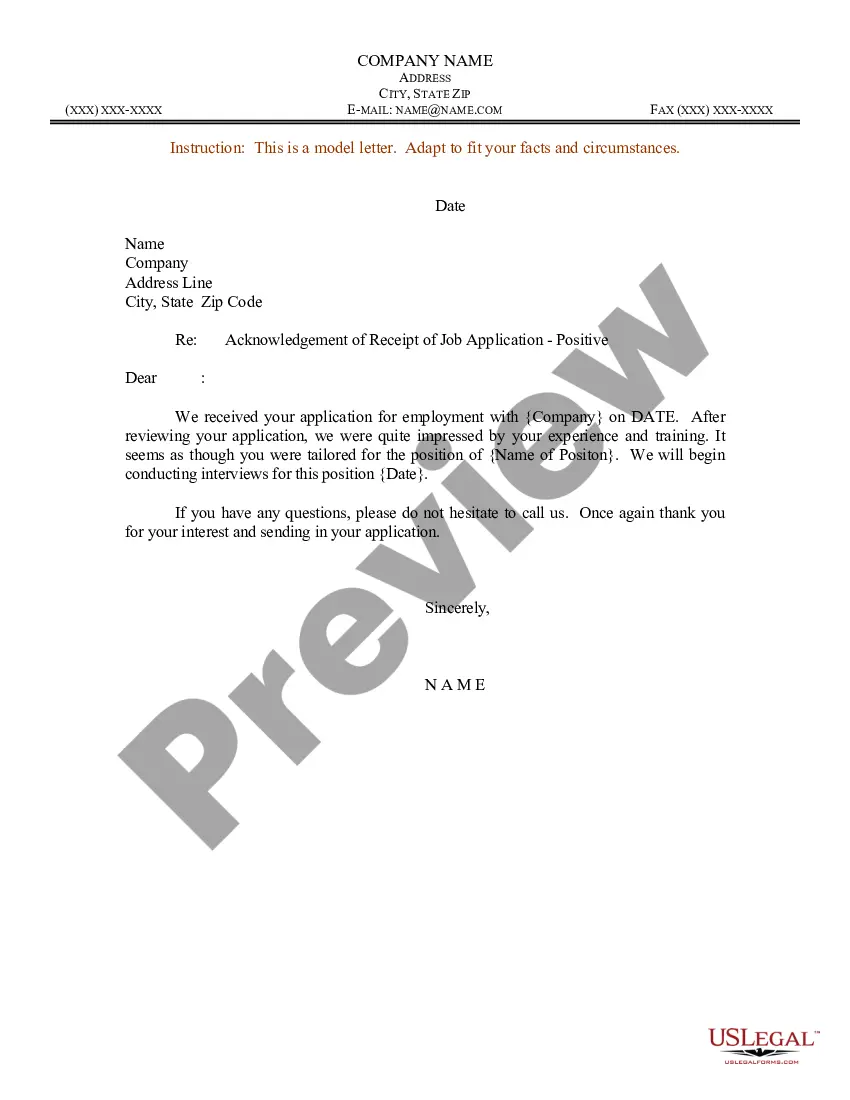


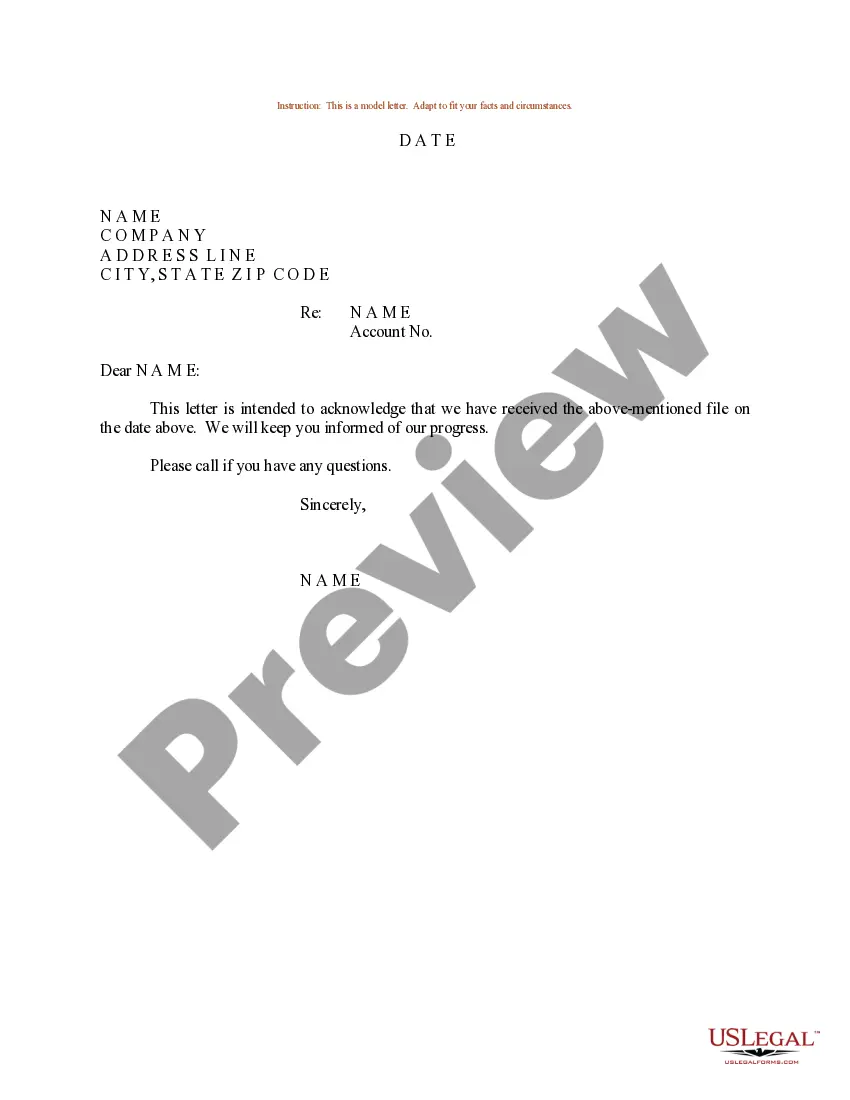
Get your form ready online
Our built-in tools help you complete, sign, share, and store your documents in one place.
Make edits, fill in missing information, and update formatting in US Legal Forms—just like you would in MS Word.
Download a copy, print it, send it by email, or mail it via USPS—whatever works best for your next step.
Sign and collect signatures with our SignNow integration. Send to multiple recipients, set reminders, and more. Go Premium to unlock E-Sign.
If this form requires notarization, complete it online through a secure video call—no need to meet a notary in person or wait for an appointment.
We protect your documents and personal data by following strict security and privacy standards.

Make edits, fill in missing information, and update formatting in US Legal Forms—just like you would in MS Word.

Download a copy, print it, send it by email, or mail it via USPS—whatever works best for your next step.

Sign and collect signatures with our SignNow integration. Send to multiple recipients, set reminders, and more. Go Premium to unlock E-Sign.

If this form requires notarization, complete it online through a secure video call—no need to meet a notary in person or wait for an appointment.

We protect your documents and personal data by following strict security and privacy standards.
Looking for another form?

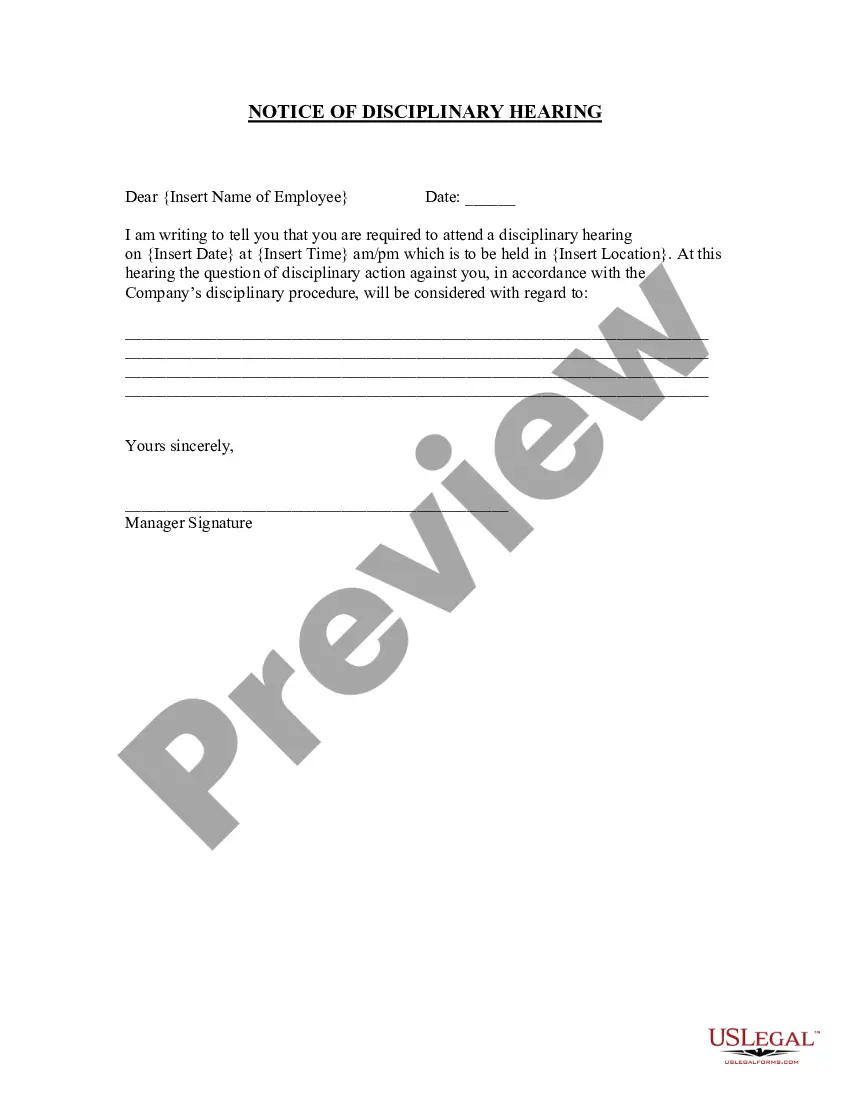
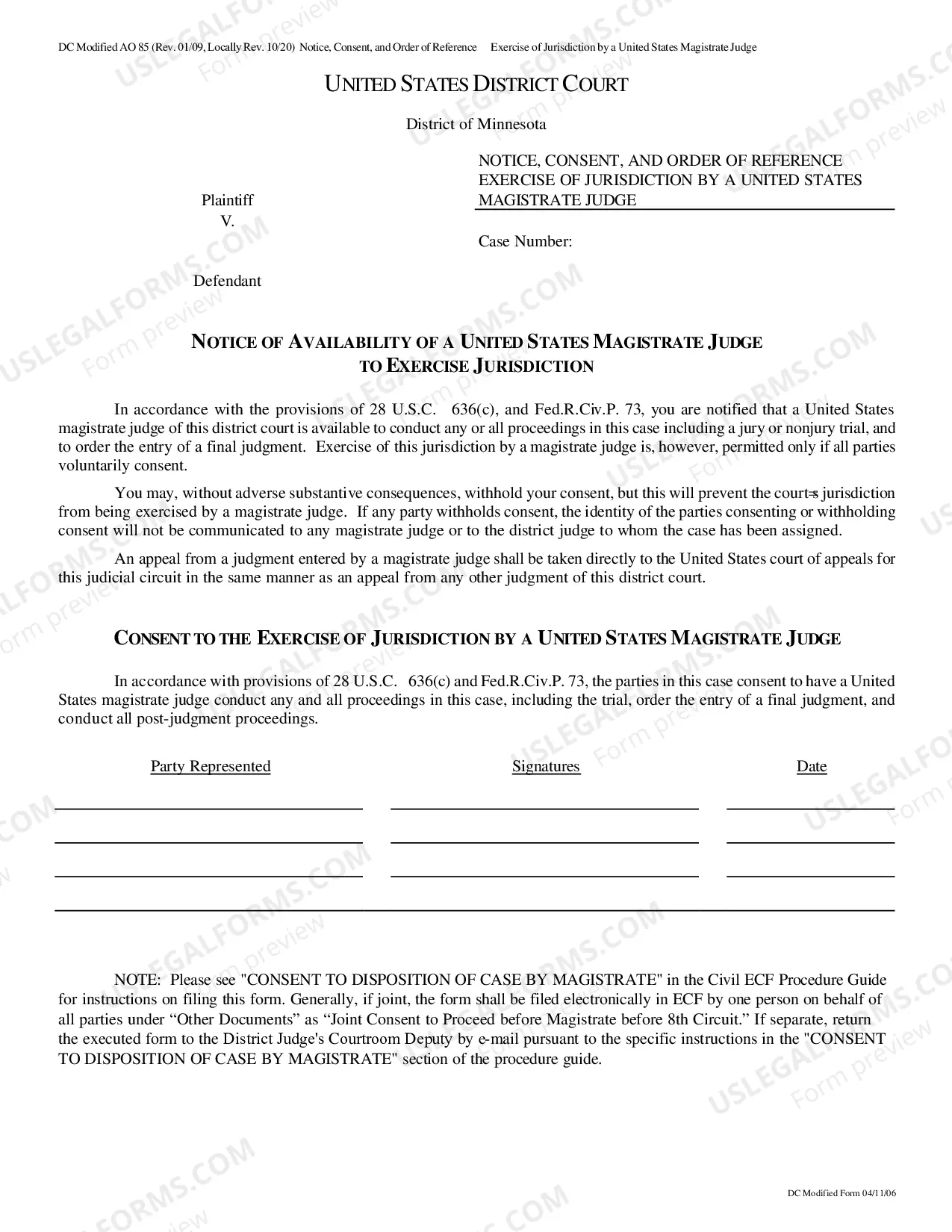

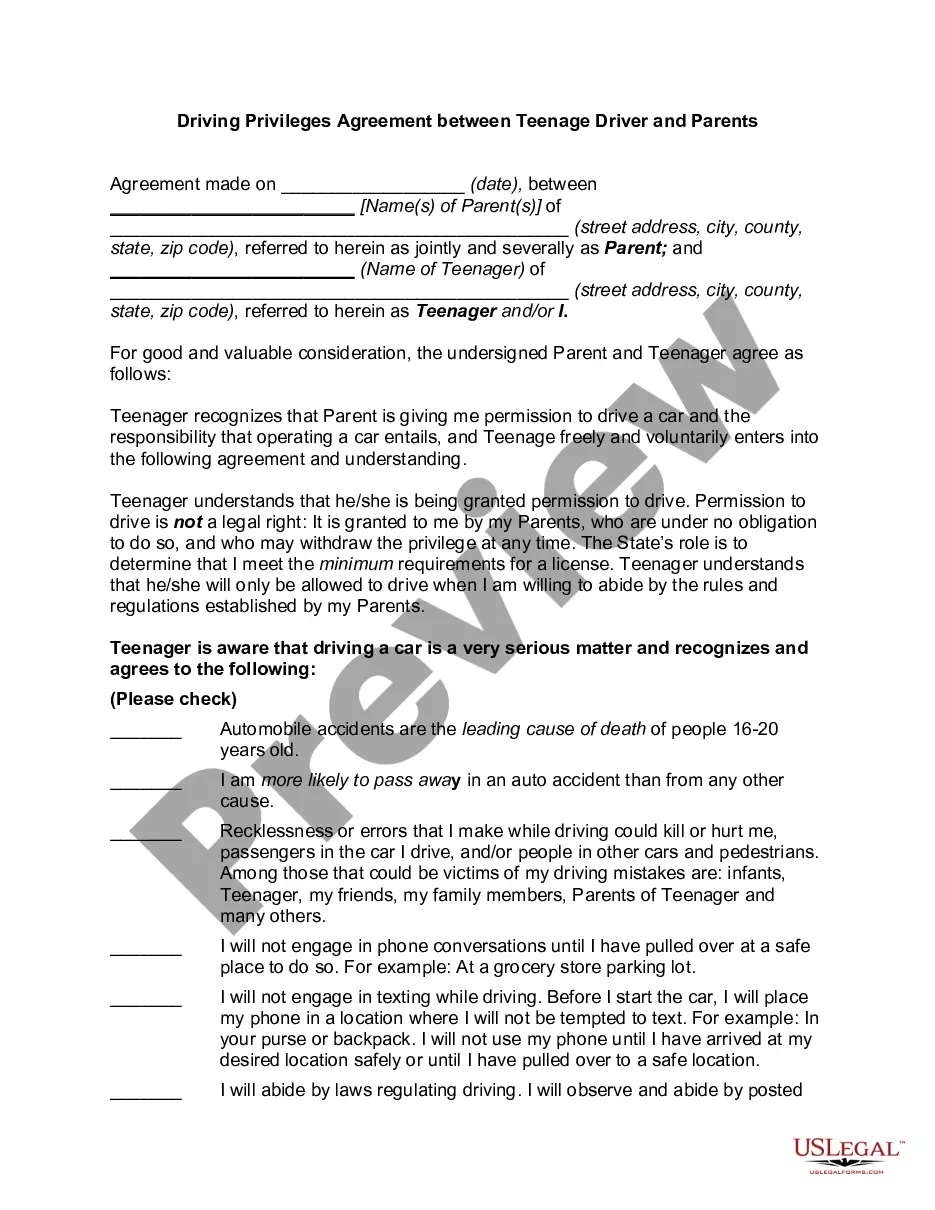
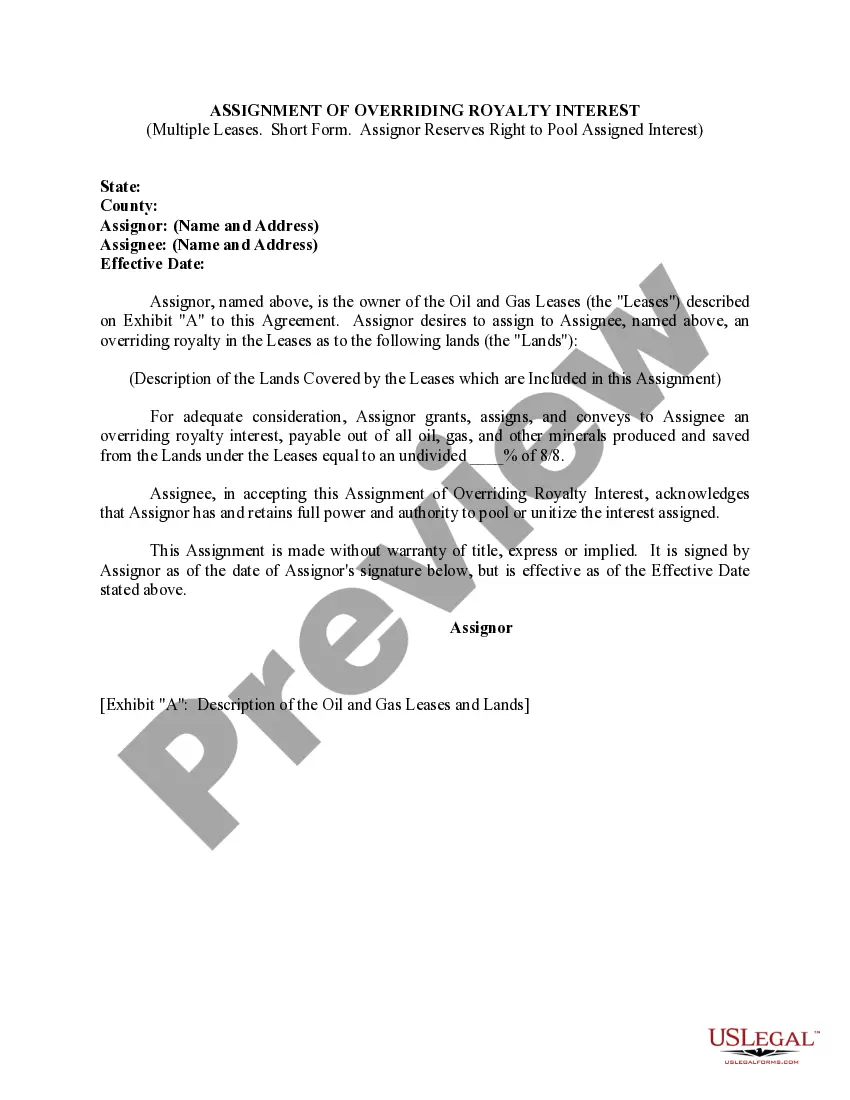
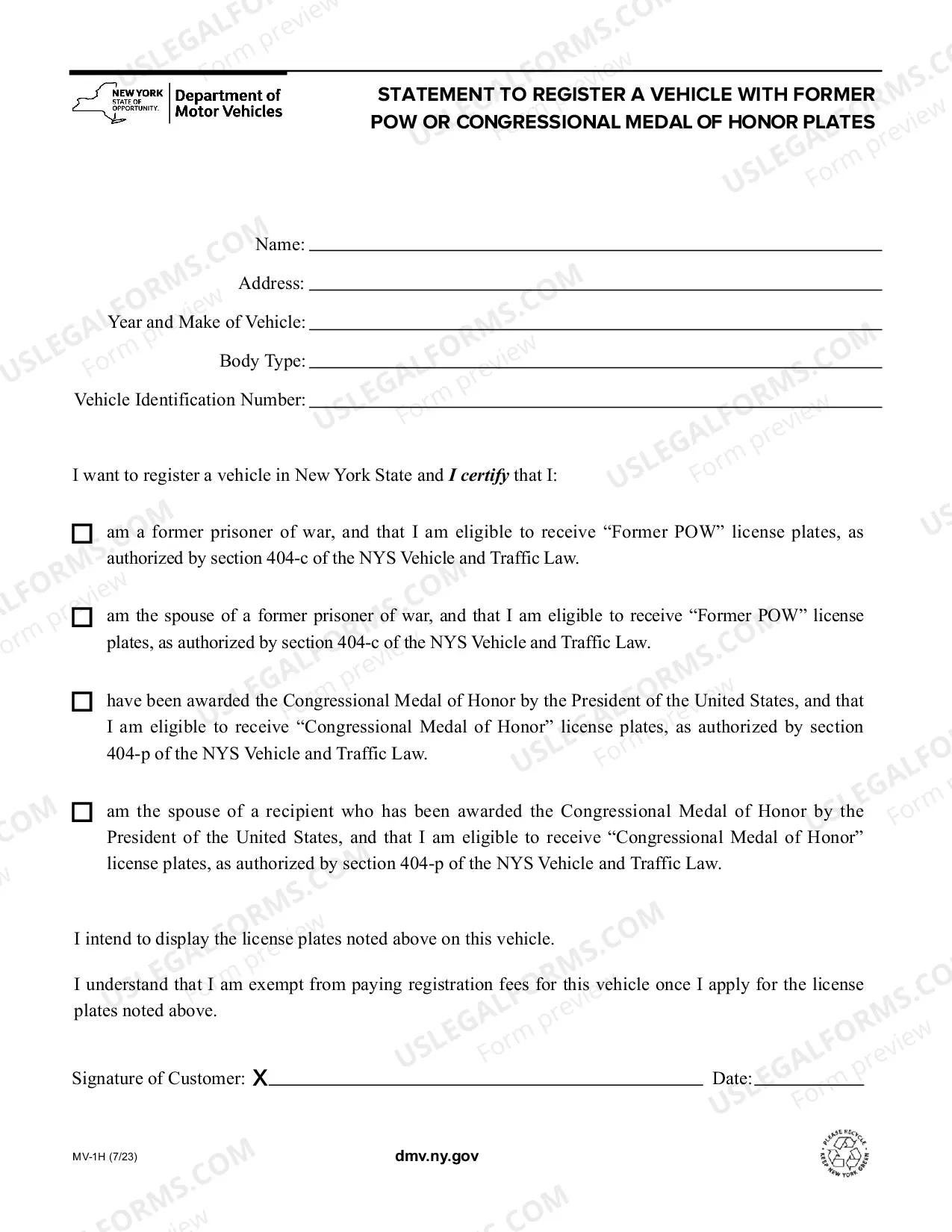
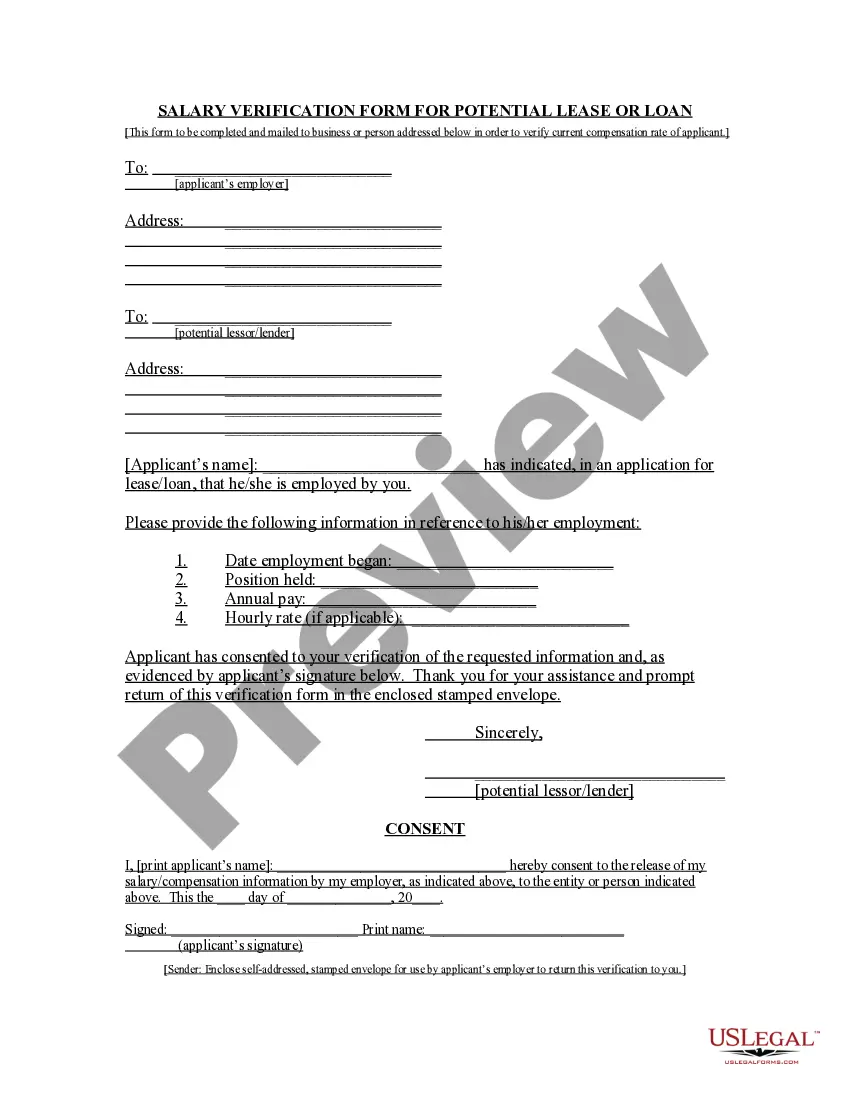
Form popularity
FAQ
Ready to apply for a job? Try these job application tips. Read all directions first. Fill out applications neatly and completely. Always list an appropriate "desired position" or job title. Give a range for your salary requirements. Give good reasons for leaving past jobs. Watch for illegal questions. Be honest.
The best approach depends on the context and your comfort level. If the job is local and you feel confident, an in-person inquiry might be more effective. If you prefer a more casual or convenient approach, a phone call could work better.
Respect Boundaries: If you know the employer is particularly busy, an email might be more respectful of their time. In summary, if the matter is urgent or requires direct conversation, a phone call is appropriate. For most other situations, especially formal ones, an email is generally better.
Here are some important elements to provide in a work-from-home request: Your reasoning for working from home. The time you want to work from home. Your dedication to the company and its goals. Examples of positive aspects of working from home. A forward-looking conclusion statement.
Yes. To a recruiter, it is often a good sign from a prospective employee that they were looking into a location because they think it might be a good fit. If there's a human resource office, you can start there by asking about career paths and opportunities that line up with your skills and experience.
If the job is local and you feel confident, an in-person inquiry might be more effective. If you prefer a more casual or convenient approach, a phone call could work better. Consider the company culture and your relationship with the person you're contacting as well.
While there is no definitive statistic quantifying how much more likely you are to get a job by applying in person versus online or over the phone, many job seekers report higher success rates when applying in person, particularly in industries that value personal interaction.
To start working from home, you can begin by identifying your skills and the type of work you are interested in. You can search for remote job opportunities on various job boards and company websites. You can also consider freelancing, starting your own online business or offering your services as a consultant.
To start working from home, you can begin by identifying your skills and the type of work you are interested in. You can search for remote job opportunities on various job boards and company websites. You can also consider freelancing, starting your own online business or offering your services as a consultant.

