Sample Letter For Acknowledgement In Salt Lake
Description
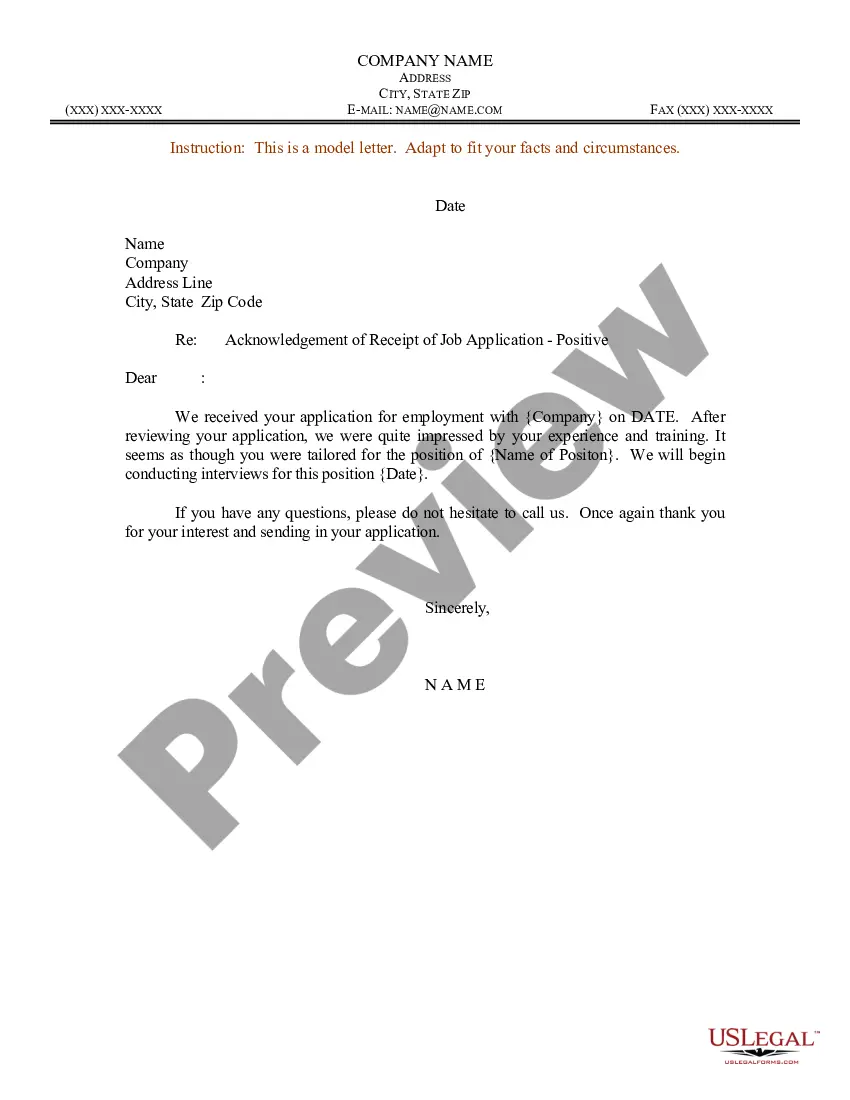


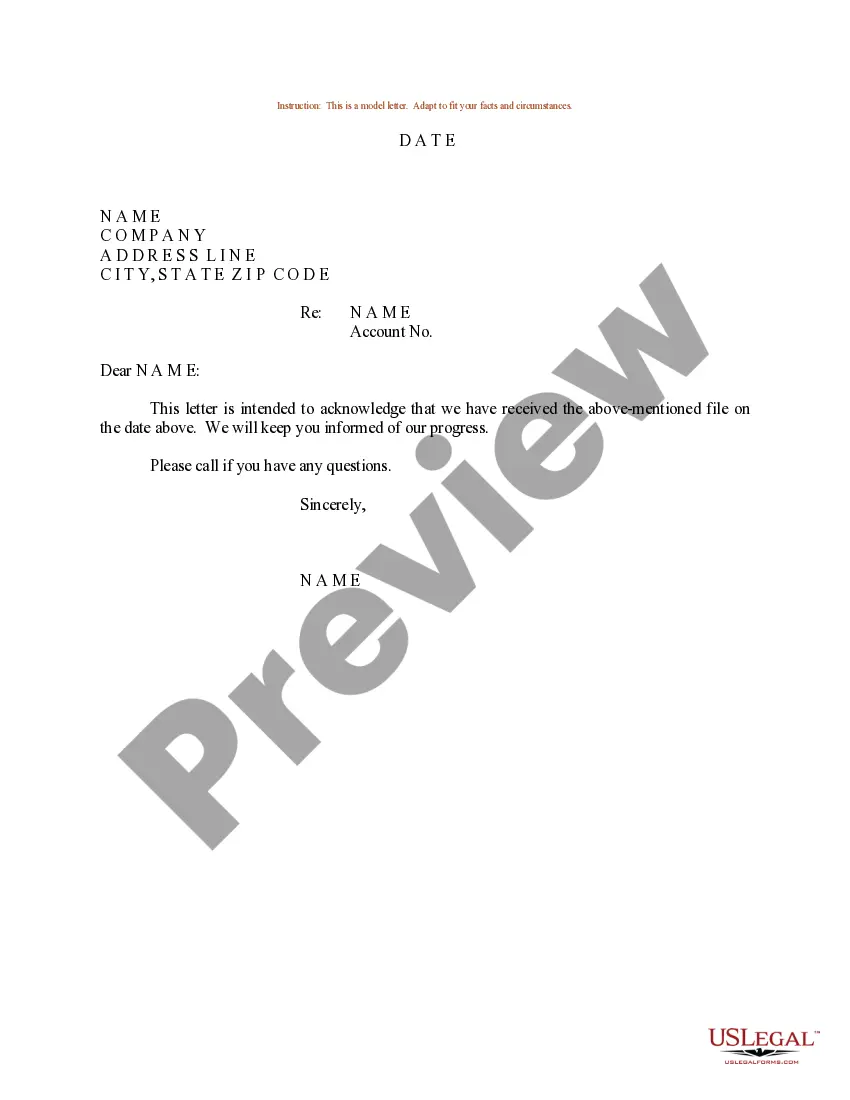
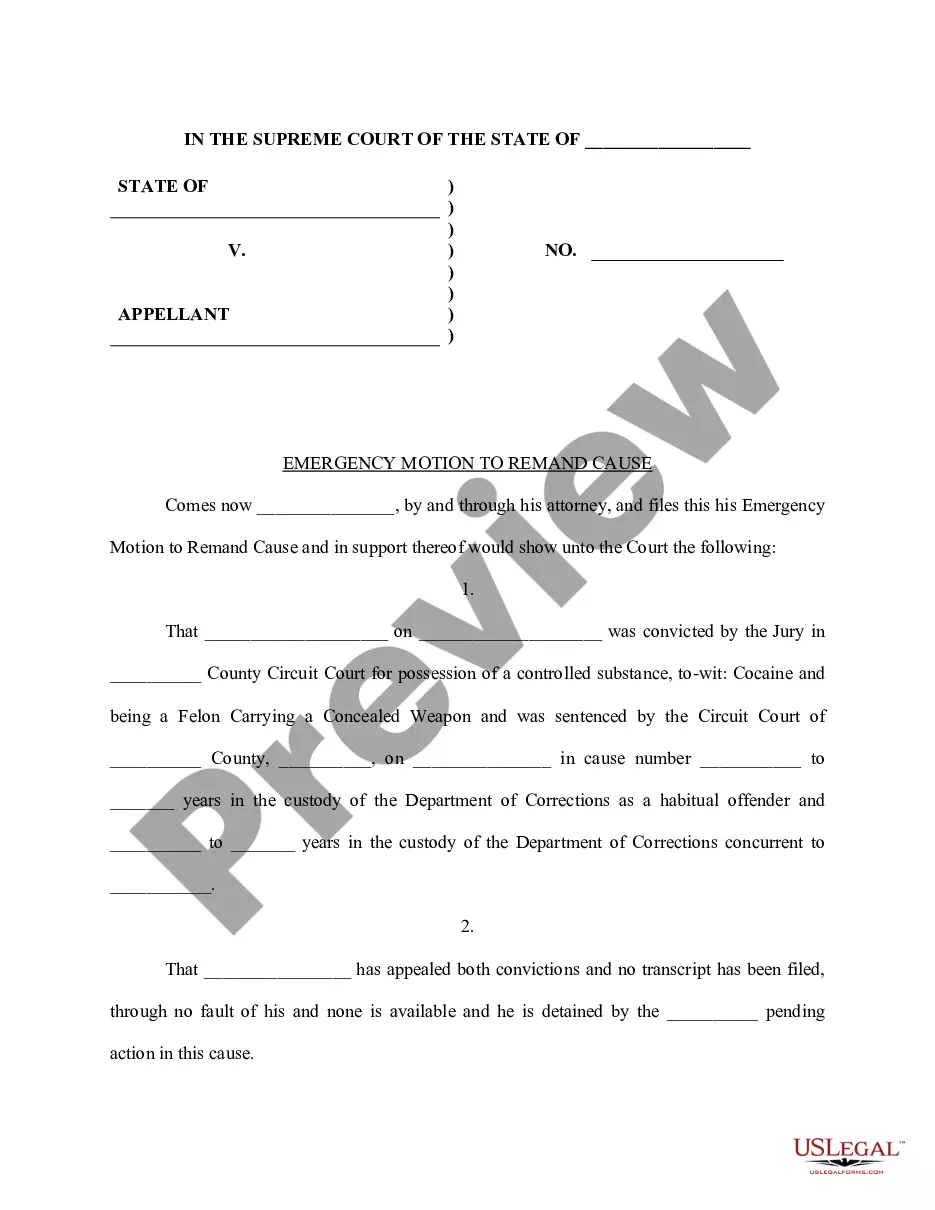
Get your form ready online
Our built-in tools help you complete, sign, share, and store your documents in one place.
Make edits, fill in missing information, and update formatting in US Legal Forms—just like you would in MS Word.
Download a copy, print it, send it by email, or mail it via USPS—whatever works best for your next step.
Sign and collect signatures with our SignNow integration. Send to multiple recipients, set reminders, and more. Go Premium to unlock E-Sign.
If this form requires notarization, complete it online through a secure video call—no need to meet a notary in person or wait for an appointment.
We protect your documents and personal data by following strict security and privacy standards.

Make edits, fill in missing information, and update formatting in US Legal Forms—just like you would in MS Word.

Download a copy, print it, send it by email, or mail it via USPS—whatever works best for your next step.

Sign and collect signatures with our SignNow integration. Send to multiple recipients, set reminders, and more. Go Premium to unlock E-Sign.

If this form requires notarization, complete it online through a secure video call—no need to meet a notary in person or wait for an appointment.

We protect your documents and personal data by following strict security and privacy standards.
Looking for another form?









Form popularity
FAQ
For an oath: “Do you solemnly state that the evidence you shall give in this issue (or matter) shall be the truth, the whole truth, and nothing but the truth, so help you God?”
Now what do you fill in fill in the venue or county where you are notarizing the date you notarized.MoreNow what do you fill in fill in the venue or county where you are notarizing the date you notarized. Your name and title of office notary. Public next you fill in the name of your signer appearing.
“I, _________, do solemnly swear (or affirm) that I will support and defend the Constitution of the United States against all enemies, foreign and domestic; that I will bear true faith and allegiance to the same; that I take this obligation freely, without any mental reservation or purpose of evasion; and that I will ...
I do solemnly swear (or affirm) that I will support, obey, and defend the Constitution of the United States and the Constitution of the State of Utah, and that I will discharge the duties of my office with fidelity. Subscribed and sworn to before me this ______ day of _________, 20____, by ____________________.
An Oath of Office is a solemn promise to uphold the laws and regulations of the office you are taking. The oath also pledges that you will perform all duties required by your office with honesty and integrity.
Verbal oaths or affirmations may be notarial acts in their own right — as when "swearing in" a new public official — or they may be part of performing a jurat notarization for a signed document.
States do not allow Notaries to accept copies of signer IDs Several states require the signer to present an actual identification document — not a copy. For example, California, Florida and Pennsylvania require signers to present specific identification documents for notarization.

