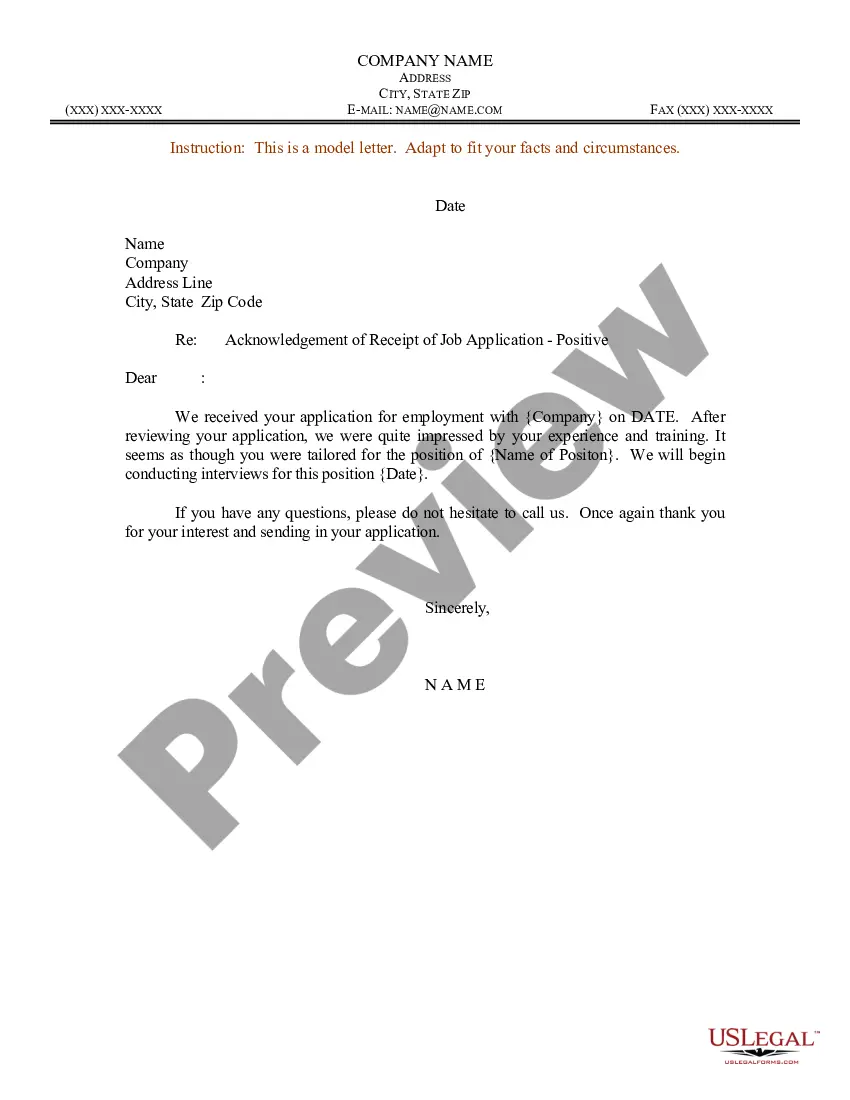
Job Application Letter Format Class 12 In Salt Lake
Description


Get your form ready online
Our built-in tools help you complete, sign, share, and store your documents in one place.
Make edits, fill in missing information, and update formatting in US Legal Forms—just like you would in MS Word.
Download a copy, print it, send it by email, or mail it via USPS—whatever works best for your next step.
Sign and collect signatures with our SignNow integration. Send to multiple recipients, set reminders, and more. Go Premium to unlock E-Sign.
If this form requires notarization, complete it online through a secure video call—no need to meet a notary in person or wait for an appointment.
We protect your documents and personal data by following strict security and privacy standards.

Make edits, fill in missing information, and update formatting in US Legal Forms—just like you would in MS Word.

Download a copy, print it, send it by email, or mail it via USPS—whatever works best for your next step.

Sign and collect signatures with our SignNow integration. Send to multiple recipients, set reminders, and more. Go Premium to unlock E-Sign.

If this form requires notarization, complete it online through a secure video call—no need to meet a notary in person or wait for an appointment.

We protect your documents and personal data by following strict security and privacy standards.
Looking for another form?








Form popularity
FAQ
The letter should have the sender's address, date, receiver's address, subject, salutation, body in 2-3 paragraphs, complimentary close and signature. The CV consists of personal details, qualifications, work experience, achievements, languages known, skills and references.
How to write an education section on a CV Include the name and location of any schools attended. Describe the degree you earned. Provide your GPA and graduation date. List relevant courses. Add extracurricular activities. Show your accomplishments.
Information to include in your resume education section The name of your school. Location of your school. The degree you obtained (if applicable) Your field of study. Graduation year (if applicable) Your GPA (Note: You may not want to include this if it's not above 3.4)
Salutation—Begin your letter with “Dear” followed by the reader's title and last name, ending with a colon, not a comma. Four Paragraphs Minimum—Your letter should have at least an introductory paragraph, an education paragraph, an employment paragraph, and a concluding paragraph.
Rank your highest degrees first and continue in reverse chronological order. And remember, when ranking your educational achievements, it's not necessary to list your high school graduation if you have completed a college degree. If you haven't completed college, list your high school education.
Direct Response: Simply state your highest level of education. For example: Contextual Response: If the question arises in a professional context, you might want to include how your education relates to your current role: Casual Response: If it's a casual convers
Include your high school as the highest level of completed education. If you have completed college education, skip your high school. If you have master's and bachelor's degrees, include both. If you have a PhD, include your PhD and your master's degree, skip your bachelor's degree.
How to write a job application email Write a clear subject line. Include a salutation. Introduce yourself in the first sentence. Turn your cover letter into the body of your email. Close with details. Sign your email. Attach your materials. Proofread before you hit “send.”

