Job Offer Letter For Visa Application In Orange
Description
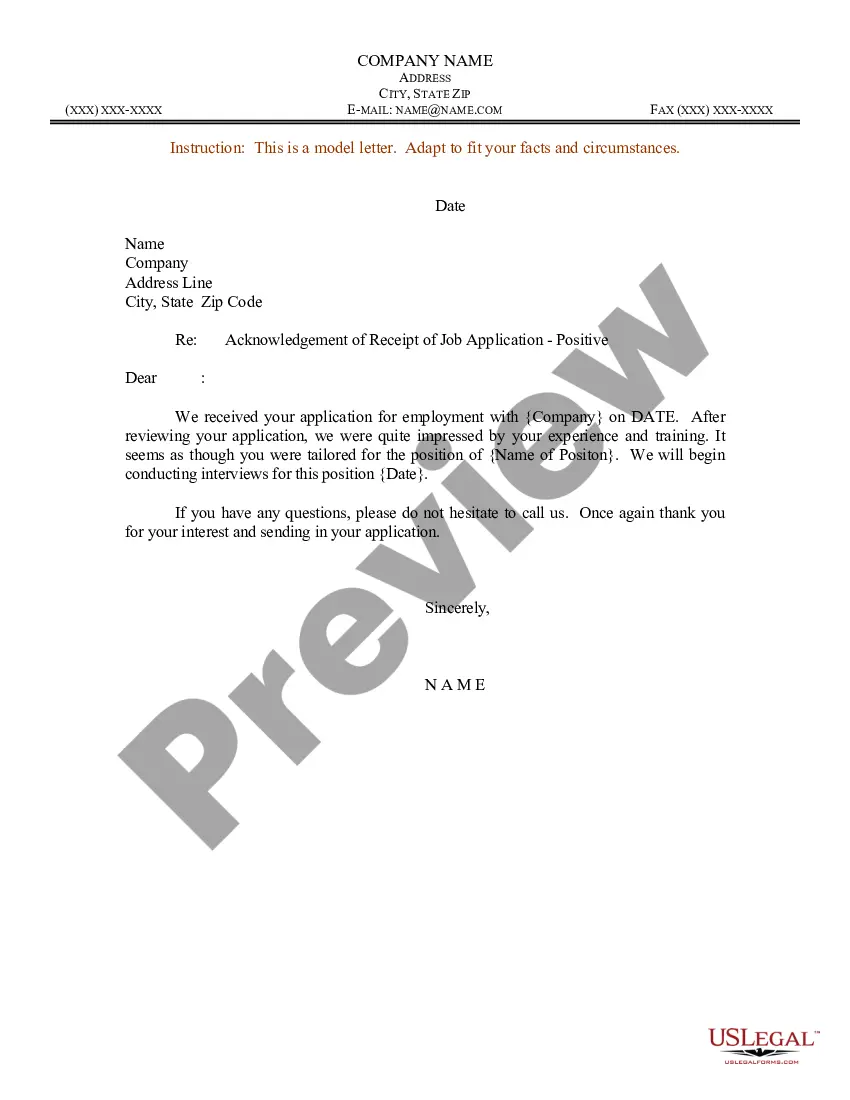


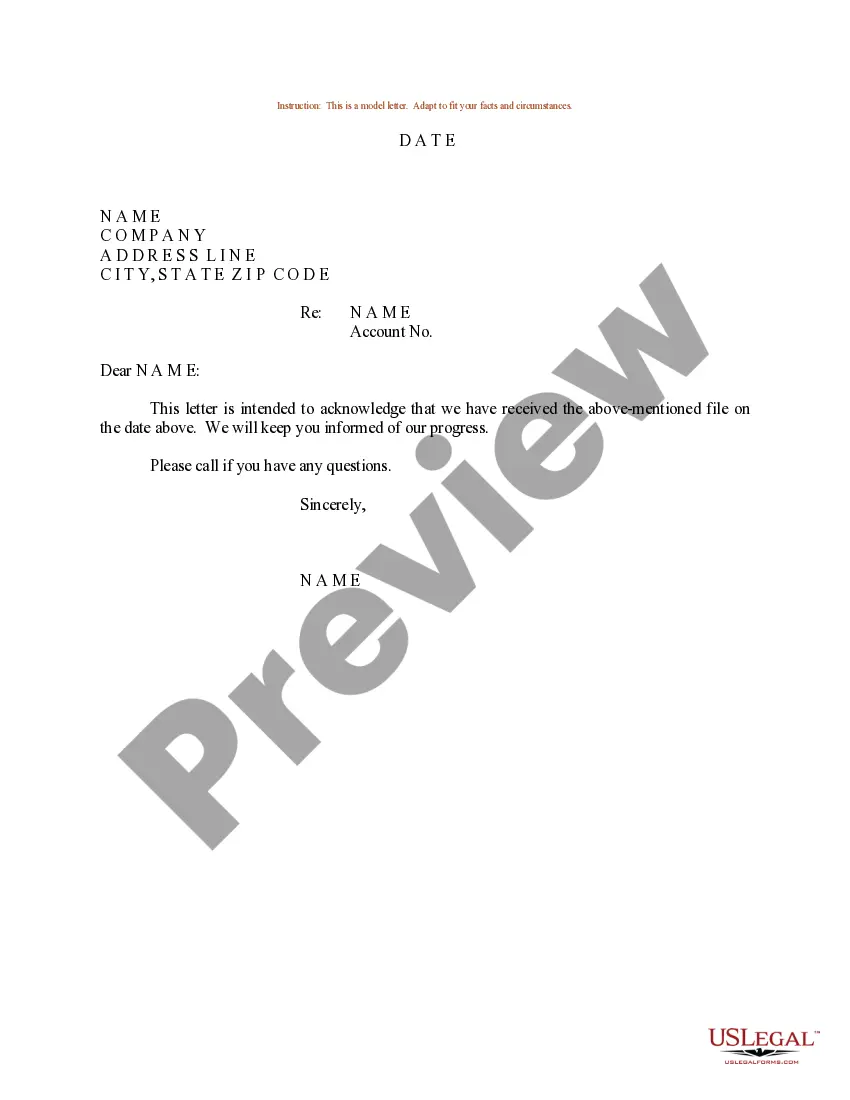
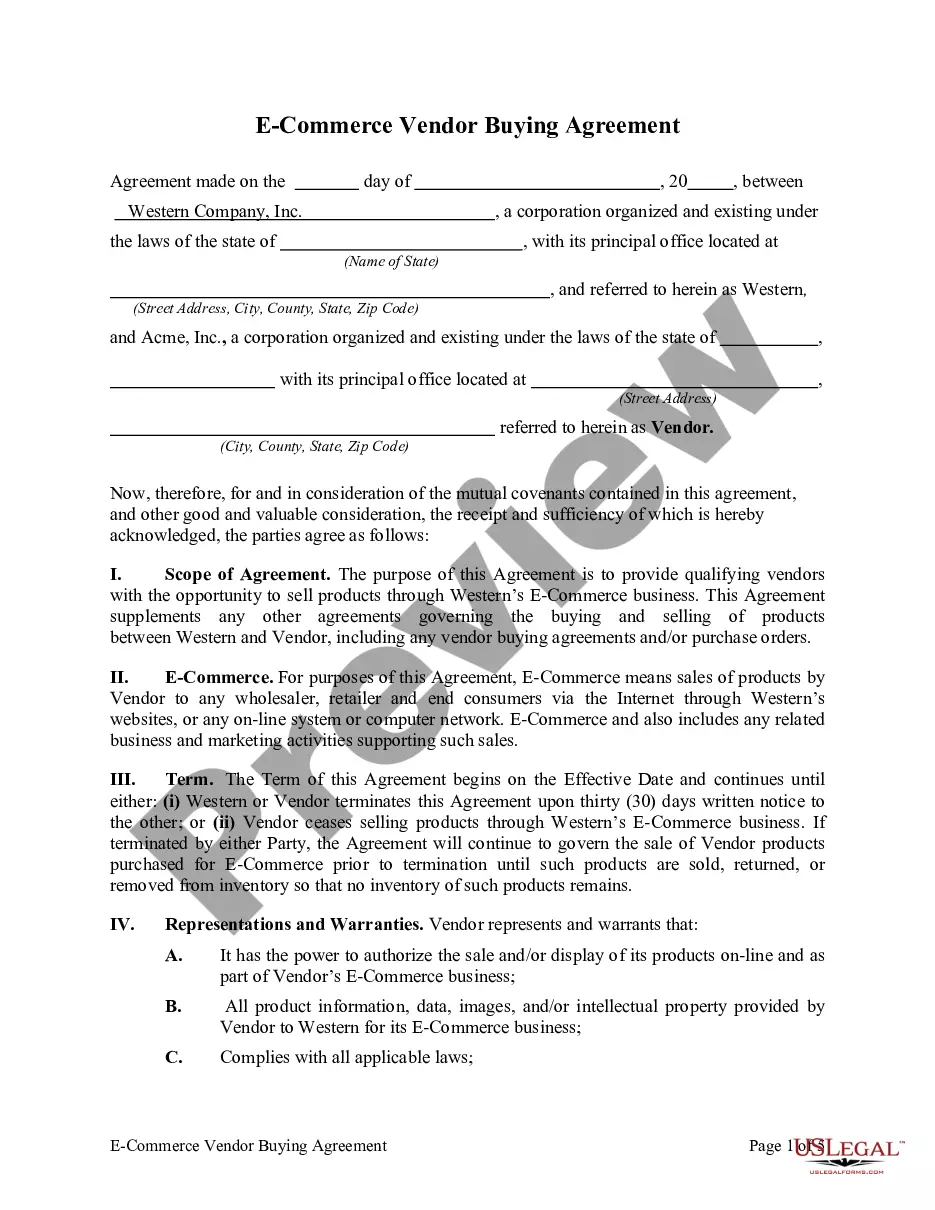
Get your form ready online
Our built-in tools help you complete, sign, share, and store your documents in one place.
Make edits, fill in missing information, and update formatting in US Legal Forms—just like you would in MS Word.
Download a copy, print it, send it by email, or mail it via USPS—whatever works best for your next step.
Sign and collect signatures with our SignNow integration. Send to multiple recipients, set reminders, and more. Go Premium to unlock E-Sign.
If this form requires notarization, complete it online through a secure video call—no need to meet a notary in person or wait for an appointment.
We protect your documents and personal data by following strict security and privacy standards.

Make edits, fill in missing information, and update formatting in US Legal Forms—just like you would in MS Word.

Download a copy, print it, send it by email, or mail it via USPS—whatever works best for your next step.

Sign and collect signatures with our SignNow integration. Send to multiple recipients, set reminders, and more. Go Premium to unlock E-Sign.

If this form requires notarization, complete it online through a secure video call—no need to meet a notary in person or wait for an appointment.

We protect your documents and personal data by following strict security and privacy standards.
Looking for another form?








Form popularity
FAQ
A Employment Letter is a signed document from applicant's employer, stating that the applicant is currently employed and specifying salary and length of employment. It is a common third-party document required by NVC or embassy when submitting affidavit of support as supporting evidence.
What should be included in employment verification letters? Employer address. Name and address of the company requesting verification. Employee name. Employment dates. Employee job title. Employee job description. Employee current salary. Reason for termination (If applicable)
An employment verification letter for immigration (EVL) is one way to satisfy proof of employment requirements that are needed for various U.S. visas. It is relatively easy to obtain from an employer that you are working for.
Employees should provide a certificate of employment which shoulf be on the company's letterhead with address, telephone number and all the company's data, employee's personal data, date of employment and date of end of employment, if relevant, position and monthly salary, salary slips for the last six months.
Employment-based work visas, in most cases, require the US employer to file the paperwork to sponsor the employee. A job offer is a prerequisite to that process and thus has no bearing on chances of approval. Nowadays, being qualified and being lucky are requirements to get a US work visa.
The purpose of a employment letter is to verify that the applicant is employed there and how much he or she make as stated in the form I-864.
With a B-1 visa, you will need an employment verification letter to confirm your job status with your employer abroad and to describe the activities you'll be participating in while in the United States.
Just call them and ask. It's your right to get the offer letter if they have already confirmed that you are selected.
A good Letter of Explanation (LoE) for a study permit application should be clear and concise and provide relevant information to support the applicant's case. It should have an introduction, a main body, and a closing. Use a formal tone and maintain appropriate formatting throughout the letter.
In the letter it should include the following components: Date of the letter written. Start date of employment. Employee's work status, whether full-time or part-time. Position in the company or title. Description of position/responsibilities. Wages earned (annual salary or hourly wage)

