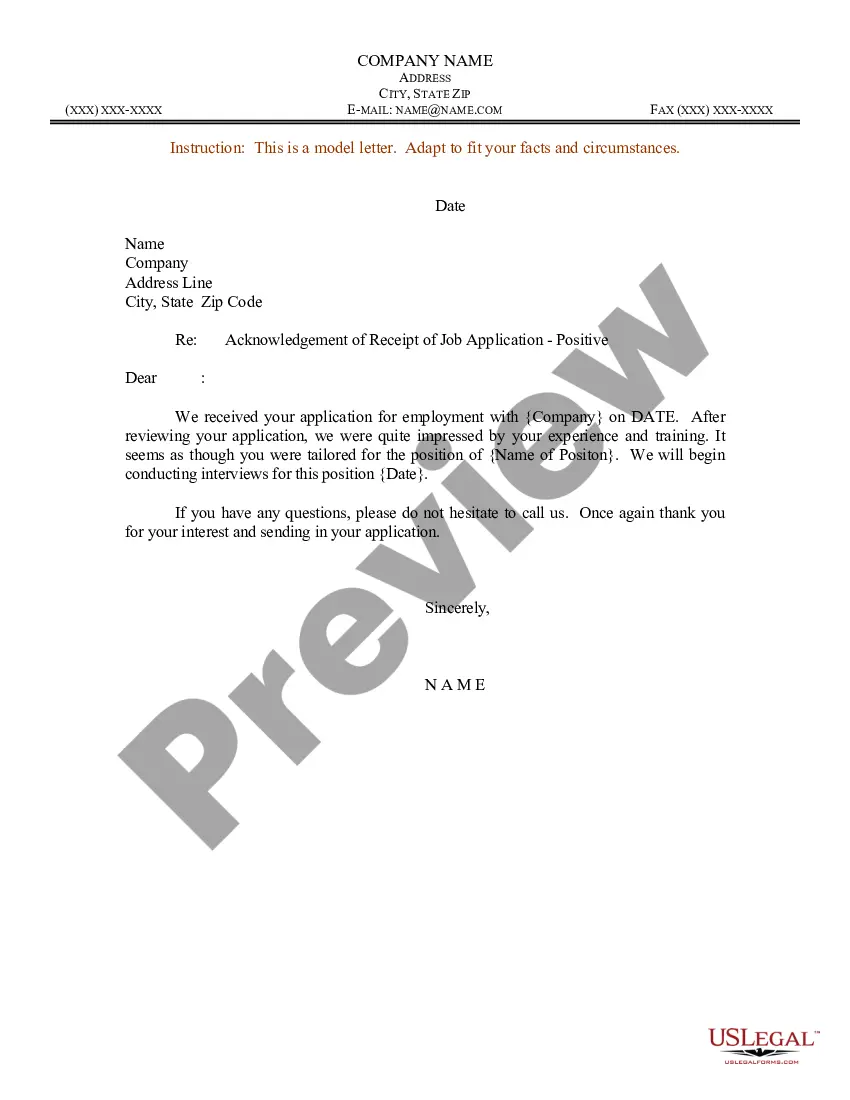
Application Employment Letter With No Experience In Ohio
Description


Get your form ready online
Our built-in tools help you complete, sign, share, and store your documents in one place.
Make edits, fill in missing information, and update formatting in US Legal Forms—just like you would in MS Word.
Download a copy, print it, send it by email, or mail it via USPS—whatever works best for your next step.
Sign and collect signatures with our SignNow integration. Send to multiple recipients, set reminders, and more. Go Premium to unlock E-Sign.
If this form requires notarization, complete it online through a secure video call—no need to meet a notary in person or wait for an appointment.
We protect your documents and personal data by following strict security and privacy standards.

Make edits, fill in missing information, and update formatting in US Legal Forms—just like you would in MS Word.

Download a copy, print it, send it by email, or mail it via USPS—whatever works best for your next step.

Sign and collect signatures with our SignNow integration. Send to multiple recipients, set reminders, and more. Go Premium to unlock E-Sign.

If this form requires notarization, complete it online through a secure video call—no need to meet a notary in person or wait for an appointment.

We protect your documents and personal data by following strict security and privacy standards.
Looking for another form?






Form popularity
FAQ
How to write a cover letter with no experience Carefully review the job posting and research the company's website. List your contact information at the top of the document. Greet the reader and introduce yourself. Explain your skills and achievements relevant to the position. Remind them why you're best for the position.
How to Write a Cover Letter With No Experience List your contact information. Include the hiring manager's contact details. Address the hiring manager by name. Write an attention-grabbing opening paragraph. Explain why you're the best fit for the role. Describe your relevant skills. Mention your top achievements.
If you don't have work experience, you don't need include that section on your resume. Instead, include education (formal and informal), projects, and volunteer experience. How are you qualified for what you are applying to? Make sure you tell that story on your resume.
How to write a letter of application (6 tips) Put your contact information in your letter of application header. Address the hiring manager. Grab the hiring manager's attention with your introduction. Highlight industry-specific skills (with numbers) in your body paragraphs. Choose engaging words for your application letter.
Cover Letter Example for a Job Application My name is Your name and through this letter I would like to apply for the position of Job position in Company name. Your recruitment has attracted my attention and I believe that my experience and prior knowledge would fit with the criteria you're looking for.
To write a cover letter with no experience, follow the steps below: Research the company. Address the recipient by name. Talk about why you want the job. Talk about why they should hire you. Conclude your cover letter. Proofread and assess your cover letter.
How to write an application letter Research the company and job opening. Use a professional format. State the position you're applying for. Explain why you're the best fit for the job. Summarize your qualifications. Mention why you want the job. Include a professional closing.
Here are six steps to help you write a strong entry-level cover letter: Address your letter professionally. Express your interest. Describe your specific knowledge and skills. End your letter with a call to action. Include a signature line. Proofread and check the length.
Express your passion for the work and desire to learn. For instance, you might say something like: “I'm eager to bring my energy and enthusiasm for social media strategy to your team.” Enthusiasm and the ability to quickly pick up new skills are valuable qualities that can make up for lack of direct experience.
How to write a cover letter with no experience Carefully review the job posting and research the company's website. List your contact information at the top of the document. Greet the reader and introduce yourself. Explain your skills and achievements relevant to the position. Remind them why you're best for the position.

