Application Employment Letter With Cv In Ohio
Description
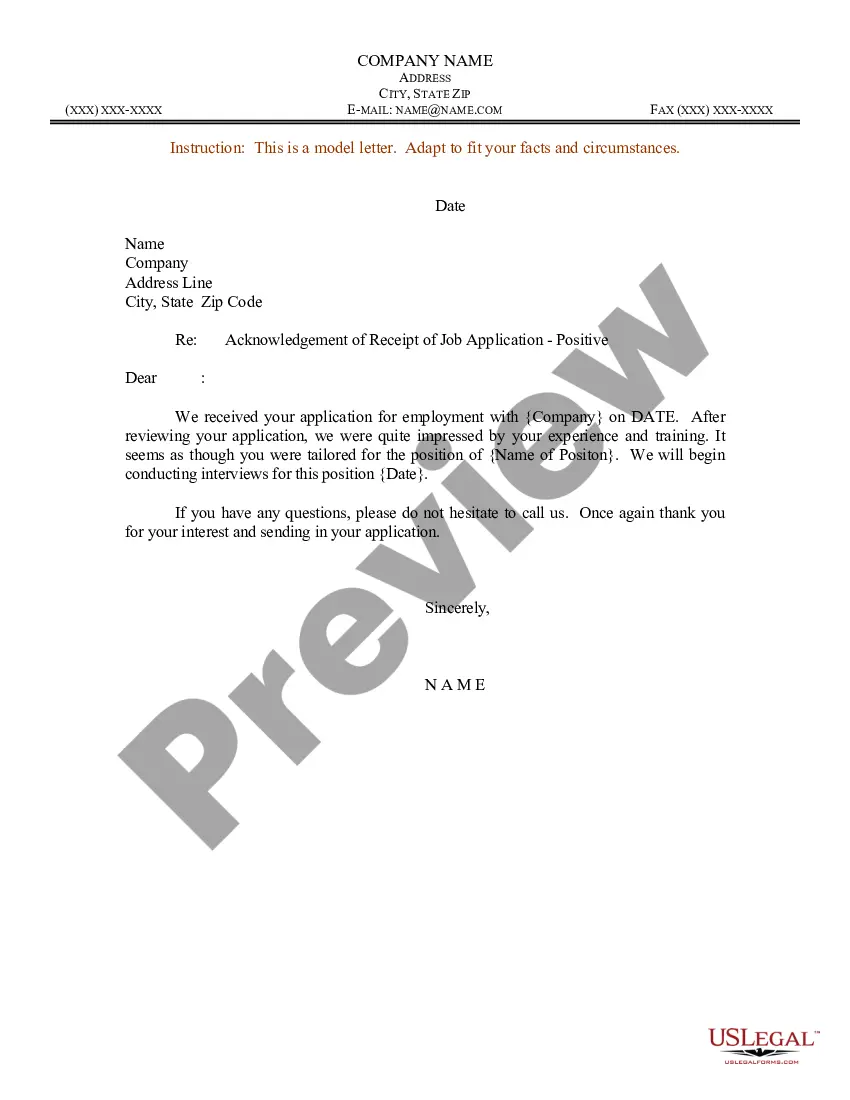


Get your form ready online
Our built-in tools help you complete, sign, share, and store your documents in one place.
Make edits, fill in missing information, and update formatting in US Legal Forms—just like you would in MS Word.
Download a copy, print it, send it by email, or mail it via USPS—whatever works best for your next step.
Sign and collect signatures with our SignNow integration. Send to multiple recipients, set reminders, and more. Go Premium to unlock E-Sign.
If this form requires notarization, complete it online through a secure video call—no need to meet a notary in person or wait for an appointment.
We protect your documents and personal data by following strict security and privacy standards.

Make edits, fill in missing information, and update formatting in US Legal Forms—just like you would in MS Word.

Download a copy, print it, send it by email, or mail it via USPS—whatever works best for your next step.

Sign and collect signatures with our SignNow integration. Send to multiple recipients, set reminders, and more. Go Premium to unlock E-Sign.

If this form requires notarization, complete it online through a secure video call—no need to meet a notary in person or wait for an appointment.

We protect your documents and personal data by following strict security and privacy standards.
Looking for another form?









Form popularity
FAQ
The best way to say it is simply. ``As requested (or promised), I have attached my resume.'' If you truly wish to sound both polite and formal, you may try this. ``As requested (or promised), please find attached my resume in (insert file format). Back in 'the dark ages,' that was often a real issue.
How to write an application letter Research the company and job opening. Use a professional format. State the position you're applying for. Explain why you're the best fit for the job. Summarize your qualifications. Mention why you want the job. Include a professional closing.
Follow these steps to combine your resume and cover letter into a single file: Determine which document to add first. Revise and review both documents. Open a new document. Insert each document into the new file. Create a page break. Confirm in an email. Use active verbs. Customize both parts of your application.
I have attached my CV with this letter, which contains further details you might be interested in. I shall give a call to your office next week for further clarification. I have also provided my contact details in the CV.
Here's a template of what to include when emailing a CV:Dear hiring manager's name, Sir/Madam or To Whom It May Concern,Please find my CV and cover letter attached for the role job title. If there's any additional information you need, please let me know. Thank you very much for your consideration.
A CV for an internship or work experience opportunity should clearly outline: your contact details. your education history. any work experience or part-time jobs. any active involvement in extracurricular activities, eg university societies, community groups such as Scouts, volunteering, Duke of Edinburgh and so on.
No, a CV does not include a cover letter. A curriculum vitae (CV) is a resume-like document that highlights your academic and professional experiences. The document itself doesn't include a cover letter, but like a resume, your CV should be paired with a cover letter for every job application you submit.
A greeting (such as Dear Hiring Manager or To whom it may concern) An introduction that states the position you're applying for and expresses your interest in the company. Body paragraphs that highlight your relevant skills and experience, and explain why you're a good fit for the role.
How to write an application letter Research the company and job opening. Use a professional format. State the position you're applying for. Explain why you're the best fit for the job. Summarize your qualifications. Mention why you want the job. Include a professional closing.
Heading: A job application letter should begin with both your and the employer's contact information (name, address, phone number, email), followed by the date. If this is an email rather than an actual letter, include your contact information at the end of the letter, after your signature.

